Why Are Aeroplanes Still Assembled by Hand? The Challenges of Automation in the Aviation Industry
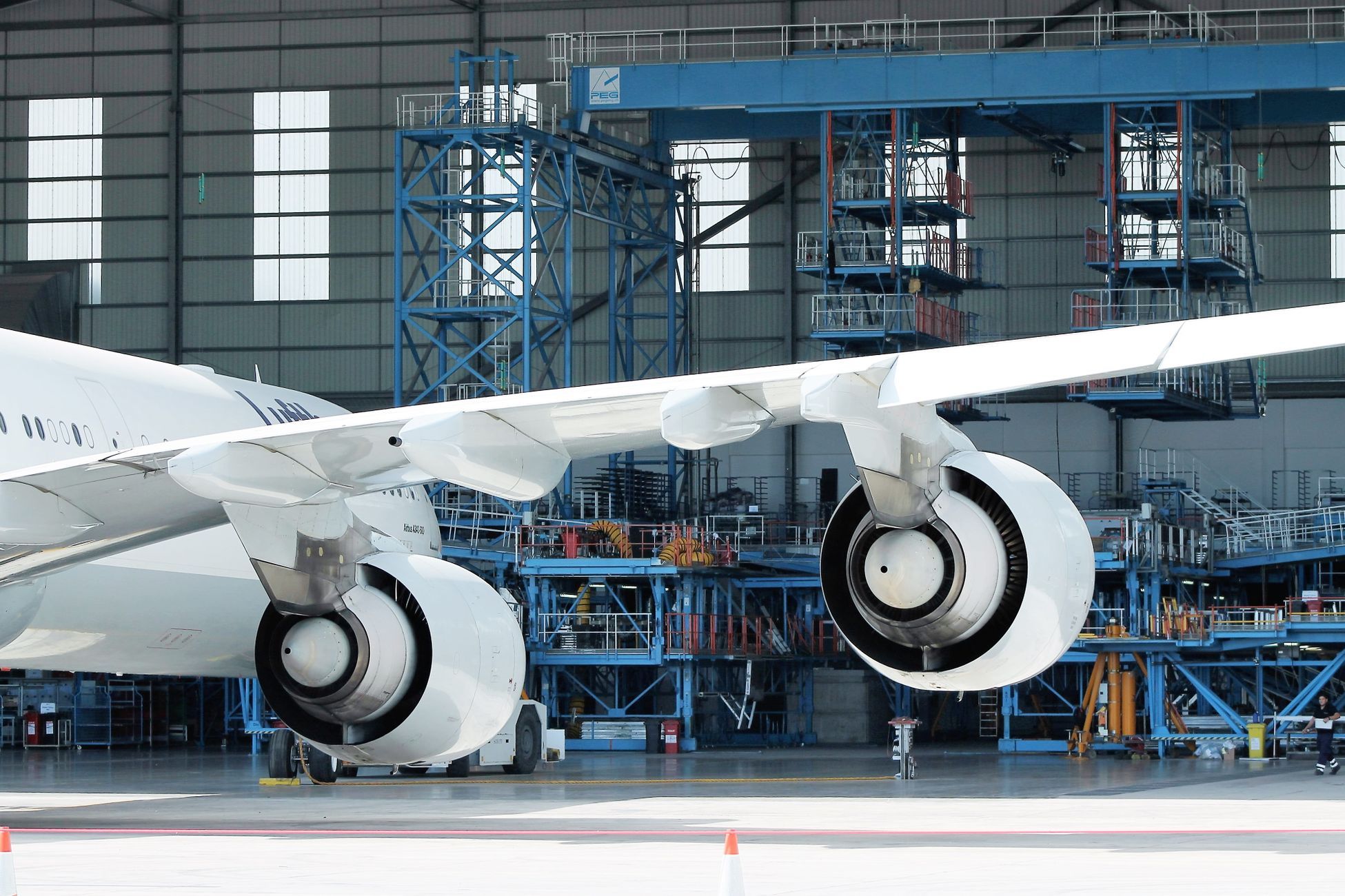
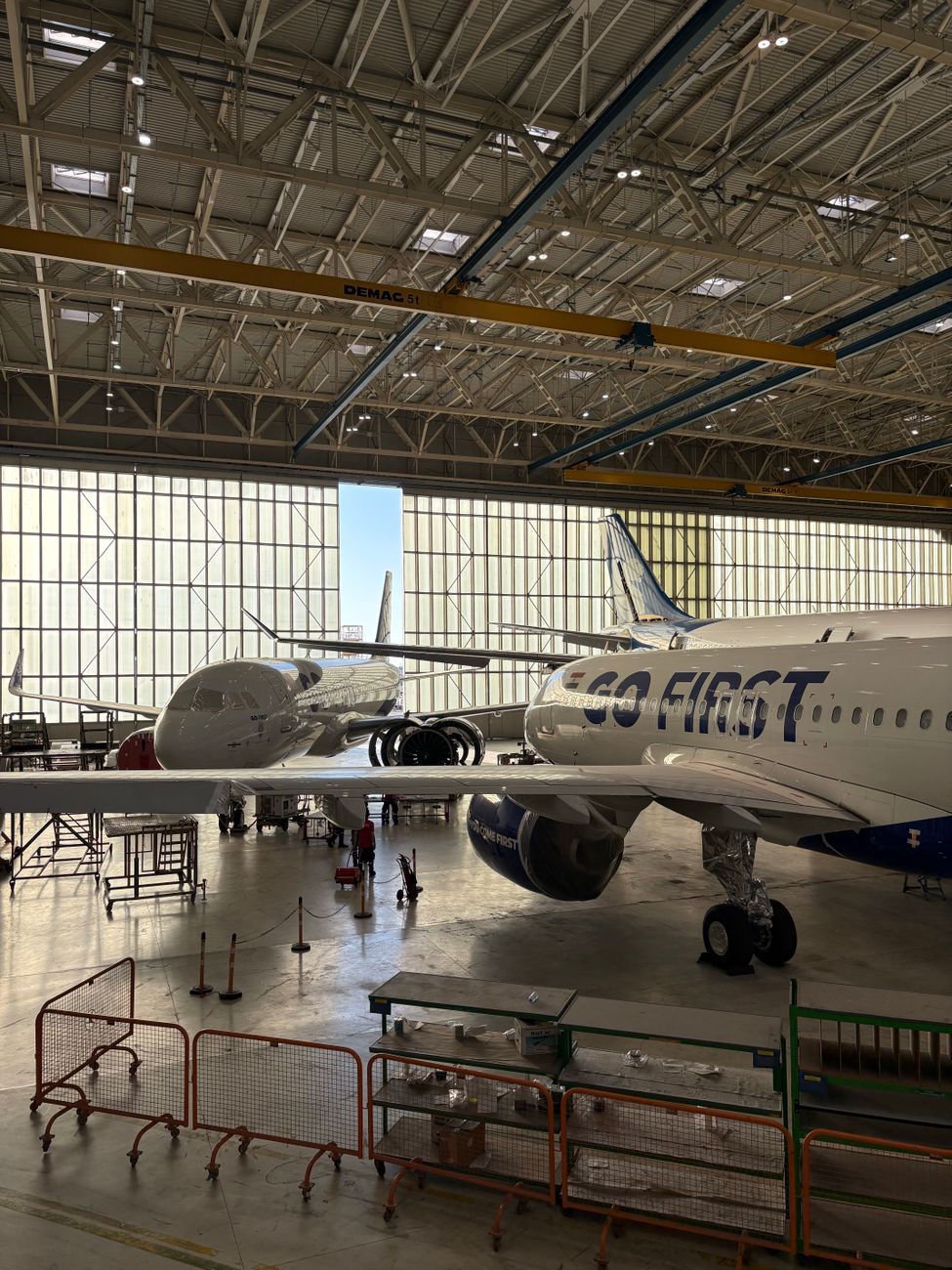
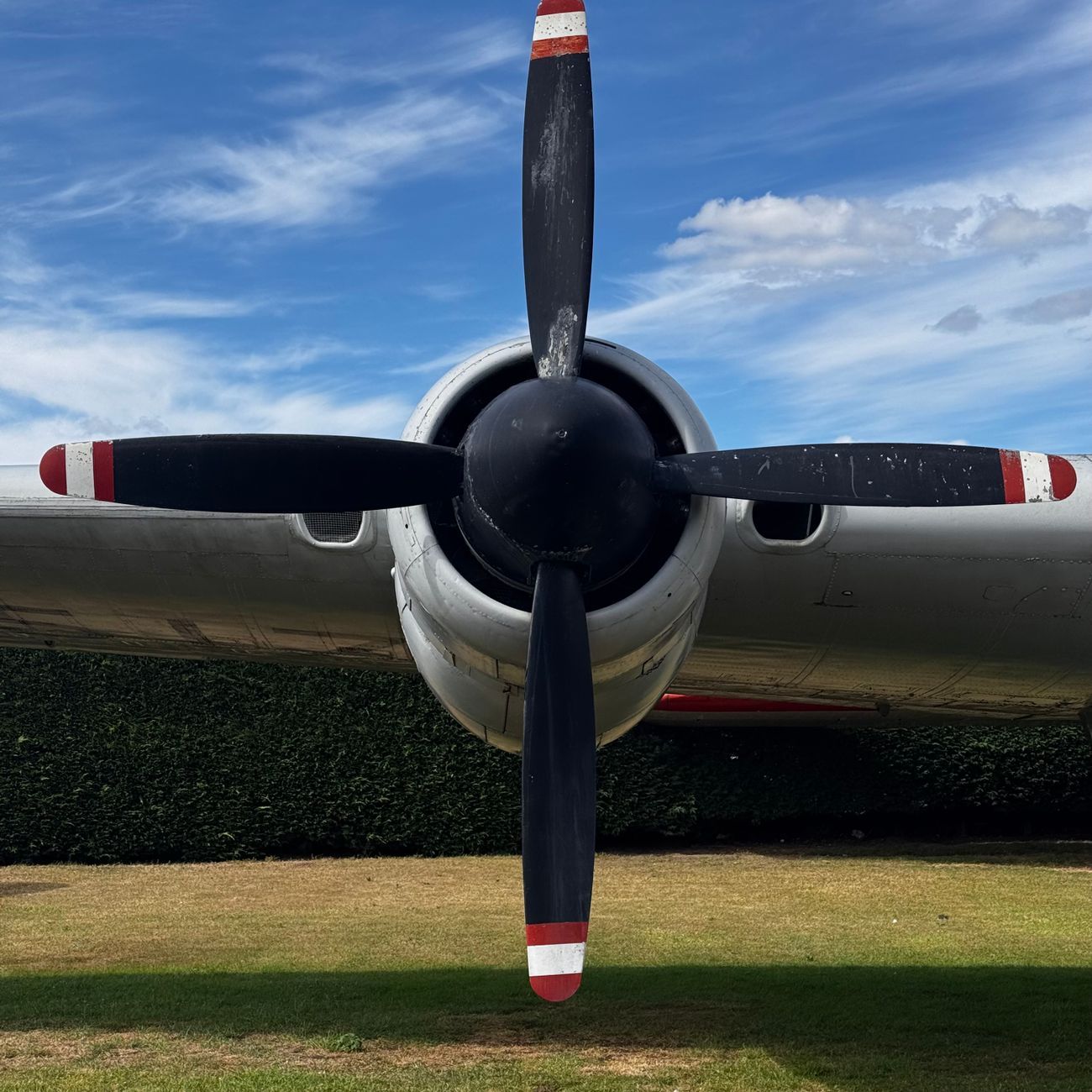
Modern factories build cars and electronics with extensive automation, so it may seem surprising that aeroplane manufacturing still depends heavily on people. The reality is not that aircraft makers have avoided technology: they use advanced machines, robots, and digital systems throughout production. But an aircraft is a complex, low-volume product whose structure, safety requirements, and sheer size make full automation difficult. The aircraft assembly process therefore combines precise machinery with skilled human work.
Every Aircraft Is a Complex Assembly
A commercial aeroplane contains millions of parts, many of them joined across large, curved structures. Fuselage sections, wings, wiring, pipes, insulation, and cabin systems must fit together within tight tolerances. A small mismatch can affect later installation or require costly rework. Unlike a car body moving through a highly standardised line, aeroplane structures vary by model, customer configuration, and production change.
That variety complicates aviation industry automation. A robot is most effective when it can repeat the same motion in the same position. Aircraft work often involves reaching into cramped spaces, routing flexible cables, fitting components around obstacles, or responding to slight differences between sections. People can adjust their approach in real time, use touch and sight to judge a fit, and solve unexpected problems without reprogramming a production cell.
Safety, Materials, and Economics
Aerospace engineering also imposes demanding inspection and documentation requirements. Fasteners, seals, and joints must meet approved specifications, and each critical operation may need to be recorded and verified. Automating a task does not remove that responsibility: manufacturers must prove that equipment performs reliably, detect errors, and preserve traceability. Developing, validating, and maintaining specialised automation can be expensive, especially when production volumes are far lower than in automotive manufacturing.
Aircraft are built from materials such as aluminium alloys and advanced composites, each requiring specific handling and joining methods. Drilling or fastening a composite panel, for example, calls for careful control to avoid hidden damage. Robots can perform these operations with remarkable consistency, but sensors and software must account for surface variation, tool wear, and positioning errors. In many cases, a trained technician remains essential for setup, inspection, and correction.
Where Automation Fits
Robotics in aviation is already valuable for repeatable, physically demanding, or hazardous tasks. Automated systems can drill rows of holes, apply sealant, move heavy sections, and inspect surfaces. Digital work instructions and tracking tools help workers follow the correct sequence and capture production data. These technologies improve consistency while allowing people to handle delicate integration and unusual conditions.
This balance reflects aircraft production challenges, not a lack of ambition. Fully automated factories would require flexible systems capable of handling many configurations, long components, restricted access, and strict quality controls. For many operations, a human-led station supported by smart tooling is currently more adaptable and economical than a robot-only solution.
The Future of Aerospace Manufacturing
Aeroplane manufacturing technology will continue to advance through better sensors, machine vision, artificial intelligence, and collaborative robots. As designs become more digital and processes more standardised, automated aircraft production may expand into tasks that are difficult to automate today. Still, people will remain central wherever judgement, dexterity, and accountability matter. The future of aerospace manufacturing is therefore less likely to be a choice between workers and machines than a carefully engineered partnership between them.