How Underwater Tunnels Are Built: Technologies Hidden Dozens of Metres Below the Surface
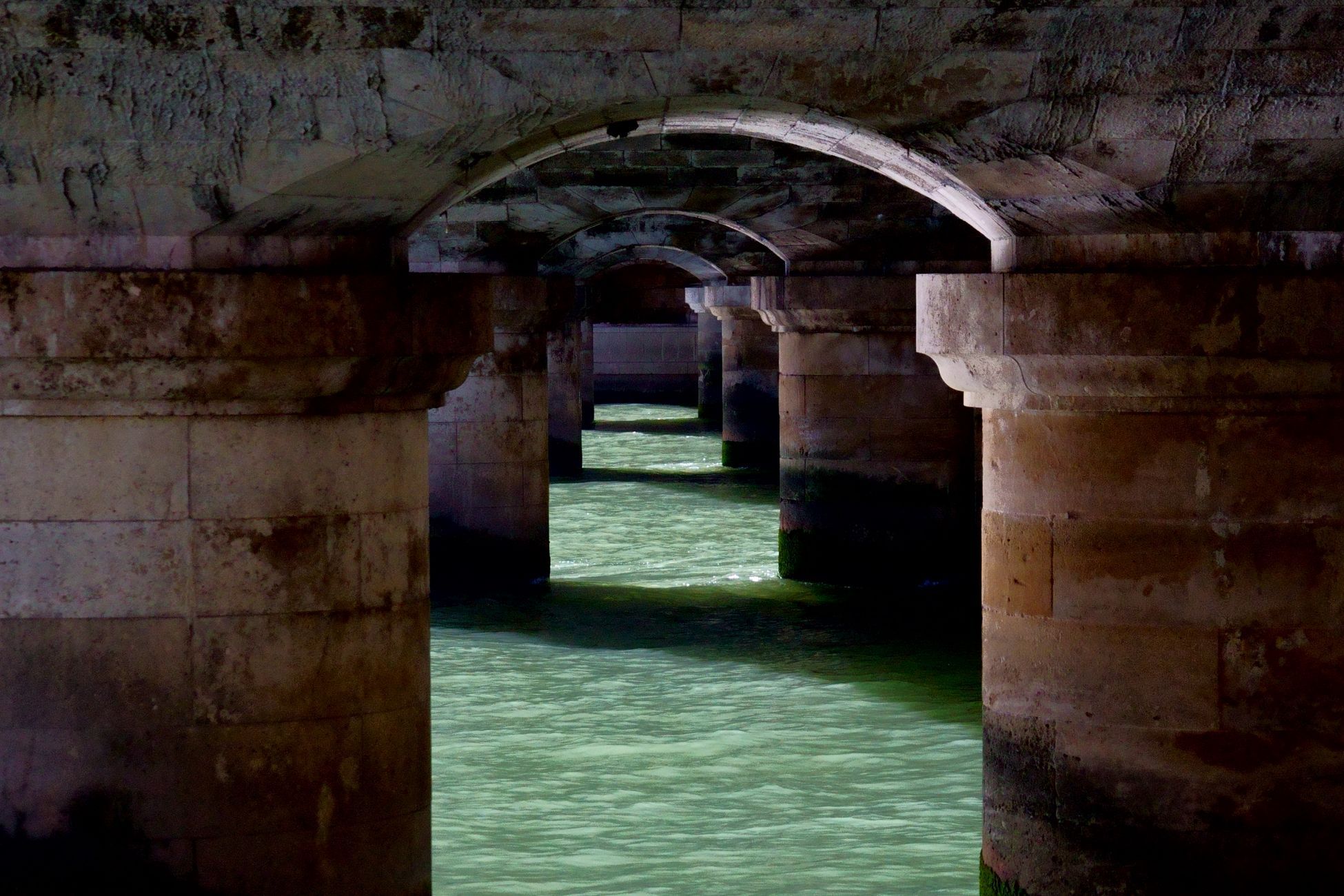
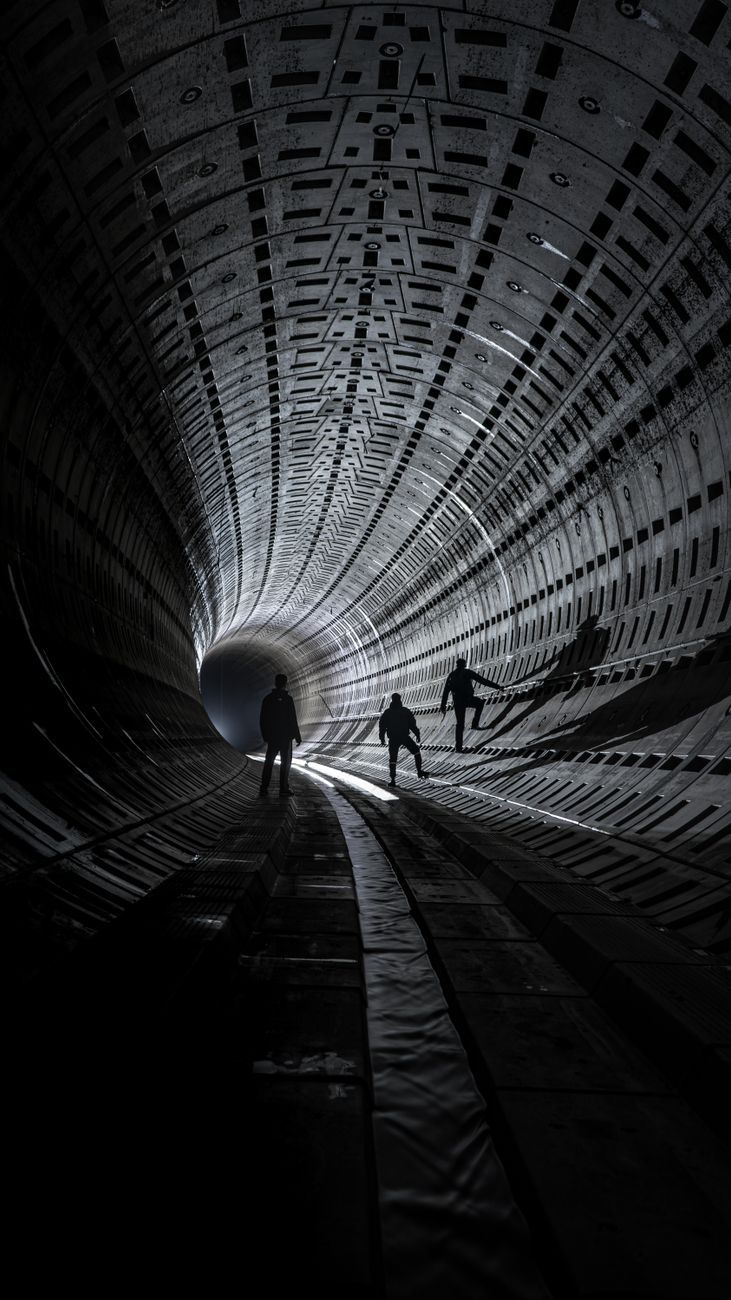

Underwater tunnels play a crucial role in ensuring efficient transportation and connectivity between cities separated by bodies of water. The construction of these marvels of engineering involves cutting-edge technologies and meticulous planning to create safe and durable passageways beneath the surface. From immersed tube tunnels to tunnel boring machines, the process of building underwater tunnels is a fascinating blend of innovation and precision.
One of the most common methods used in underwater tunnel construction is the immersed tube tunnel technique. This method involves creating large tunnel sections, known as "immersed tubes," in dry docks or casting yards. These sections are then floated to the tunnel site and carefully submerged into a prepared trench at the bottom of the water body. Once in place, the sections are joined together to form a continuous tunnel structure.
The use of tunnel boring machines (TBMs) is another popular approach to excavating underwater tunnels. These massive machines are capable of boring through various soil and rock conditions while simultaneously installing concrete tunnel linings. TBMs are especially well-suited for projects where traditional cut-and-cover methods are not feasible or practical, allowing for the construction of tunnels with minimal surface disruption.
Subsea engineering plays a critical role in the design and construction of underwater tunnels. Engineers must consider factors such as water pressure, wave action, and seabed stability when planning and executing tunnel projects. Advanced modelling and simulation techniques are used to predict and mitigate potential challenges during construction, ensuring the long-term safety and performance of the tunnel structure.
From the initial site investigation to the final inspection, every step of underwater tunnel construction requires a high level of expertise and attention to detail. Civil engineers, geologists, marine biologists, and other professionals work together to overcome the unique challenges posed by underground construction in marine environments.
The development of tunnel technology has significantly advanced the field of underwater excavation and marine infrastructure development. Innovations in materials, construction methods, and monitoring systems have improved the efficiency and reliability of underwater tunnel projects around the world.
As urban centres continue to grow and expand, the demand for efficient transportation systems will drive the need for more underground infrastructure, including underwater tunnels. By leveraging the latest advancements in tunnel construction and subsea engineering, cities can enhance their connectivity and accessibility while minimising environmental impact.
In conclusion, the construction of underwater tunnels is a complex and dynamic process that requires a combination of technical expertise, innovation, and collaboration. As engineers and builders push the boundaries of what is possible in underground construction, the future of tunnel technology looks promising, with even more ambitious projects on the horizon.