How Do Camels Survive in the Desert Without Water? Secrets of Extreme Adaptation
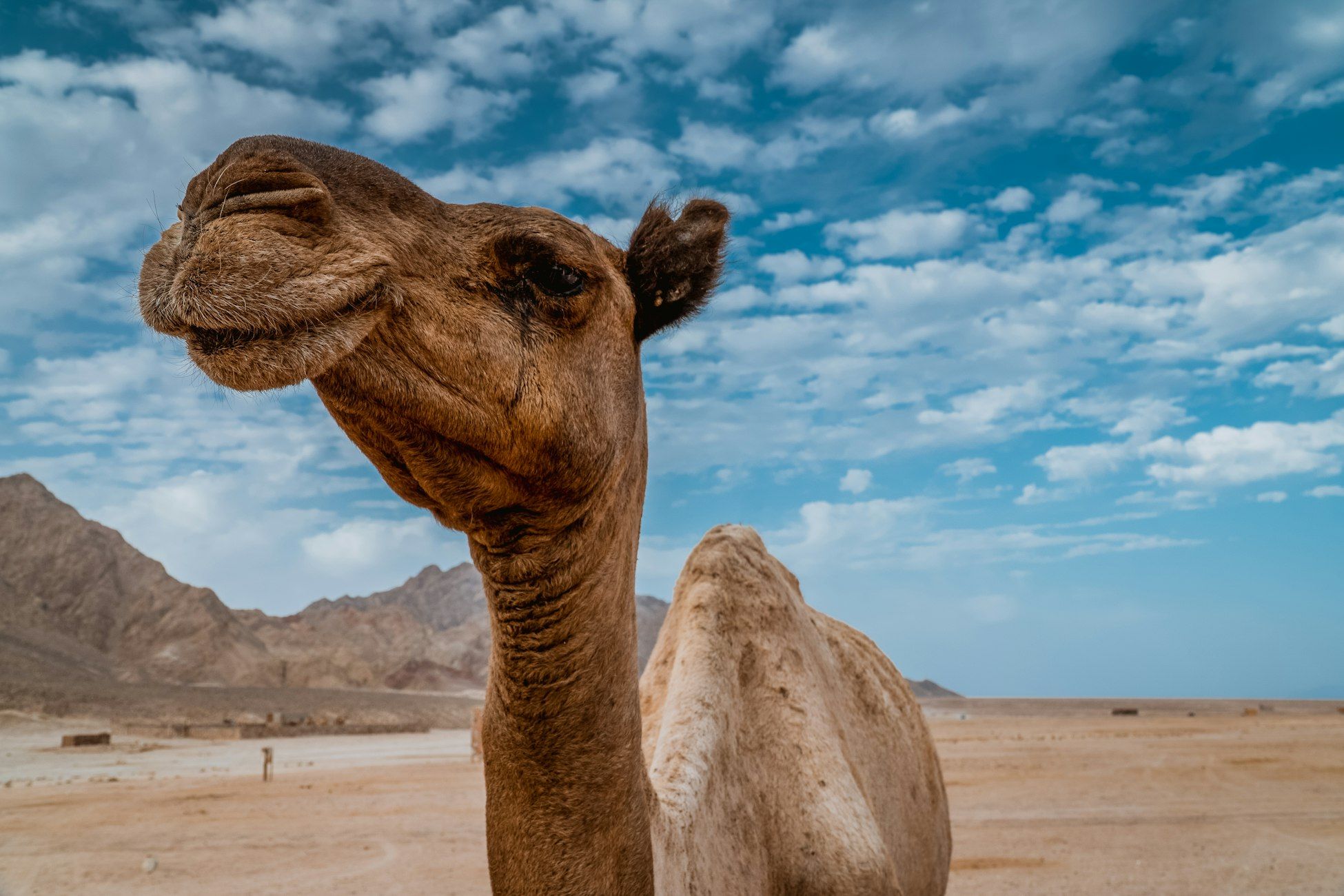
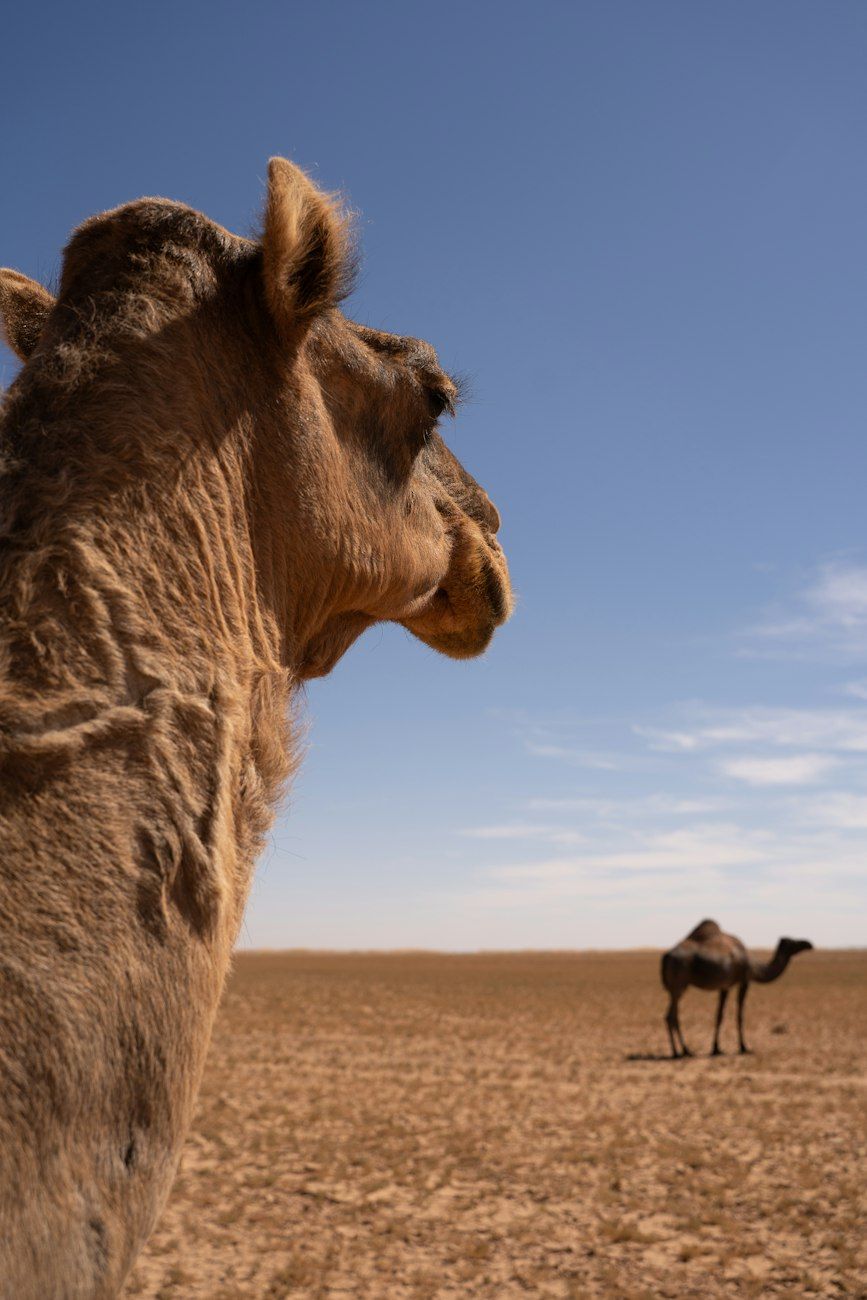
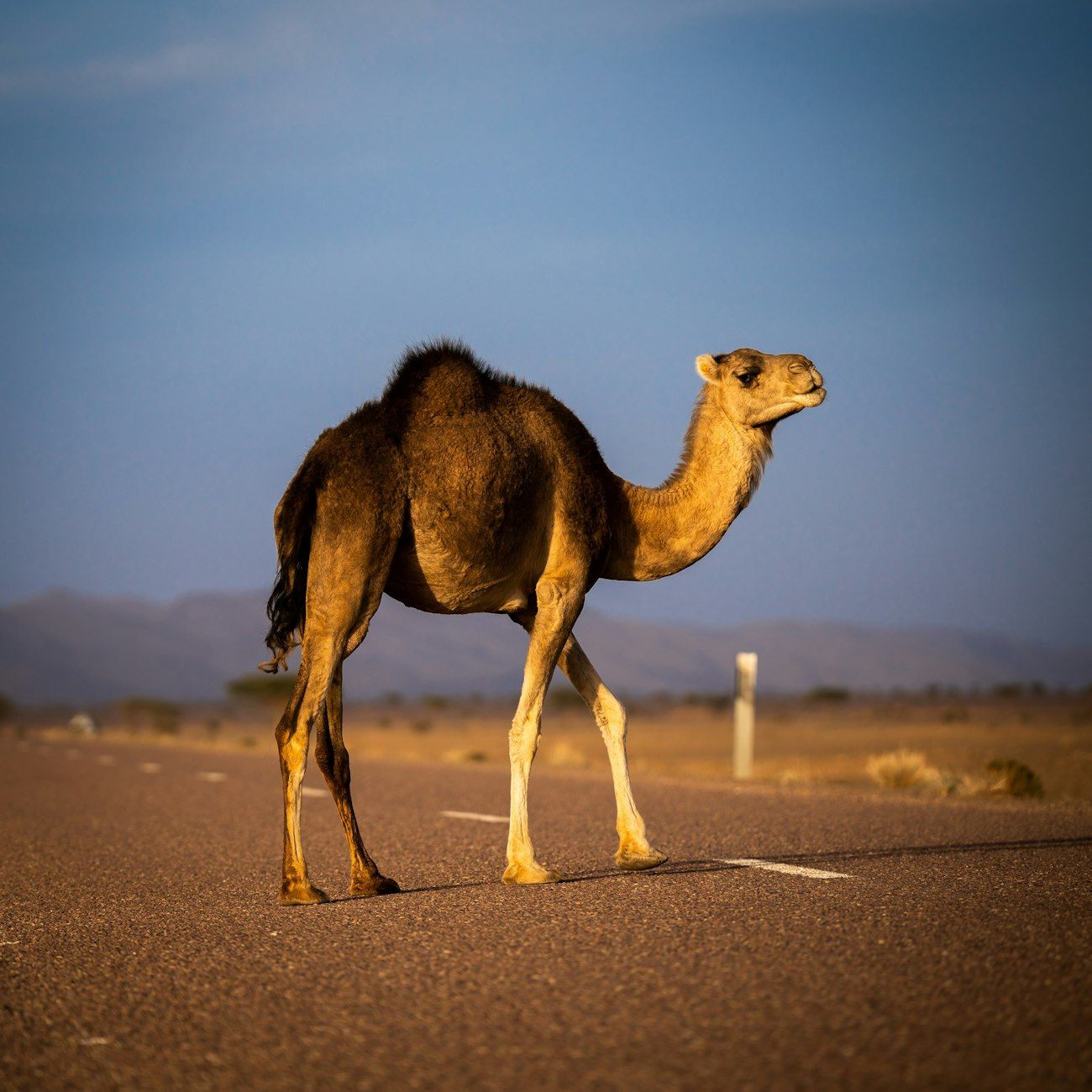
Camels are known for their remarkable ability to survive in the harsh desert environment without readily available water. These majestic creatures have perfected the art of desert survival through a range of incredible adaptations that allow them to thrive in extreme heat and arid conditions. Understanding the secrets behind camel adaptation can offer insights into the fascinating world of desert animals and their remarkable abilities.
One of the most iconic features of camels is their humps, which play a crucial role in their ability to survive in the desert. Contrary to popular belief, camel humps are not used to store water. Instead, these fatty deposits serve as a source of energy when food is scarce. By metabolising the fat stored in their humps, camels can sustain themselves during long periods without food, helping them survive in the unforgiving desert landscape.
In addition to their humps, camels have developed unique mechanisms for conserving water and resisting dehydration. Unlike other mammals, camels have oval-shaped red blood cells that enable them to maintain normal blood circulation even when severely dehydrated. This adaptation allows camels to endure extreme water loss without suffering from the negative effects of dehydration that would be fatal to most animals.
Camels are also able to regulate their body temperature efficiently, preventing excessive water loss through sweating. When the temperature rises in the desert, camels can raise their body temperature without breaking a sweat, conserving precious water reserves in the process. This ability to withstand extreme heat while minimising water loss is a crucial factor in camel survival in arid environments.
Contrary to popular myths, camels do not store water in their humps. Instead, these remarkable creatures are incredibly efficient at extracting and retaining moisture from the food they eat. Camels have a specialised kidney structure that allows them to reabsorb water from their urine, resulting in highly concentrated waste products. This water-conserving mechanism helps camels maintain their hydration levels even in the driest of conditions.
Camel physiology is a marvel of evolution, perfectly suited to the challenges of desert life. By understanding the adaptations that enable camels to survive in the harshest environments on Earth, we gain a deeper appreciation for the diversity and resilience of desert animals. From their humps to their unique blood cells and water-conserving mechanisms, camels have evolved a suite of survival strategies that make them true masters of desert survival.
Next time you marvel at the sight of a camel trekking through the desert, take a moment to appreciate the incredible adaptations that enable these animals to thrive where most others would perish. The secrets of camel adaptation reveal the ingenuity of evolution and the power of nature to overcome even the most extreme challenges.