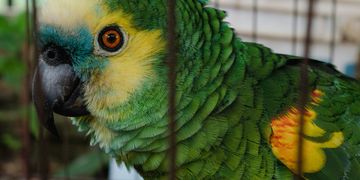
How Do Animals Sense Earthquakes and Other Natural Disasters Before They Happen?
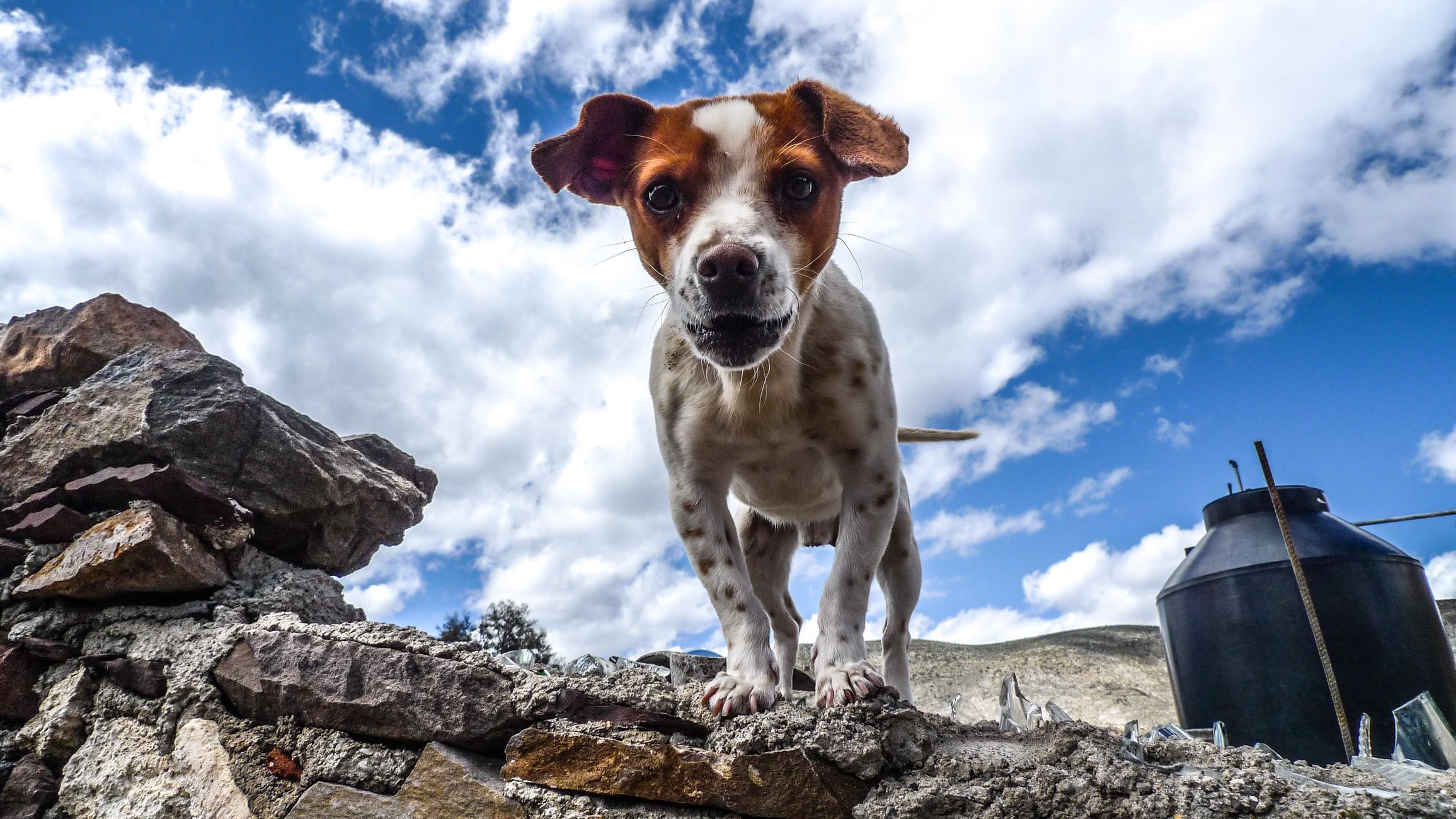

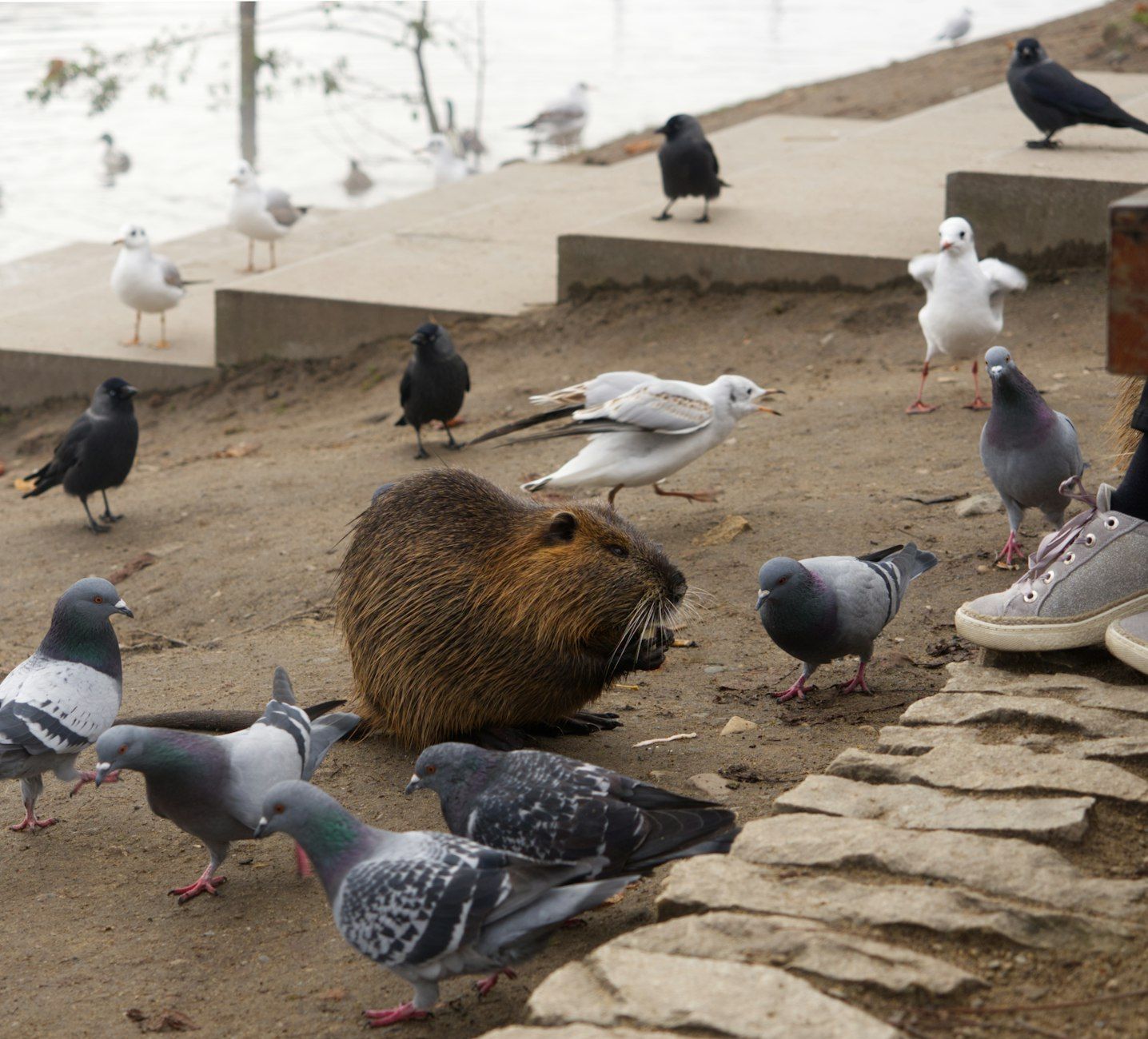
Stories of dogs barking, birds fleeing, or farm animals acting strangely before an earthquake have circulated for centuries. Such accounts raise a compelling question: can animals really anticipate disasters? Research suggests that some creatures detect environmental changes humans miss, but reliable animal earthquake prediction remains unproven. An unusual reaction may be a response to a subtle cue—not a forecast of what is coming.
What might animals detect?
Earthquakes begin underground, where shifting rock produces seismic waves. The fastest, weaker P-waves arrive before the stronger shaking caused by S-waves and surface waves. People and animals close to a quake’s origin may feel those first vibrations and react seconds before intense shaking reaches them. This is early detection, not prediction: the earthquake has already started.
Animals also have sensory abilities that differ from ours. Dogs hear higher-pitched sounds, while many species are sensitive to ground vibration, smell, pressure, or changes in their surroundings. These abilities may help explain reports of animal behaviour before earthquakes. Yet observations are difficult to interpret. A pet may respond to traffic, construction, weather, or a household disturbance, and people may remember odd behaviour more readily after a disaster.
Evidence beyond earthquakes
Animals sensing natural disasters may be more plausible when a hazard produces cues that are already present. Before a tsunami reaches shore, for example, an earthquake may cause strong shaking or the sea may suddenly retreat. Animals that notice those immediate warning signs could move away. That does not mean they foresee the wave; they may be responding to the same signals people can learn to recognise.
Storms and floods can also bring detectable changes, including shifts in wind, air pressure, water levels, sound, or scent. Some animals alter feeding, shelter, or movement as conditions change. These responses can look like wildlife disaster detection, but they are not dependable enough to replace forecasts, alerts, or evacuation instructions.
Separating instinct from evidence
Animal instincts and keen senses can help wildlife respond to danger, but claims of natural disaster prediction need careful testing. Scientists would need to record behaviour consistently before events, compare it with ordinary days, and rule out other causes. Studies and anecdotes have not established a repeatable signal that reliably predicts when or where an earthquake will strike.
Researchers continue to investigate animals and seismic activity, including whether changes in movement or communication appear before quakes. For now, earthquake warning signs should come from official monitoring systems, not a pet’s restlessness. Unusual animal behaviour can be worth noting, but it is not proof of an approaching disaster.
Animals’ sensory abilities are remarkable, and observing them can prompt useful scientific questions. The safest approach is to appreciate possible clues without treating them as alarms: keep emergency supplies ready, follow local alerts, and protect pets and livestock when authorities advise action.