Walking 10,000 Steps a Day: Does It Really Help You Stay Fit?
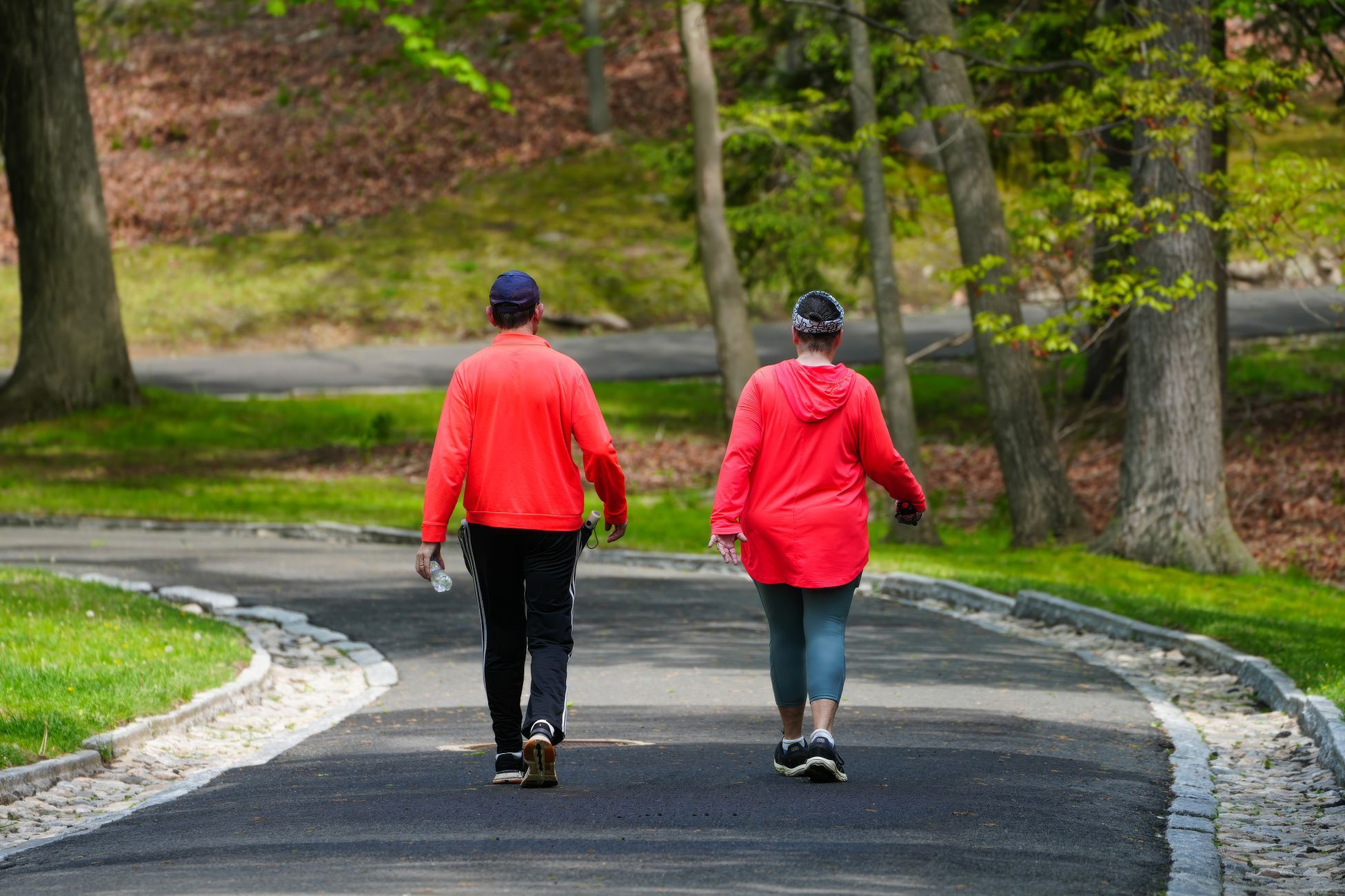


For many people, 10,000 steps has become the number that defines an active day. Fitness trackers display it, workplace challenges celebrate it, and health advice often presents it as a simple daily target. But is 10,000 steps a day necessary to stay fit, or is the number more of a motivational benchmark than a medical rule?
The short answer is that walking regularly can support fitness and overall health, but 10,000 steps is not a magic threshold. The value of a daily step goal depends on your current activity level, walking pace, health, and consistency. For someone who usually spends much of the day sitting, adding even a modest amount of walking can be meaningful. For someone already active, the same step count may be less important than incorporating a challenging pace, strength training, or other forms of physical activity.
Where Did the 10,000-Step Goal Come From?
The popular target did not begin as a universal clinical recommendation. It became widely known through marketing for a Japanese pedometer in the 1960s, whose name was associated with the idea of 10,000 steps. The round number was memorable and easy to track, so it caught on. Over time, it became a convenient way to encourage people to move more, even though research does not establish one exact step count as the right goal for every person.
That distinction matters. A step counter can be a useful tool, but its number should not be mistaken for a complete measure of health. It does not automatically tell you how fast you walked, how much effort you put in, or whether you also do activities that build strength and balance. Step count goals work best as practical prompts—not as strict pass-or-fail judgements.
Daily Walking Benefits Add Up
Walking is accessible, inexpensive, and easy to adapt to different schedules and fitness levels. A brisk walk can raise your heart rate, use energy, and challenge your muscles without requiring specialised equipment. Regular walking can also help people spend less time sitting, which is important for anyone whose work or routine involves long periods at a desk.
The health benefits of walking may include support for cardiovascular fitness, blood pressure, blood sugar regulation, mobility, and mood. Walking outdoors can provide a change of scenery and a mental break, while walking with a friend may make exercise more enjoyable and social. The effects vary from person to person, and walking is not a substitute for medical care, but it can be a practical part of a health-supporting routine.
Consistency is one of its greatest advantages. An activity that fits into everyday life is often easier to maintain than an ambitious plan that demands a gym visit or a long block of free time. A short walk after lunch, a trip on foot to a nearby errand, or a few movement breaks during the day can all contribute to your total.
Does 10,000 Steps Improve Fitness?
It can, particularly if reaching the goal means moving more than you used to. Walking for fitness works by giving your body repeated opportunities to move and gradually adapt. Over time, you may find that a familiar route feels easier, that you can walk farther, or that you recover more quickly after a brisk stretch.
However, the number alone does not guarantee a fitness benefit. Ten thousand very leisurely steps spread across a day may provide a different challenge from a shorter walk performed at a purposeful pace. Both can be valuable, but if your aim is to improve cardiovascular endurance, including periods of brisk walking can make your routine more challenging. A brisk pace generally means you can talk, but singing would feel difficult. Your appropriate effort will depend on your health and fitness.
Walking also has limits as a complete fitness programme. It primarily trains the body for walking and does not provide all the benefits of muscle-strengthening exercise. Many adults can benefit from combining aerobic activity with strength work that targets major muscle groups, as well as activities that support balance and flexibility. Walking can be the foundation of a routine without needing to be the only part of it.
Walking and Weight Loss: What to Expect
Walking and weight loss are related, but walking does not guarantee weight loss on its own. A walk uses energy, and increasing daily movement can contribute to a calorie deficit when paired with an eating pattern that supports your goals. The amount of energy used varies with factors such as body size, pace, terrain, duration, and individual differences.
It is also possible to become more active without seeing immediate changes on the scale. Appetite, food intake, sleep, stress, medications, and other aspects of health can influence body weight. For some people, the most meaningful results may be improved stamina, easier movement, better mood, or stronger daily habits rather than a particular number on a scale.
If weight management is your goal, think of walking as one useful component of a broader approach. A sustainable routine, balanced nutrition, adequate recovery, and realistic expectations are generally more helpful than trying to make up for everything with a large step target. For personalised advice—especially if you have a medical condition or a history of disordered eating—consider speaking with a qualified health professional.
Choose a Step Count Goal That Fits You
A sensible starting point is your current average. Track your steps for several ordinary days, including both workdays and days off, and use that information to understand your baseline. If 10,000 steps already feels routine, it may be a reasonable target. If you average much less, aiming for that number immediately could feel discouraging or place too much strain on your feet, joints, or schedule.
Instead, increase gradually. You might add a short walk most days or raise your usual average by a manageable amount, then reassess how you feel. There is no single increase that suits everyone. A gradual approach gives you a chance to build confidence, notice discomfort early, and create a routine that can last. Rest or easier days are appropriate when you need them.
Consider setting goals beyond a daily total. For example, you could aim to walk during a lunch break, take a few brisk walks each week, or stand and move briefly during long periods of sitting. These goals can be more meaningful than chasing a number on days when illness, weather, disability, caregiving, or work makes a high count unrealistic.
Make a Daily Step Challenge Enjoyable
A daily step challenge can provide structure and motivation, especially when shared with family, friends, or coworkers. To keep it encouraging rather than stressful, choose a goal that can be adjusted. A challenge should help you develop a habit, not make you feel guilty for missing a target or push you to ignore pain.
- Build walking into existing routines: Walk part of your commute, take the stairs when comfortable, or pace during a phone call.
- Break it into smaller sessions: Several short walks can be easier to schedule than one long outing.
- Vary your route: Parks, quiet streets, indoor corridors, and gentle trails can make walking feel less repetitive.
- Invite company: A walking partner can add conversation and help you stay consistent.
- Track how you feel: Notice energy, mood, comfort, and stamina as well as the number displayed on a device.
Wear comfortable shoes suited to your route, and pay attention to weather, visibility, and traffic. If you are new to regular exercise, have a chronic condition, or are returning after an injury, start at a level that feels manageable. Persistent pain, dizziness, chest discomfort, or unusual shortness of breath are reasons to stop and seek appropriate medical guidance.
Walking for Heart Health and Everyday Well-Being
Walking for heart health is most useful when it is regular and appropriately challenging. A steady routine can help improve aerobic capacity over time, while brisk intervals may provide a more vigorous stimulus for people who are ready for them. You do not have to walk fast every time: comfortable walks can still add movement and provide an active break from sitting.
People with heart or lung conditions, significant mobility limitations, or other health concerns may need a personalised activity plan. In those cases, a clinician can help identify a safe starting point and any symptoms that require attention. For many others, beginning with short, comfortable walks and building gradually is a practical way to make physical activity part of the day.
The Bottom Line
Walking 10,000 steps a day can be a useful goal if it encourages you to move more and suits your circumstances. But it is not a required threshold for fitness, and missing it does not erase the value of the steps you did take. The daily walking benefits come from building a consistent pattern of movement, choosing an effort that fits your abilities, and finding ways to keep the habit enjoyable.
Rather than treating 10,000 as a universal rule, use step count goals as flexible guides. Start from your own baseline, increase at a comfortable pace, and consider combining walking with brisk efforts and other forms of exercise. Staying fit through walking is less about reaching a perfect number every day and more about making regular movement a sustainable part of your life.