Foam Roller After a Workout: How to Choose the Right Firmness and Size
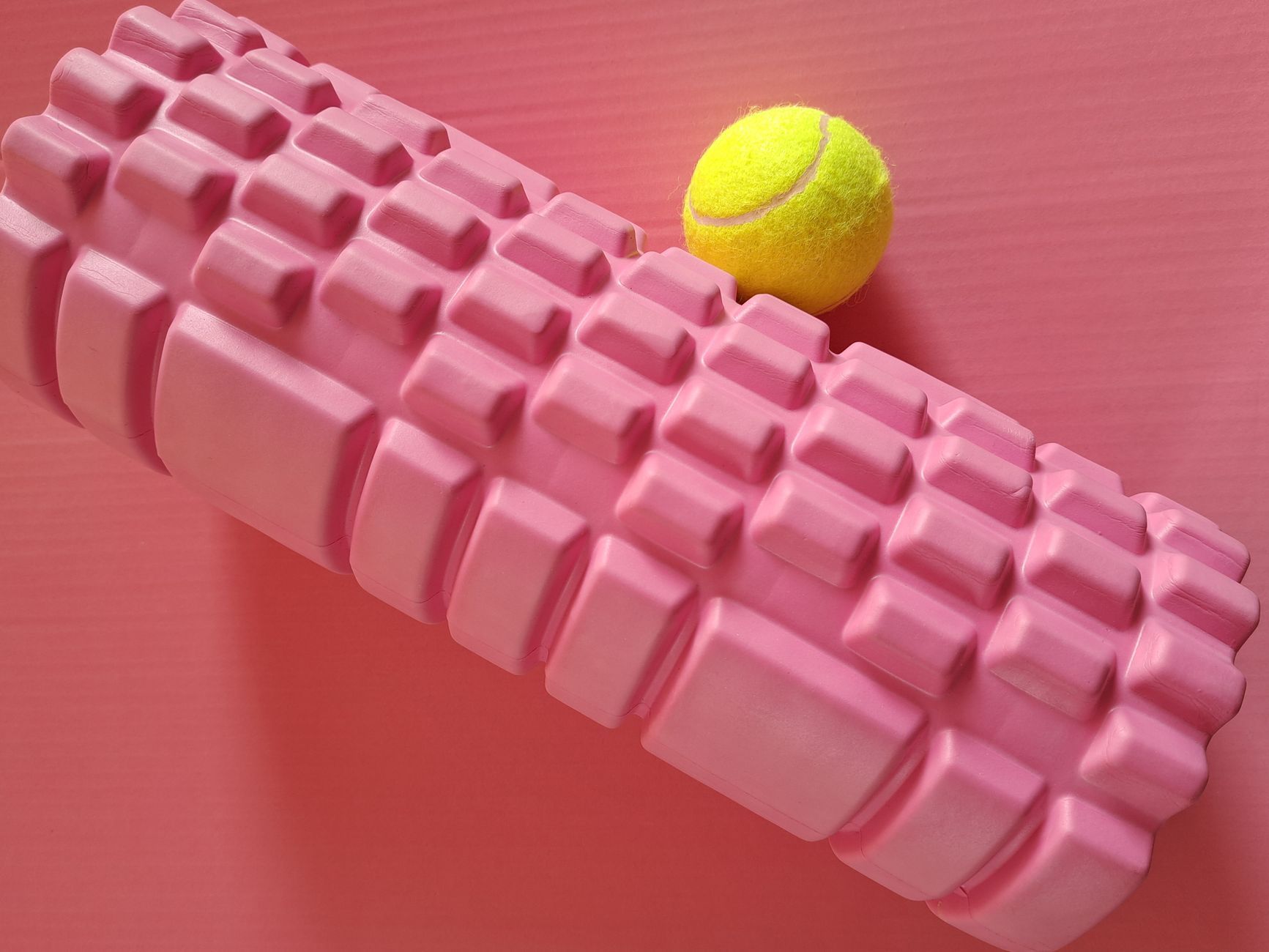
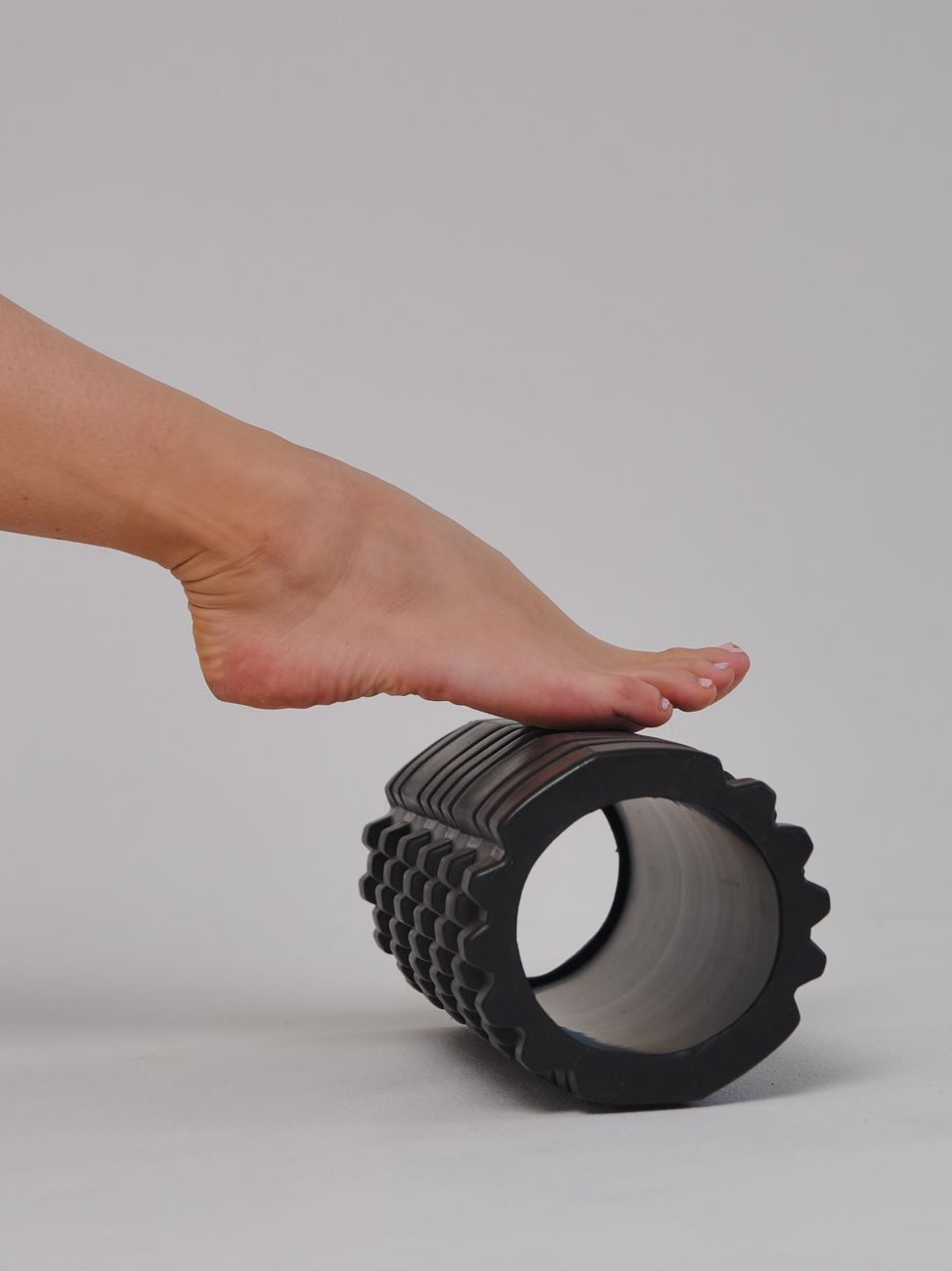
Engaging in regular physical activity is important for maintaining a healthy lifestyle, but it’s equally crucial to pay attention to post-workout recovery. Foam rolling has become a popular practice among fitness enthusiasts to aid in muscle recovery and release tension. If you’re new to foam rolling or looking to upgrade your current roller, understanding the factors that determine the right firmness and size can enhance the effectiveness of your recovery routine.
Foam rollers are versatile fitness tools designed to target specific muscle groups through myofascial release. This self-massage technique helps alleviate muscle soreness, improve flexibility, and reduce muscle tension. When it comes to choosing a foam roller, two key aspects to consider are firmness and size.
Foam Roller Firmness:
Foam rollers come in varying levels of firmness, ranging from soft to firm. The firmness of a roller is determined by its density, which affects the intensity of the massage. A softer roller provides a gentler experience, making it suitable for beginners or individuals with lower pain tolerance. On the other hand, a firmer roller offers deeper tissue penetration and is preferred by athletes and those accustomed to foam rolling.
Selecting the right firmness depends on your comfort level and the specific areas you target during foam rolling. For sensitive areas or muscles with less muscle mass, a softer roller can be more appropriate. Meanwhile, larger muscle groups or individuals seeking a more intense massage may benefit from a firmer roller.
Foam Roller Size:
Foam rollers come in various sizes, including full-length, half-length, and compact options. The size of the roller influences its portability and the range of exercises it can accommodate. Full-length rollers are ideal for overall body rolling, offering stability and support during exercises such as back rolls or hip flexor stretches. Half-length rollers are more portable and are suitable for targeting specific muscle groups or areas with limited space.
When choosing a foam roller size, consider the space available for storage and the versatility of exercises you intend to perform. If you prioritise convenience and travel frequently, a compact roller may be the most suitable option. However, if you prefer comprehensive muscle coverage and stability, a full-length roller could better meet your needs.
Incorporating foam rolling into your workout recovery routine can enhance muscle recovery, reduce muscle soreness, and improve overall performance. By selecting a foam roller with the right firmness and size, you can customise your self-massage experience to target specific areas effectively. Whether you’re a beginner or a seasoned athlete, investing in quality fitness equipment like a foam roller is a valuable addition to your post-workout regimen.