Should You Warm Up Your Car Engine in 2026? What’s Actually Good for Your Engine



As winter approaches, the age-old debate resurfaces: Should you warm up your car engine before driving off? In 2026, the answer isn't as straightforward as it used to be. Let's delve into what's actually good for your engine when it comes to car engine warm-up.
Cold starts have long been considered harsh on an engine. The idea of letting your car idle for a few minutes to warm up the engine before hitting the road has been a common practice for decades. However, with advancements in automotive technology, modern engines are designed to operate efficiently even in cold temperatures.
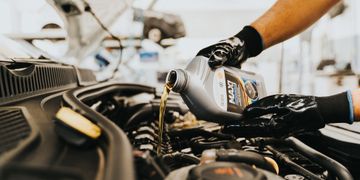
One of the main reasons for warming up the engine in older vehicles was to allow the engine oil to reach optimal operating temperature and flow smoothly through the engine components. Cold oil is thicker and doesn't lubricate the engine effectively, which can lead to increased wear and tear.
But with improvements in engine design and oil technology, modern engines are better equipped to handle cold starts. Most vehicles today use multi-grade oils that are formulated to perform well in a wide range of temperatures, including those below freezing.
So, is warming up your engine still necessary in 2026? The general consensus among experts is that it's not required for most modern vehicles. In fact, idling your car for an extended period can have some drawbacks, such as increased fuel consumption and unnecessary emissions.
Instead of idling your car, the best practice is to drive gently for the first few minutes to allow the engine to warm up gradually. This helps to improve fuel efficiency and reduce wear on the engine components. Additionally, driving your car warms up the engine faster than idling, which means you can start benefiting from the heater sooner.
When it comes to engine health and overall car maintenance, there are a few tips to keep in mind, especially during winter driving. Regularly check and maintain the proper level of engine oil to ensure optimal lubrication. It's also essential to follow the manufacturer's recommendations for oil change intervals.
During colder months, consider using a winter-grade oil that is specifically designed for lower temperatures. This type of oil flows more easily in cold weather, providing better protection for your engine during start-up. Additionally, make sure to use the recommended fuel for your vehicle to maintain optimal performance.
In conclusion, while warming up your car engine may have been a common practice in the past, it's no longer necessary for most modern vehicles. By driving gently at the start of your journey and following proper car maintenance practices, you can ensure your engine stays healthy and performs efficiently, even in cold weather conditions.