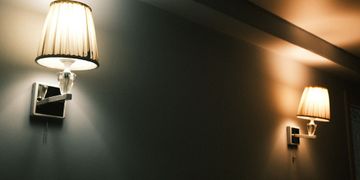
Lumens, Kelvins, and CRI: How to Read the Labels on Light Bulbs So You Don't Ruin Your Interior Design
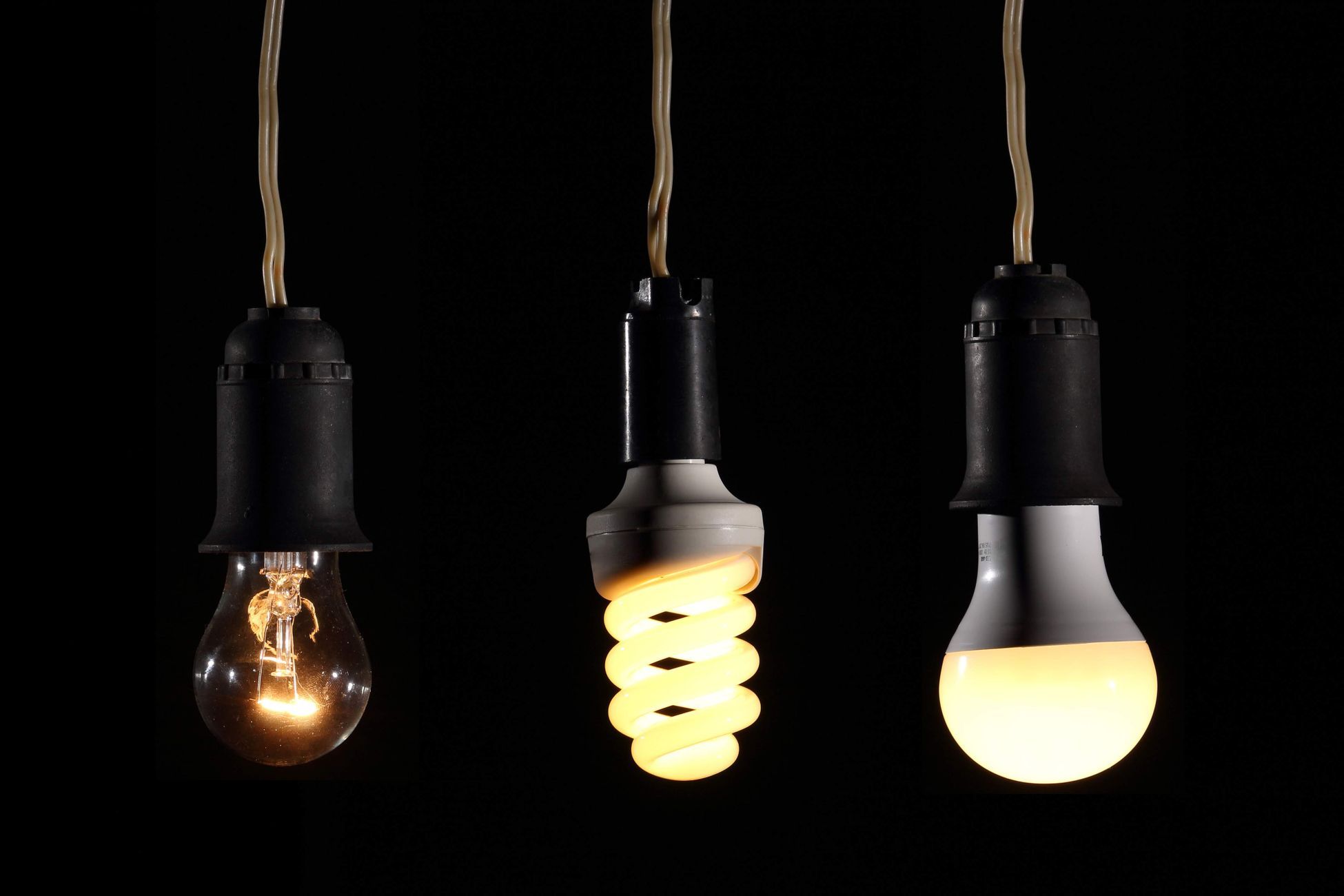
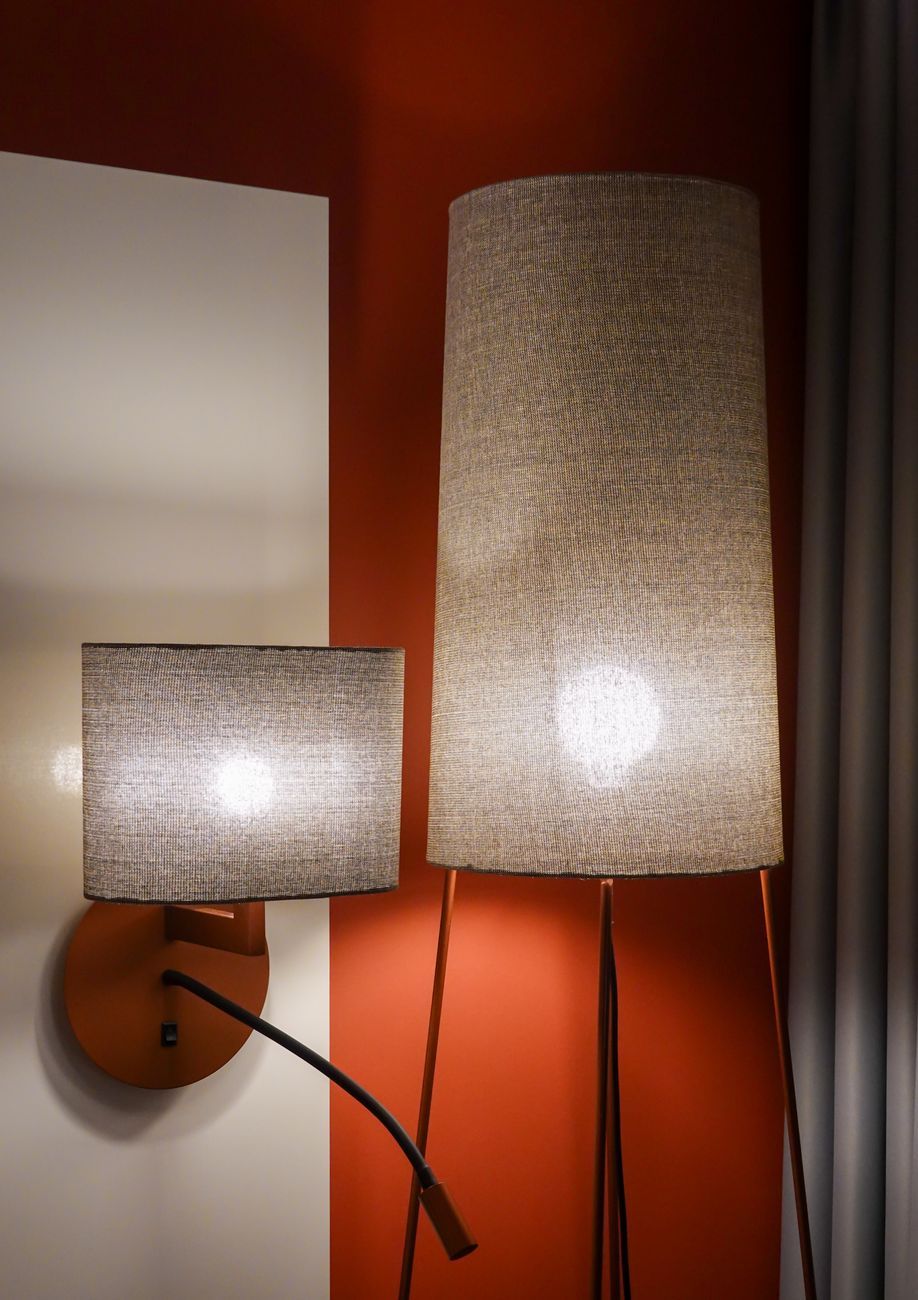
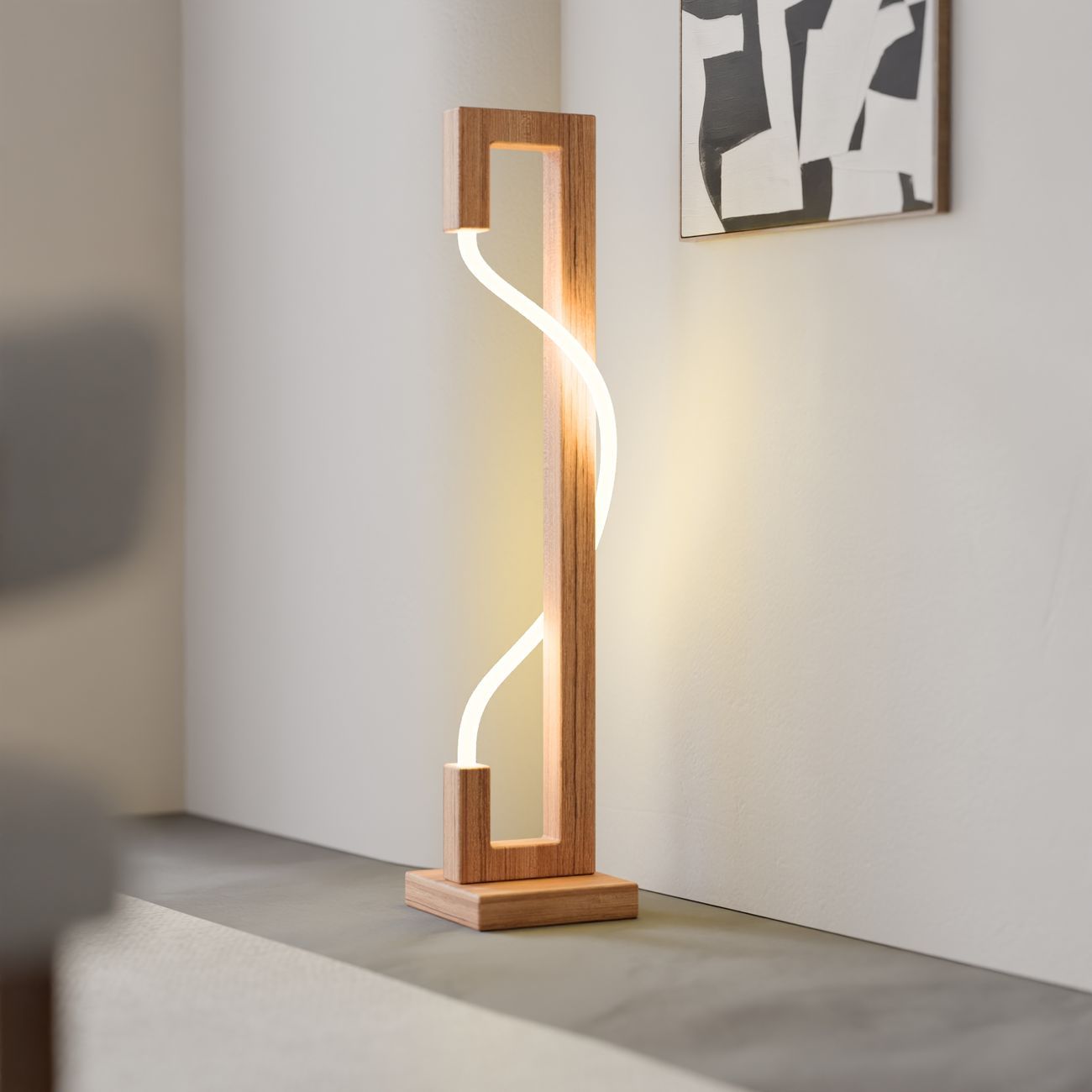
When it comes to choosing the perfect lighting for your home, the labels on light bulbs can be overwhelming. Lumens, Kelvins, and Colour Rendering Index (CRI) - what do all these terms mean and how do they affect your interior design? Understanding these key factors is essential to ensure that your lighting not only illuminates your space but also enhances its aesthetic appeal.
1. Lumens vs Watts
Gone are the days when we used watts to gauge the brightness of a light bulb. Lumens are now the standard unit of measurement for brightness. Simply put, lumens tell you how bright a light bulb is, whereas watts indicate energy consumption. When shopping for light bulbs, keep in mind that a higher number of lumens means a brighter light.
2. Lighting Kelvin Scale
Light bulb temperature is measured in Kelvins, which determines the colour of the light emitted. Lower Kelvin numbers produce warm, yellow tones resembling candlelight, while higher Kelvins result in cooler, bluish hues that mimic daylight. Understanding the Kelvin scale is crucial for creating the desired ambiance in each room of your home.
3. Colour Rendering Index (CRI)
CRI measures how accurately a light source can display the true colours of objects compared to natural light. The scale ranges from 0 to 100, with higher CRI values indicating better colour representation. When choosing light bulbs for your interior design, opt for ones with a CRI of 90 or above to bring out the true colours of your décor and furnishings.
4. Choose Home Lighting Wisely
Whether you're looking to brighten up your living room, create a cosy atmosphere in the bedroom, or set the perfect mood in the kitchen, selecting the right light bulbs is key. Consider the function of each space and choose lighting that complements its purpose. Soft, warm lighting is ideal for relaxation areas, while cooler, brighter light is suitable for task-oriented spaces.
5. LED Light Guide
LED (Light Emitting Diode) light bulbs are energy-efficient options that come in a variety of colours and brightness levels. They consume less power, have a longer lifespan, and offer excellent CRI ratings, making them a popular choice for home lighting. When in doubt, opt for LED bulbs to enhance your interior design whilst saving on energy costs.
6. Home Lighting Tips
When buying light bulbs, consider the specific needs of each room. Dimmable bulbs are perfect for areas where adjustable lighting is required, such as the dining room or living room. Smart bulbs that can be controlled via an app or voice command offer convenience and flexibility. Experiment with different light temperatures and intensities to achieve the desired ambiance in your home.
By learning how to read light bulb labels and understanding the significance of lumens, Kelvins, and CRI, you can make informed decisions when selecting lighting for your home. Remember that lighting plays a crucial role in accentuating your interior design, so choose wisely to illuminate your space in style.