LED Strip Lights in Interior Design: 7 Creative Ways to Transform an Ordinary Room

LED strip lights can do much more than brighten a dark corner. Flexible, compact, and available in a range of colours and brightness levels, they help define spaces, emphasise favourite details, and make everyday rooms feel thoughtfully designed. Try these seven LED lighting ideas to bring fresh character to your home.
1. Create a Soft Ceiling Glow
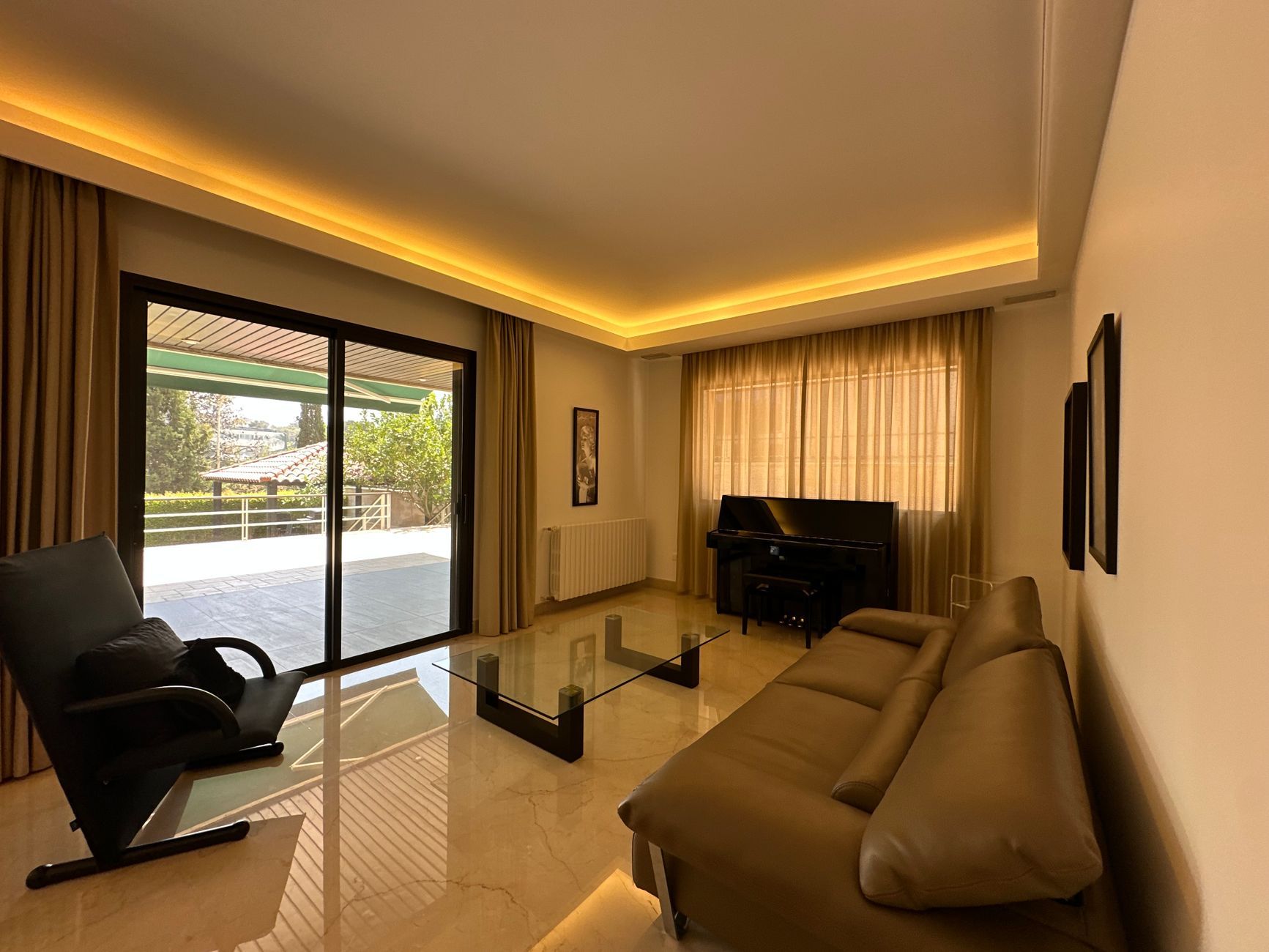
Place strips along a ceiling perimeter, behind a shallow moulding, or on top of a cabinet so the light bounces upward. This indirect lighting adds depth without putting a bright source in your line of sight. Choose warm white for a relaxed living room or bedroom, and use a dimmer to adjust the mood.
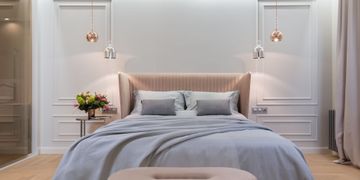
2. Make a Headboard Feel Special
Run LED strip lights behind a headboard or along the underside of a bed frame. The gentle halo creates a cosy retreat and can serve as a low-level nighttime guide. This approach to LED room decoration works especially well in small bedrooms where table lamps might take up valuable space.
3. Highlight Shelves and Displays
Install decorative LED strips under shelves or inside bookcases to illuminate books, artwork, plants, or collectibles. Keep the strip hidden from direct view for a polished finish, and choose a consistent colour temperature so displayed objects look natural. This simple detail can turn ordinary storage into a focal point.
4. Brighten Kitchen Work Areas
Mount strips beneath upper cupboards to light worktops where you prep food or read recipes. This practical layer supports task work while adding a clean, contemporary look. For modern home lighting, select a bright, neutral white and make sure the product is suitable for the kitchen’s conditions.
5. Define a Desk or Reading Nook
Use a strip behind a desk, along a bookcase, or beneath a floating shelf to distinguish a work zone from the rest of a room. Pair it with a focused desk lamp: the lamp handles close-up tasks, while the strip supplies balanced ambient lighting and reduces the stark contrast of a bright screen.
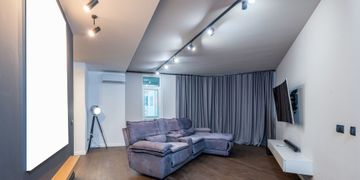
6. Add Colour to a Media Wall
Place lights behind a television or monitor to create a soft glow around the screen. A restrained white setting can make viewing more comfortable in a dark room, while a chosen accent colour adds personality. Keep brightness modest so creative LED lighting complements the picture rather than competing with it.
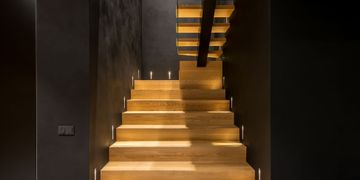
7. Trace Architectural Details
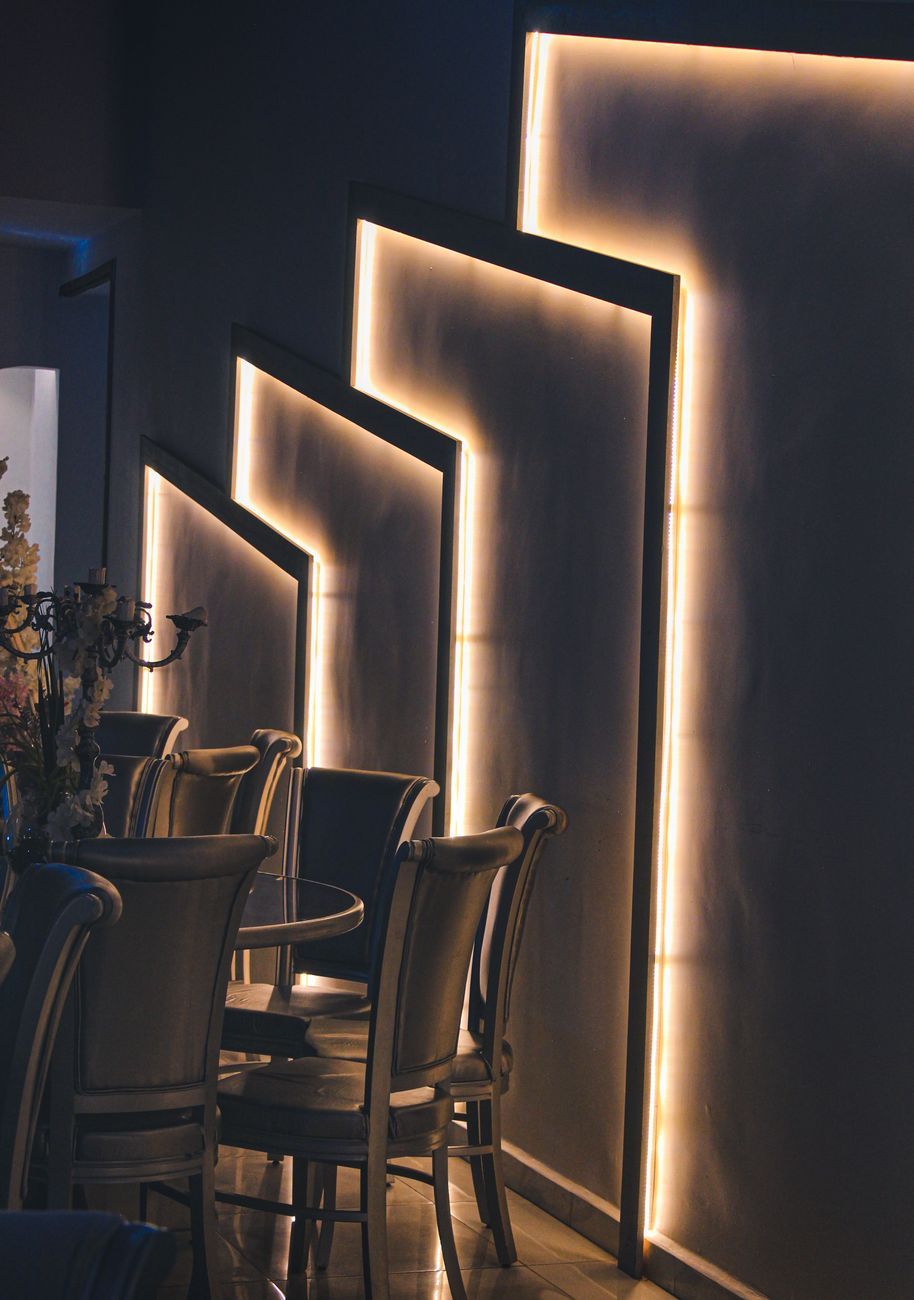
Follow the edge of a stair, a recessed niche, or the underside of a floating console to draw attention to shapes that might otherwise go unnoticed. Plan the route before installation, conceal wiring where possible, and test the lighting after dark. A carefully placed line can give a familiar room a custom feel.
Plan for a Polished Result
Good interior lighting design depends on more than colour: consider brightness, placement, controls, and how the light works with existing fixtures. Measure the route, check whether the strip can be trimmed at marked points, and use compatible connectors and power supplies. For a cohesive look, repeat one tone in several areas instead of scattering unrelated colours throughout the room.
Whether you want subtle architectural definition or a playful accent, LED strip lights offer flexible home lighting inspiration. Start with one small feature, observe how it changes the room at different times of day, and build a layered scheme that feels both useful and personal.