Electronic Harp: How Modern Technology Unlocks New Possibilities for an Ancient Instrument
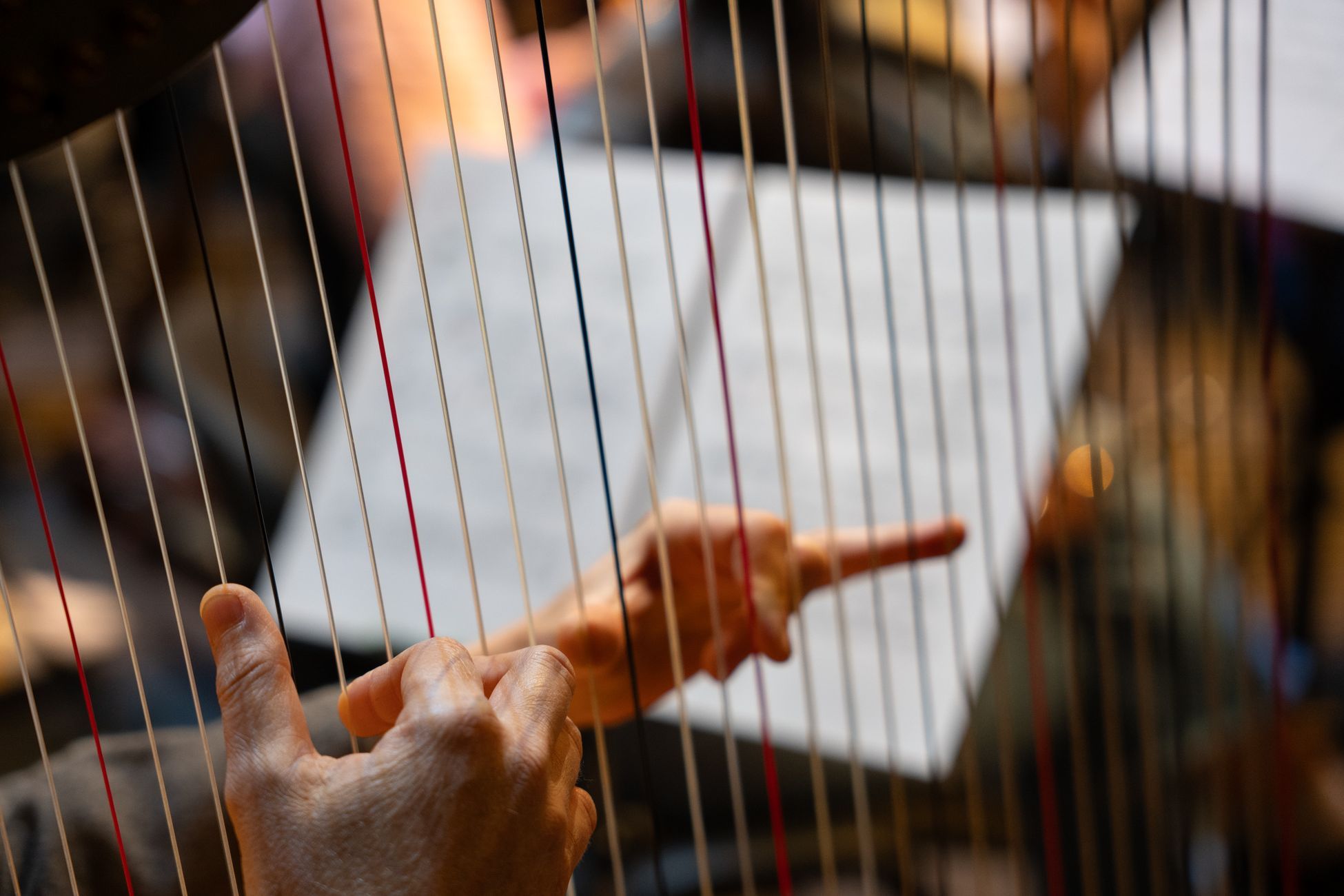
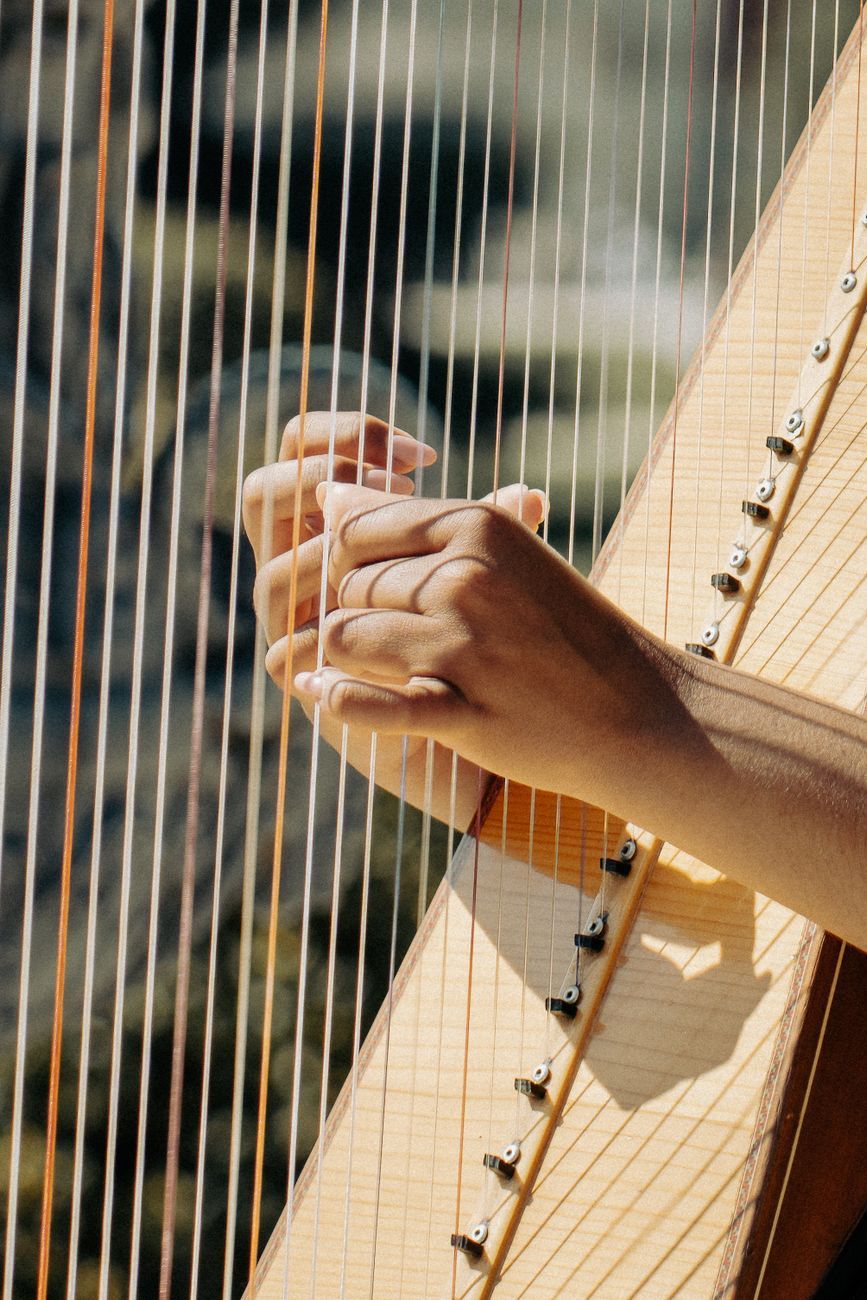
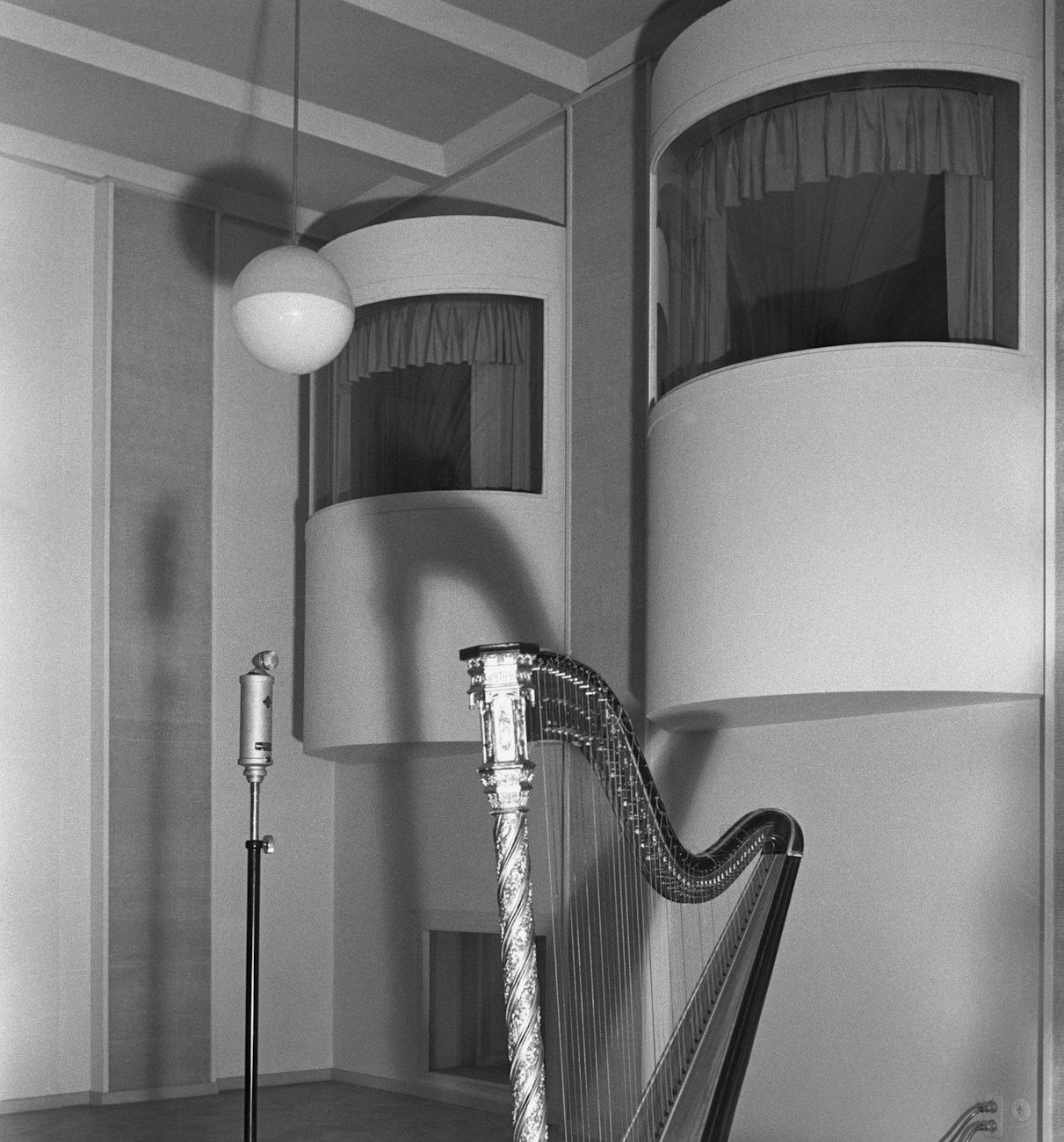
The harp has inspired musicians for thousands of years, but its history is still being written. Today, the electronic harp brings the instrument into new musical spaces, pairing familiar strings with amplification, digital processing, and flexible performance tools. Whether played in a concert hall, a recording studio, or a home music room, it can preserve the harp’s expressive touch while expanding what its sound can do.
The term “electric harp” can describe several designs. Some are acoustic harps fitted with pickups that capture string vibrations and send them to an amplifier. Others are built specifically for amplified performance, with solid or lightweight frames that reduce feedback and make them easier to transport. Digital musical instruments may also use sensors and electronic sound generation to produce harp-like tones without relying on a traditional resonating body. These approaches offer different playing experiences, so musicians should consider how closely they want to stay connected to an acoustic instrument.
Features that shape the performance
Among the most useful electronic harp features are onboard or external controls for volume, tone, and effects. A pickup system can make quiet passages audible in a band, while an equaliser helps the player fit the instrument into a mix. Depending on the model and setup, a performer may connect to amplifiers, headphones, recording equipment, or compatible MIDI devices. This flexibility makes it easier to rehearse silently, capture a clean signal, or layer harp parts with keyboards and other instruments.
Effects can transform the instrument without replacing its natural character. Reverb can suggest a large, spacious hall; delay can create repeating patterns; and chorus or looping can build a wider, more layered texture. With careful adjustment, harp sound effects add atmosphere while leaving the attack and resonance of the strings recognisable. Players can also use electronic processing to explore sounds that would be difficult to achieve acoustically, from shimmering ambient beds to rhythmic, pulsing tones.
Creative uses and practical choices
For composers, producers, and live performers, modern harp technology opens doors across genres. The instrument can sit beside guitars and drums in pop or rock, contribute delicate colour to film scores, or lead an experimental electronic composition. In modern harp music, traditional glissandos and arpeggios can meet looping, sampled textures, and precise studio editing. The result is not a replacement for the acoustic harp but an expanded palette for musicians who want both its history and its contemporary possibilities.
An electric harp for beginners can be appealing because amplification supports ensemble playing and headphone practice can make home sessions more convenient. Before buying, consider the instrument’s weight, string layout, pickup quality, tuning stability, available outputs, and whether effects are built in or require separate equipment. Beginners should also budget for an amplifier or headphones, cables, and routine string care. Trying a model in person, when possible, helps reveal whether its feel and response suit the player.
Ultimately, innovative musical instruments are valuable when technology serves musical intention. An electronic harp can offer portability, expressive sound shaping, and new ways to collaborate, while still rewarding the sensitivity and technique that make harp playing distinctive. From intimate practice to a fully amplified electronic harp performance, this ancient instrument continues to evolve—one resonant string at a time.