AI-Powered Cameras: How Artificial Intelligence Is Transforming Modern Photography
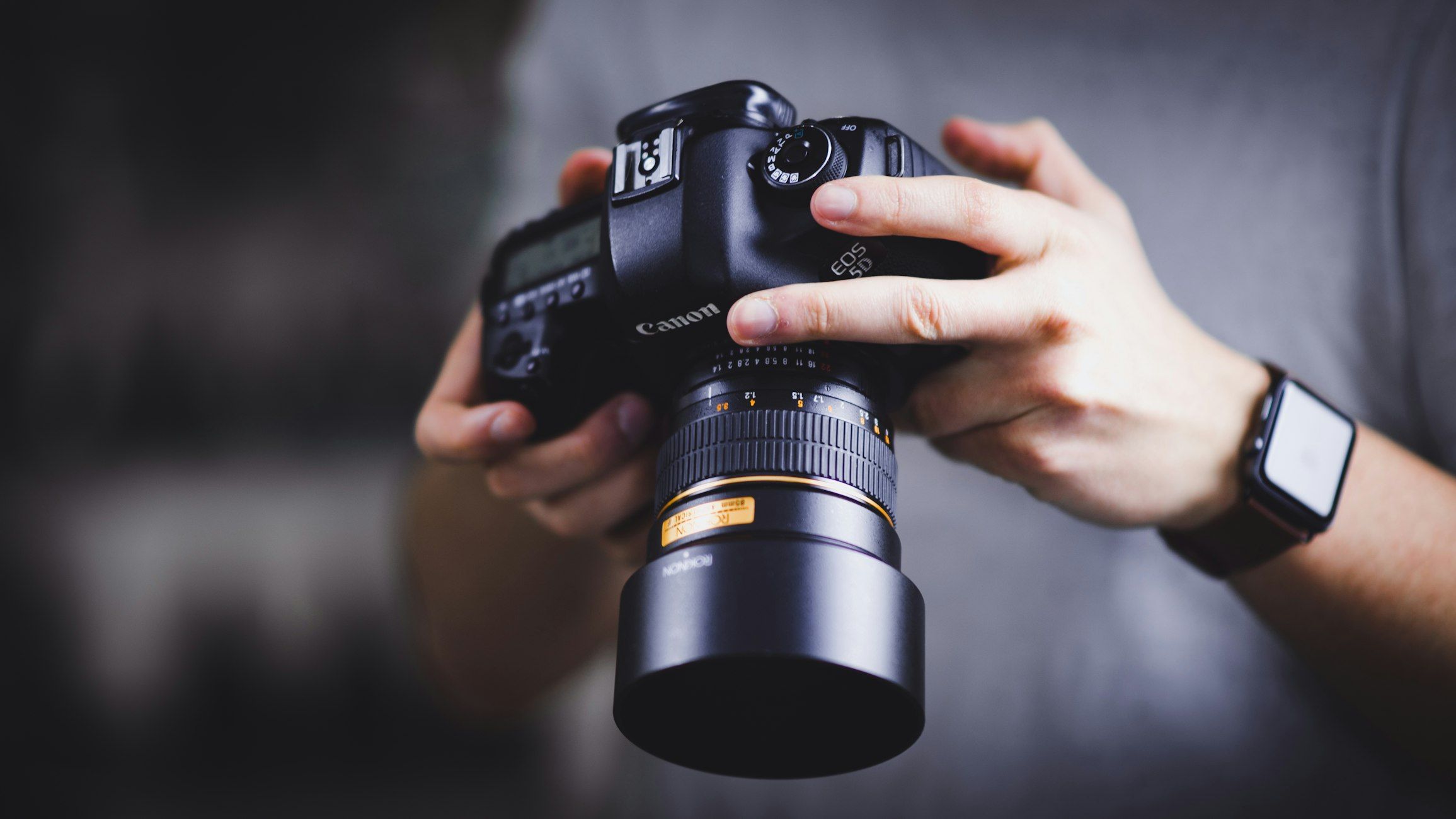
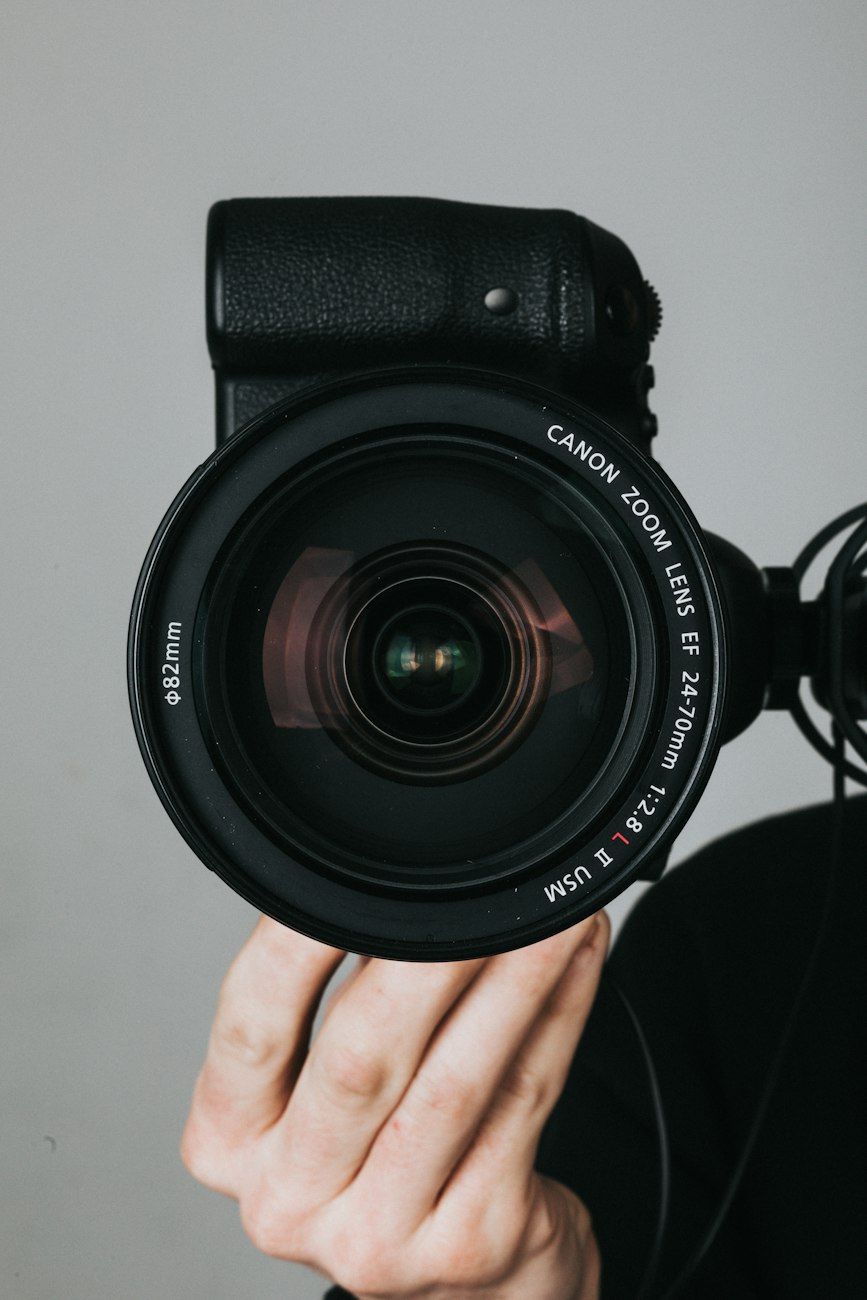
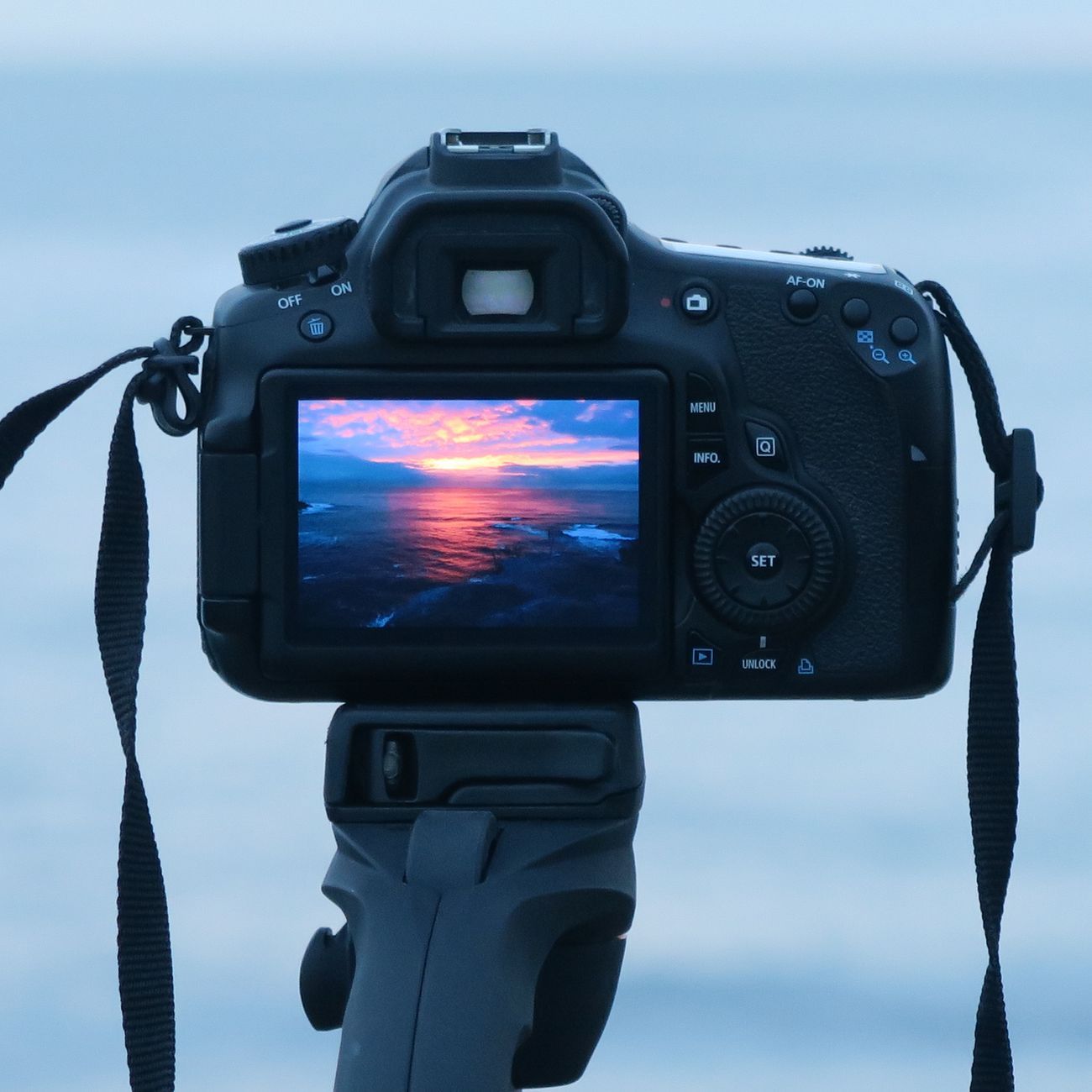
Today’s cameras do more than record light. They can recognise subjects, adjust settings, and refine images with tools once associated with professional editing software. These AI-powered cameras combine traditional optics and sensors with software trained to interpret scenes. The result is a more responsive shooting experience—and a new set of creative choices for photographers.
Artificial intelligence in photography is not one feature, but a collection of systems that analyse an image while it is being captured or processed. A camera may identify a person, pet, landscape, or food, then tune exposure, colour, and focus to suit the subject. This AI camera technology can make complex adjustments happen in a fraction of a second, often without requiring the photographer to understand every setting.
From Scene Recognition to Reliable Focus
Automatic scene recognition helps a camera distinguish between situations that benefit from different settings. A sunset, a backlit portrait, and a fast-moving game each present distinct challenges. By examining elements such as brightness, contrast, and subject shape, a camera can select a useful starting point. The feature is especially helpful for beginners, though experienced photographers can still override its decisions.
Intelligent autofocus has also become more capable. Rather than simply detecting contrast, modern systems can identify and track eyes, faces, animals, and vehicles as they move through a frame. This can improve the odds of getting a sharp image during a quick portrait or action sequence. Still, autofocus is not infallible: cluttered backgrounds, dim lighting, or an unusual angle can confuse even advanced systems.
Better Images Through Computation
Computational photography combines data from a sensor with software techniques to create a finished image. A phone or camera may capture several frames and merge them to preserve detail in both bright skies and shadowed streets. AI image processing can reduce noise, sharpen important areas, balance colours, and improve portrait separation. These smart photography features make small sensors and compact devices more versatile than their hardware alone might suggest.
AI photo enhancement can be useful when a picture needs a quick correction, such as lifting shadows or reducing blur. Some tools can remove distractions or enlarge an image while attempting to preserve detail. Their results vary, however, and aggressive processing may produce artificial textures, oversaturated colour, or a look that no longer matches the original scene. Keeping an untouched file and reviewing edits at full size helps preserve control.
Creative Control and Responsible Use
Automation does not replace photographic judgement. Choosing a viewpoint, noticing a decisive moment, and deciding what belongs in the frame remain human skills. AI can reduce the time spent adjusting settings, but photographers should learn how their camera’s modes behave and when to switch them off. For important work, checking focus, exposure, and image files is still worthwhile.
There are also questions about privacy and authenticity. Features that recognise people or upload images for cloud-based processing may involve sensitive data, so users should review device settings and policies. Generative editing can alter a scene beyond ordinary enhancement; clear disclosure may matter in journalism, documentary work, or commercial projects.
What Comes Next
The future of digital photography will likely bring faster subject tracking, more adaptable processing, and editing tools that respond to a photographer’s intent. As these systems improve, the best cameras will not simply make decisions on their own. They will offer useful assistance while making it easy to understand, adjust, or reject the result. Used thoughtfully, AI can make photography more accessible without taking away the craft that makes an image meaningful.