Read or Listen? Why Are Audiobooks Becoming So Popular?


For generations, reading a book meant sitting down with printed pages or, later, opening a digital edition on a screen. Today, many readers are just as likely to press play. Audiobooks have moved from a niche format to a familiar part of everyday life, turning commutes, chores, and walks into opportunities to enjoy a story or learn something new. Their rapid growth has prompted a question that comes up among longtime book lovers and new listeners alike: Is listening to a book really the same as reading one?
There is no single answer, because people choose books for different reasons and use different formats in different situations. Audiobooks are not simply a replacement for print or ebooks. They offer another way to experience language, ideas, and storytelling—one that fits comfortably into a busy, screen-filled world. Understanding audiobook popularity means looking at convenience, technology, performance, accessibility, and changing reading habits.
Books That Fit Into Busy Days
Convenience is one of the most obvious benefits of audiobooks. A physical book or digital book generally asks readers to give their eyes and hands focused attention. Listening, by contrast, can accompany activities that do not require much mental concentration. People can hear a novel while walking the dog, doing household tasks, cooking, or travelling. A long drive may become a chance to finish a memoir rather than another stretch of time spent with music or talk radio.
This flexibility matters when people feel they have less time to read. Rather than waiting for a quiet evening or a free hour, listeners can fit a chapter into small gaps in the day. That does not mean every task is suitable for listening. Complex work, a crowded environment, or an activity that demands careful thought may make it difficult to follow a book. But for many ordinary routines, audio creates a way to enjoy books without requiring a separate block of time.
Audiobooks can also make a long book feel more approachable. A listener can pause and resume without losing a place on the page, and many audiobook apps remember where playback stopped. Adjustable playback speed lets people slow down for challenging material or move more quickly through familiar passages. These features help listeners adapt the experience to their own schedules and preferences.
Reading vs. Listening: Different Experiences, Shared Stories
The debate about reading vs listening sometimes assumes that one format is more legitimate than the other. In practice, both involve engaging with a book, although they ask the audience to process it differently. Print and ebooks give readers control over pace, layout, and where their attention goes. Readers can scan a page, reread a sentence, or pause to reflect without needing to adjust a device. Listening unfolds over time, guided by a narrator’s voice and rhythm.
That performance can be a major part of the appeal. A skilled narrator brings dialogue, mood, and character distinctions to life, while a well-produced recording can make a story feel intimate and immediate. Some audiobooks use multiple performers or subtle sound design, creating an experience closer to a dramatic performance. Even a straightforward narration can reveal qualities in the writing that a listener might not notice when reading silently, such as musical phrasing, humour, or the rhythm of repeated words.
Listening also has its own challenges. It can be easier to lose focus when a phone notification appears, a conversation begins, or the surrounding environment becomes noisy. Some listeners find it harder to remember names, dates, or complicated arguments when they hear them rather than see them. Returning to an earlier passage may require a little more effort than turning back a page. For a demanding nonfiction book, a dense reference work, or a text that benefits from close annotation, print or an ebook may be the more practical choice.
Many readers do not need to choose one format forever. They may listen to a novel during a commute, read its digital edition at home, and switch between the two depending on the situation. Some people listen first and later revisit important passages in print. The useful question is not whether audio counts as reading, but which format helps a person connect with a particular book.
Accessibility and More Ways to Participate
The benefits of audiobooks extend beyond convenience. Audio can provide access to books for people who have low vision, dyslexia, certain learning differences, or physical conditions that make holding a book or reading a screen difficult. It can also help people who are tired, recovering from illness, or simply unable to concentrate visually for long periods. For these listeners, audio is not an inferior alternative; it can be an essential route to stories and information.
Listening can support language learning, too. Hearing pronunciation, sentence patterns, and natural dialogue gives learners a chance to connect written language with spoken expression. Following along with a printed or digital text can be especially useful for people building vocabulary or becoming familiar with a new language. Children may also enjoy hearing books read aloud, whether from a family member or a professional narrator. The voice brings expression and pacing to a story in a way that can invite curiosity and discussion.
These possibilities do not mean audio works equally well for every person or every book. Access depends on the availability of a recording, language options, audio quality, and the features of the player being used. Still, the wider range of formats makes the book world more flexible. Audiobooks allow publishers and authors to reach people who may not have found print or digital books convenient or accessible.
How Technology Changed the Listening Experience
Earlier generations of audiobooks were often distributed on physical media, which could be bulky and inconvenient to carry. Digital books and downloadable audio changed that arrangement. Now, a large library can fit on a smartphone, and an audiobook app can provide playback controls, bookmarks, sleep timers, and recommendations in one place. Listeners can choose a book wherever they are and continue it across compatible devices.
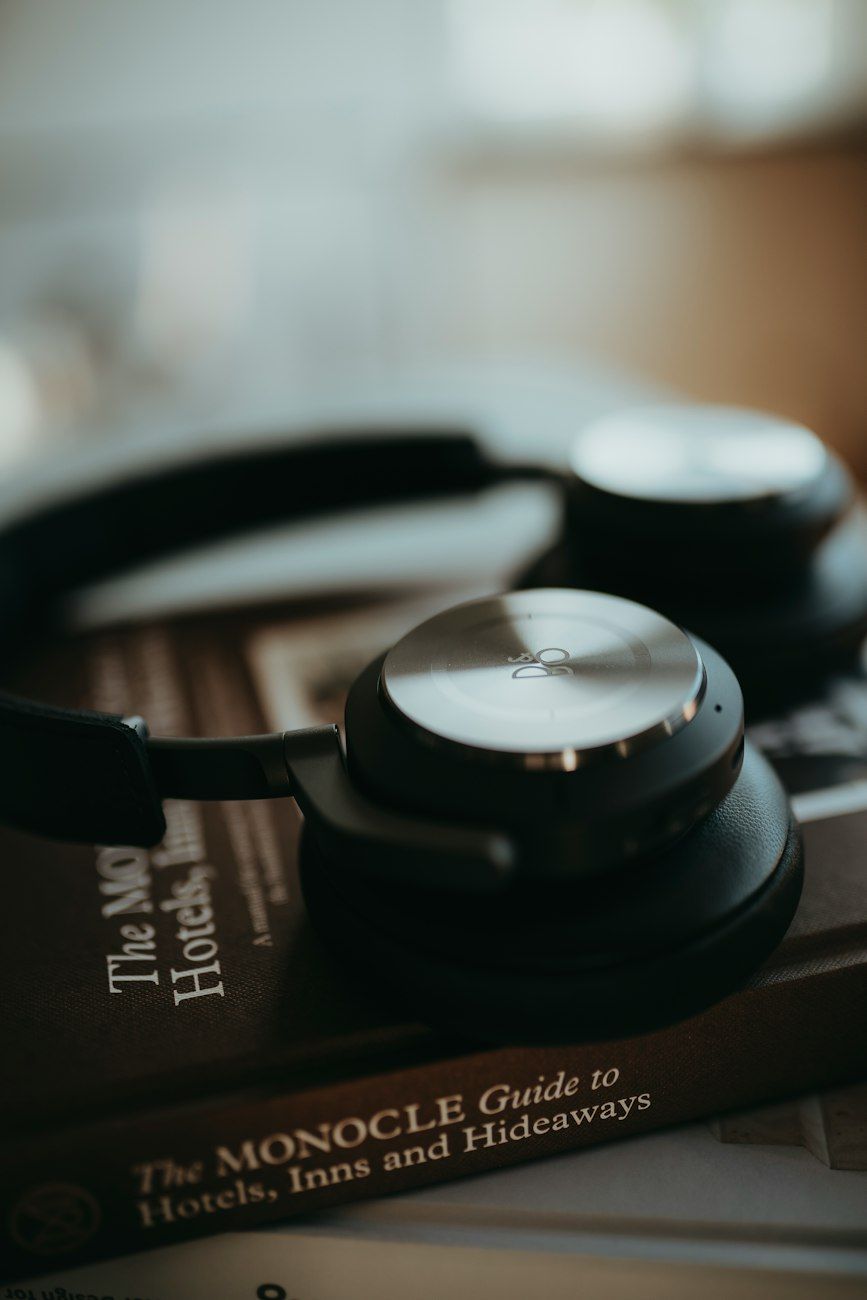
Smartphones have been especially important because they combine a portable audio player, an internet connection, and a personal library. Wireless headphones make listening easier during travel and exercise, while in-car systems have made it more natural to play books on the road. Subscription services and digital storefronts have also given listeners new ways to discover titles, though the available selection and pricing vary from service to service.
As audiobook apps compete for attention, they have made listening more customisable. Speed controls, chapter navigation, sleep timers, and playback-position syncing are now common features. Some services offer recommendations based on a listener’s interests, while others make it simple to sample a narrator before choosing a title. These small design choices can reduce friction and help a person build a regular listening routine.
What Is Driving Audiobook Popularity?
Audiobook popularity reflects more than the availability of smartphones. It is also connected to changing expectations about how media should fit into daily life. People routinely listen to podcasts, music, and spoken news while moving between tasks. Books can occupy the same space in a media routine, offering longer narratives and deeper exploration than a short episode or news update.
Another factor is the growing range of available titles. Bestsellers, literary fiction, romance, mysteries, fantasy, biography, history, self-help, and professional learning are all represented in audio. As more books receive recordings, listeners are more likely to find something that suits their tastes. Publishers have also invested in narration and production, recognising that the voice behind a book can influence a listener’s enjoyment as much as the cover or edition might influence a reader.
Social recommendations contribute to discovery as well. Listeners share favourite narrators, discuss books with friends, and find suggestions through reading communities and entertainment platforms. A memorable performance can prompt someone to seek out another title by the same narrator, while a popular series can encourage new listeners to try audio for the first time. In this way, audiobook trends are shaped not only by devices and services but by word of mouth and shared enthusiasm.
Listening Is Not Always a Shortcut
Because audiobooks can accompany other activities, some people assume they require less attention or provide a less meaningful experience. That assumption overlooks the many ways listening can be focused and immersive. A listener may give an audiobook their full attention while resting, travelling, or sitting quietly. A compelling narrator can help keep attention anchored to a long story, while a well-structured book can make even a complicated subject easier to follow.
At the same time, multitasking can affect comprehension. If a listener tries to absorb a detailed argument while doing something demanding, important points may slip by. The same is true of reading while distracted: the format alone cannot guarantee attention. Listeners who want to remember key information can pause to reflect, replay a passage, take notes afterward, or pair the audio with a text edition. Choosing the right format for the task is more useful than treating every book as something to consume in the same way.
The Future of Reading Includes More Than One Format
The future of reading is unlikely to belong exclusively to print, ebooks, or audio. People already move among formats according to what they are doing, what they want to read, and how much attention they can give. Print remains appealing for its physical presence and ease of browsing. Ebooks are portable and often provide adjustable text. Audiobooks add a hands-free, voice-led option. Each format offers a different relationship with a book.
Future audiobook trends may include more flexible listening tools, greater attention to accessibility, and continued experimentation with narration. New technology might make it easier to move between audio and text, personalise playback, or discover books through voice-based recommendations. Whatever tools emerge, the most important question will remain whether they help people find stories and ideas worth spending time with.
So, read or listen? For many people, the best answer is both. Audiobooks make it possible to experience books in moments when printed pages are impractical, while print and digital editions remain valuable for focused study and close reading. The rise of listening to books does not necessarily signal the decline of reading. Instead, it shows how reading habits can expand when books are available in more forms. Audiobooks are popular because they make stories portable, performances memorable, and literary experiences easier to fit into modern life—without requiring anyone to give up the page.