Waterproof Wound Dressings: How Do They Differ from Regular Plasters?
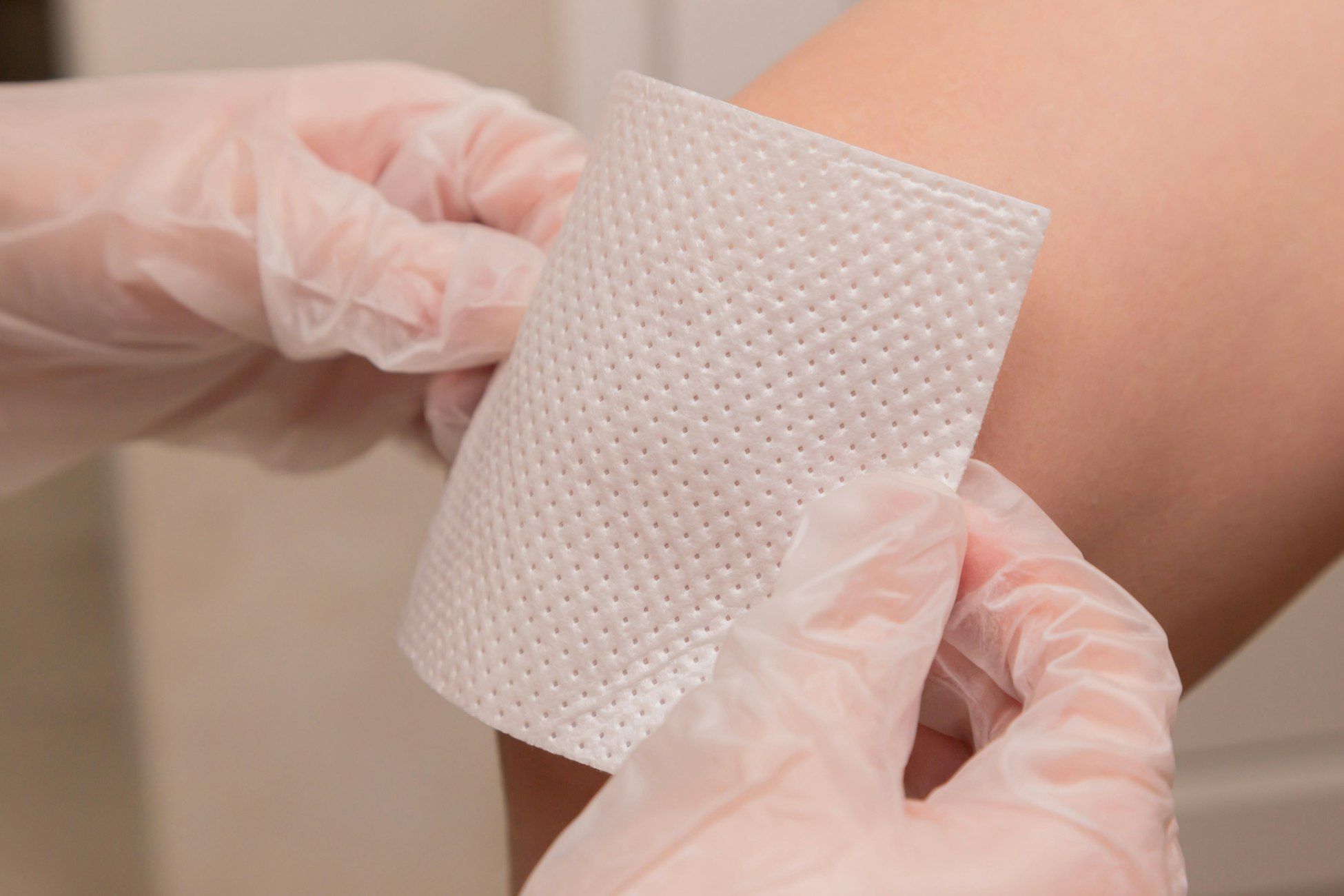
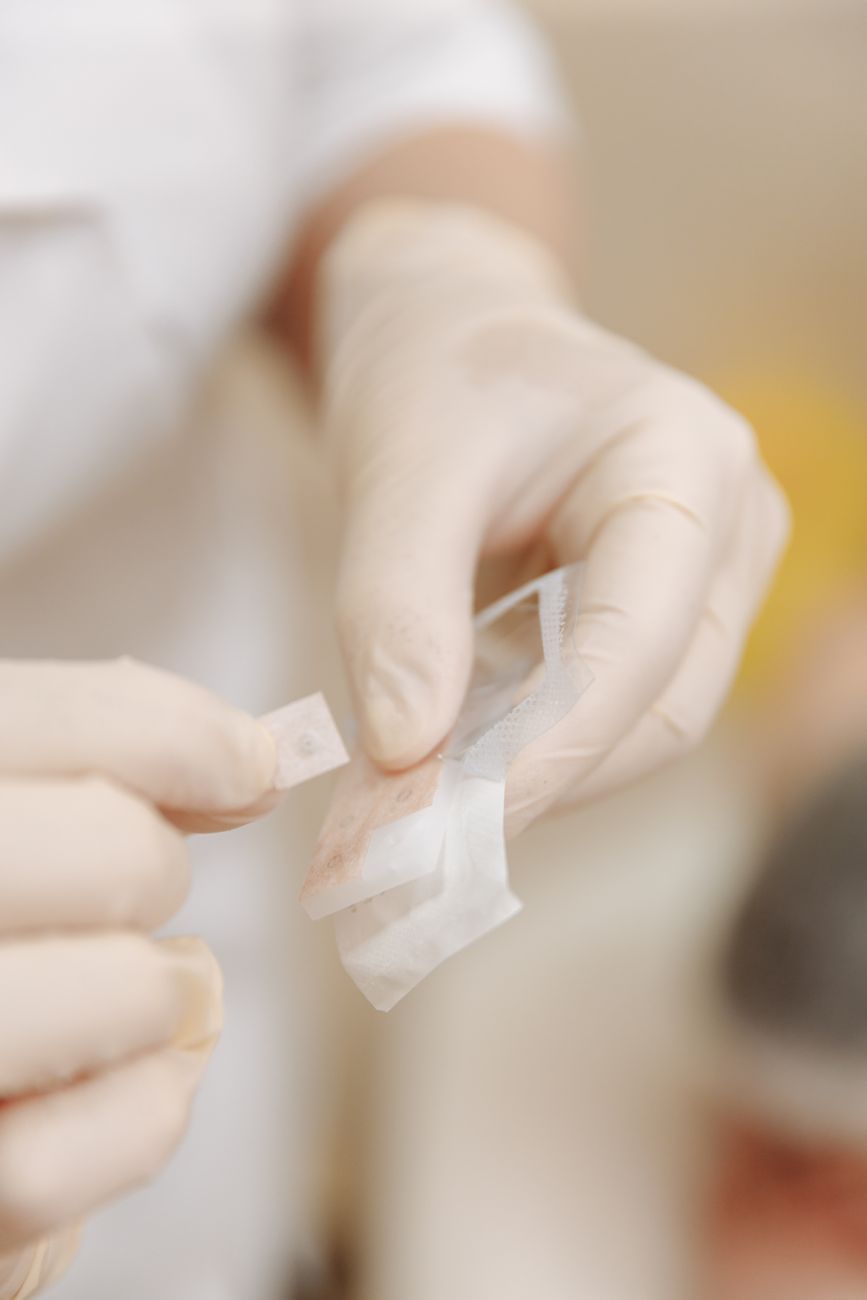
Are you familiar with waterproof wound dressings and how they differ from regular plasters? When it comes to wound care and protection, choosing the right type of dressing is essential for promoting healing and preventing infections. In this article, we will explore the differences between waterproof wound dressings and regular plasters, and why waterproof options are preferred in certain situations.
Waterproof wound dressings, also known as shower-proof or adhesive dressings, are specially designed to protect wounds from water exposure. Unlike regular plasters that may lose their adhesive properties when exposed to moisture, waterproof plasters create a barrier that keeps the wound dry and promotes healing. This feature is particularly beneficial for individuals who lead active lifestyles or need to shower regularly while healing from an injury.
The primary advantage of waterproof wound dressings is their ability to provide superior protection against moisture. When a wound is exposed to water, it can delay the healing process and increase the risk of infection. By using a waterproof dressing, the wound remains dry, which creates an optimal environment for the skin to repair itself. Additionally, waterproof dressings are more durable and less likely to come loose or fall off when in contact with water, ensuring consistent wound coverage.
Medical professionals often recommend waterproof dressings for individuals who have wounds that require frequent exposure to water, such as those on the hands, feet, or joints. These dressings are also ideal for individuals who need to maintain their regular hygiene routines, as they can shower without worrying about compromising the integrity of the dressing. Whether you're dealing with a minor cut or a more serious wound, waterproof dressings offer reliable protection and peace of mind during the healing process.
In addition to their waterproof properties, these dressings are designed to provide optimal wound protection and support healing. They are often breathable, allowing air to circulate around the wound while maintaining a moist environment that promotes cell regeneration. Some waterproof dressings are also infused with antibacterial agents or other specialised materials to prevent infections and encourage faster healing. By choosing the right waterproof dressing for your needs, you can effectively manage your wound care routine and expedite the healing process.
To summarise, waterproof wound dressings offer several advantages over regular plasters when it comes to wound care and infection prevention. Their waterproof properties ensure that wounds remain dry and protected, even during activities that involve water exposure. By choosing waterproof dressings, individuals can support the healing process and maintain their daily routines without compromising their wound care regimen. Whether you're dealing with a minor injury or a more complex wound, consider using waterproof dressings for optimal protection and faster recovery.
Next time you find yourself in need of first aid supplies, consider investing in waterproof wound dressings to ensure your wounds receive the care and protection they deserve.