Toy Blasters with Foam Darts: How to Choose a Safe Set for Active Play?
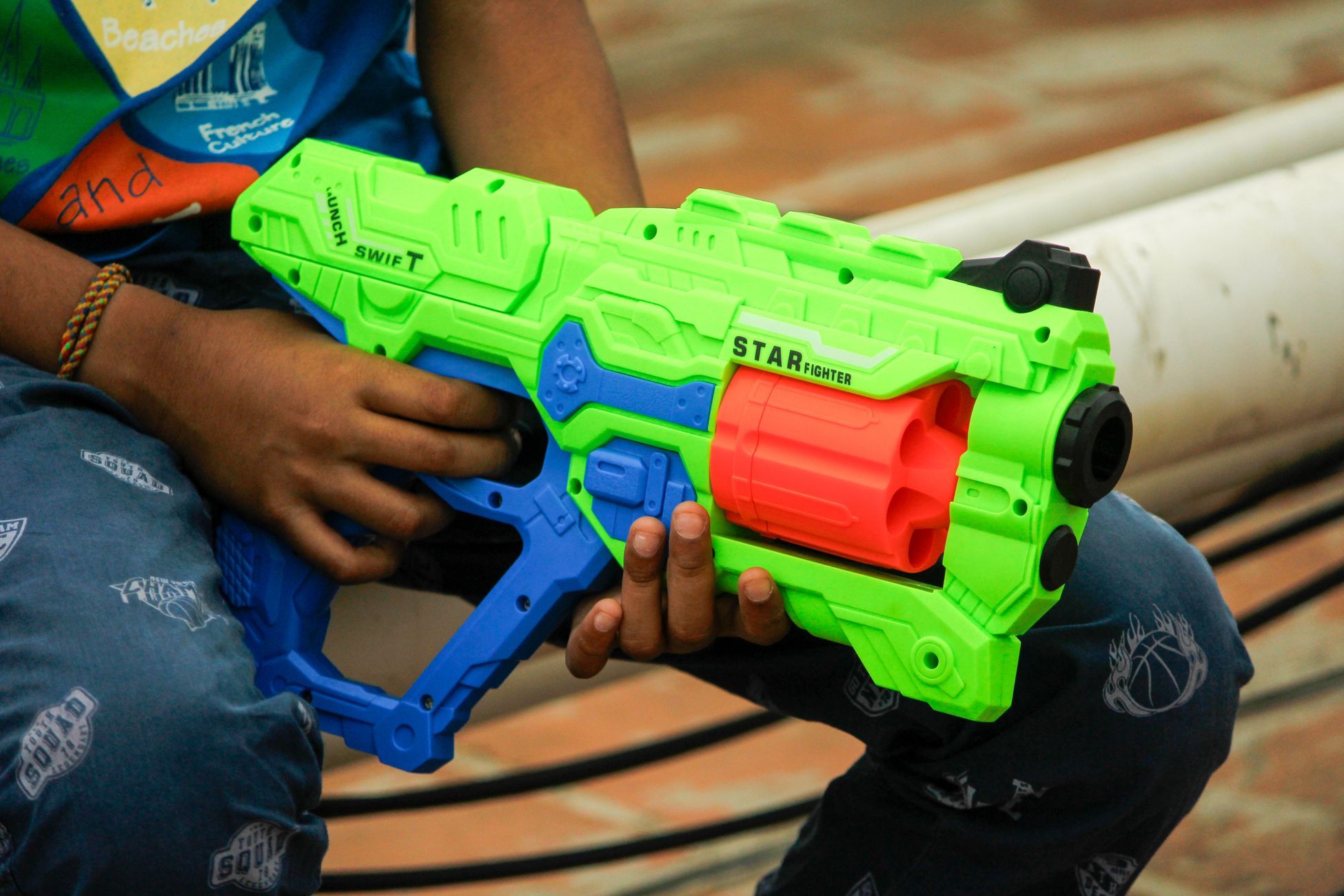
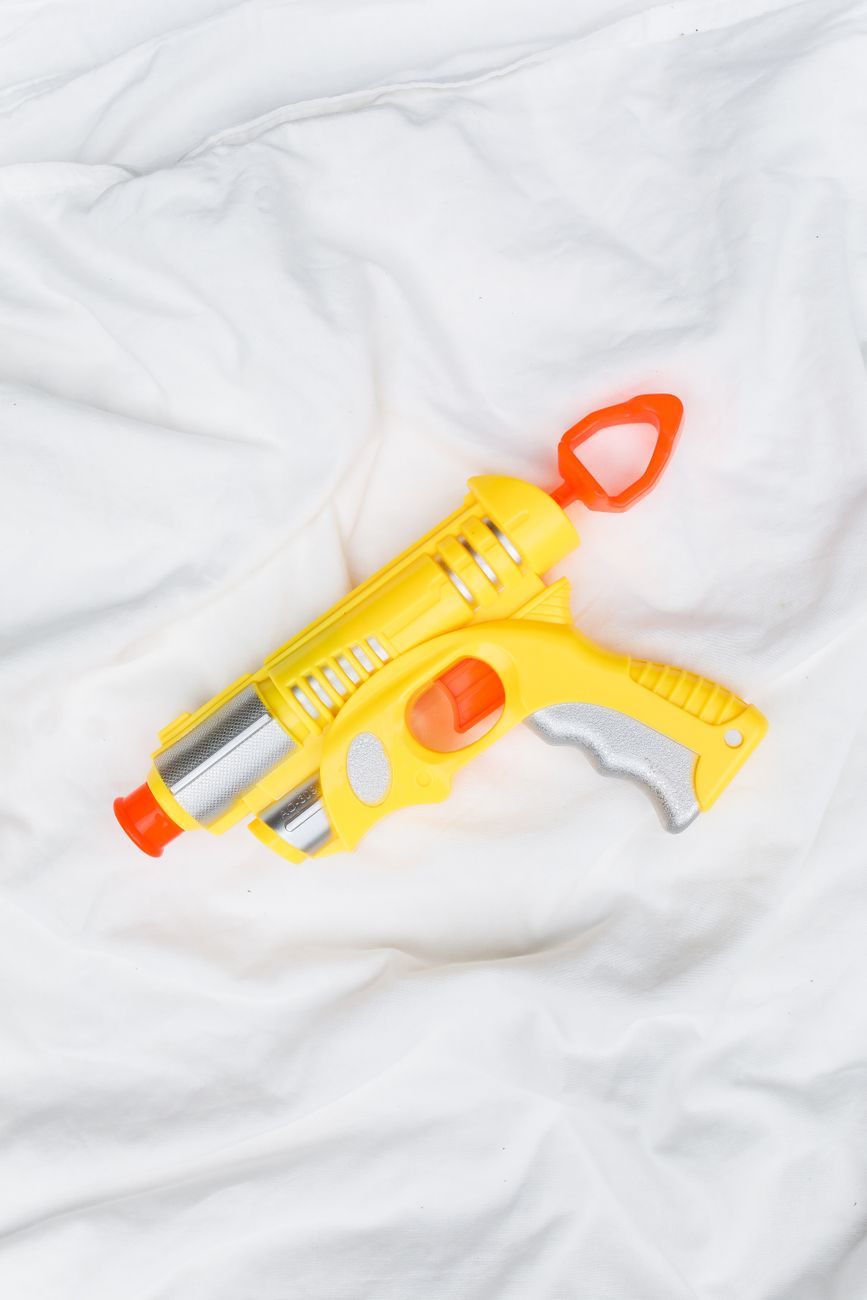

Toy blasters with foam darts can turn a garden, park, or playroom into a lively setting for target practice and team games. They may encourage kids to move, take turns, and invent imaginative adventures, but choosing a set involves more than comparing colours or firing styles. A good choice should fit a child’s age and abilities, suit the space where it will be used, and come with clear safety instructions.
Whether you are shopping for foam dart guns for kids or looking for a family-friendly activity, consider the whole experience: the blaster, the darts, eye protection, and the rules everyone will follow. The safest toy blasters are not automatically the ones with the most features. They are the ones children can use responsibly, with adult guidance and appropriate boundaries.
Start With Age, Skill, and Supervision
Check the manufacturer’s recommended age range before buying. It is a starting point, not a substitute for judging your own child’s coordination, impulse control, and ability to follow directions. Some foam dart blasters for children use simple, low-effort loading mechanisms, while others require more steps or strength. A child who struggles to load or operate a blaster may become frustrated or try unsafe shortcuts.
Read the packaging and instructions for age warnings, small-part notices, and any specific operating requirements. Darts, removable clips, and accessories can pose a choking risk to young children. Keep them away from babies and toddlers, and store the equipment where younger siblings cannot reach it. An adult should supervise play, especially when children are learning the rules, playing in a new location, or using a set with multiple components.
What Makes a Blaster Set a Better Fit?
When comparing foam dart blaster sets, look beyond the number of darts included. A thoughtfully designed set may be easier to use and manage than a larger, more complicated one. Consider these practical features:
- Simple operation: Choose a loading and firing mechanism that matches the child’s age and hand strength. The instructions should be clear and easy to follow.
- Comfortable handling: The blaster should feel manageable in the child’s hands. A bulky or awkward design can make safe aiming more difficult.
- Clearly specified dart compatibility: Use only the darts identified by the manufacturer. Do not assume that darts from another toy will fit or work safely.
- Included protective gear: Eye protection is a useful feature, but check that it fits properly and is intended for play. If it does not fit, obtain appropriate protective eyewear separately.
- Durable construction: Look for products without sharp edges, loose parts, or damage. Stop using a blaster or dart that becomes cracked, broken, or misshapen.
- Manageable accessories: Extra clips and add-ons can be fun, but they should not make the toy too difficult to handle or encourage unsafe modifications.
Online rankings and product descriptions may call certain options the best foam dart blasters, but “best” depends on the child and the play environment. A straightforward model with clear instructions may be a better choice than a feature-heavy blaster that is difficult to control. Before purchasing, look for current safety notices or recalls and review the product information supplied by the manufacturer.
Set Safety Rules Before the First Round
Foam darts are soft, but they can still hurt someone, particularly if they strike the eyes or face at close range. Make the rules part of play from the beginning. Adults can demonstrate them, ask children to repeat them, and pause the game whenever someone forgets.
- Wear suitable eye protection during play, especially during moving or team games.
- Never aim at someone’s face, head, or eyes. Aim only at agreed targets or below the shoulders when a game allows players to be tagged.
- Keep the blaster pointed in a safe direction and keep fingers away from the trigger until it is time to play.
- Do not fire at someone who is not playing, at animals, or at anyone who has asked to stop.
- Use only the darts made or approved for that blaster. Never use hard objects, homemade ammunition, or damaged darts.
- Do not look into the barrel or place a finger or other object inside it.
- Stop play to retrieve darts. Do not run into roads, crowded paths, or other areas where it is unsafe to look for them.
- Put the blaster down when the game is over, and store it with darts and accessories out of reach of young children.
These toy gun safety tips should apply to every player, regardless of age or experience. Establish a clear “stop” signal that ends the action immediately. If a child is uncomfortable, gets hurt, or no longer wants to participate, the game should pause. Safe play depends on respecting boundaries, not simply following a score or team plan.
Choose a Suitable Place to Play
Think about the space before choosing between indoor and outdoor play toys. Indoors, use a clear area away from breakable items, stairs, windows, lamps, and narrow walkways. Set up soft, stable targets and make sure there is enough room to move without bumping into furniture. Avoid firing towards doors or areas where someone might unexpectedly walk into the game.
Outdoors, choose a private, open space with clear boundaries and enough distance from roads, neighbours, pets, and bystanders. Do not use toy blasters in public places where someone could mistake them for real firearms or where play could disturb or frighten others. Some communities and venues have rules about toy weapons, so check local guidance and the rules of any location you plan to visit. Keep the blaster put away while travelling to and from the play area.
Active outdoor games can help children get moving, but they need a layout that keeps players in sight and away from hazards. Mark boundaries, remove obstacles, and agree on safe zones where players can pause. In a crowded or unfamiliar space, target practice with an adult may be a better choice than a fast-moving team game.
Make Play Active Without Making It Risky
Kids shooting toys can support imaginative play and basic skills such as taking turns, aiming at a stationary target, and following a shared set of rules. The activity does not have to involve chasing or shooting at other players. Try a target course made with lightweight, stable items, or create a timed challenge where children move between marked stations and take turns firing at targets.
For group play, keep the rules simple and the pace manageable. Explain where players may stand, where they can move, what counts as a safe target, and how to stop the game. Avoid rules that reward firing at close range or encourage players to surprise someone who is not ready. Adults can adjust the distance and complexity to suit the group, and should keep an eye on the whole play area rather than focusing only on the blasters.
Care, Storage, and Regular Checks
Inspect the blaster and darts before and after play. Replace darts that are torn, dirty, compressed, or otherwise damaged, and do not try to repair them with tape or other materials. Keep the toy clean and dry according to the manufacturer’s instructions. If a blaster jams, follow its instructions rather than forcing a mechanism or inserting an object into the barrel.
Store the set in a designated container or location, with small parts kept away from young children. Put it away after play instead of leaving it where someone might pick it up unexpectedly. Clear storage routines also make it easier to check whether all darts have been collected, reducing the chance that a small part will be left where a toddler or pet can find it.
A Simple Checklist for Choosing
Before buying foam dart blaster sets, ask a few questions: Is the product recommended for the child’s age? Can the child operate it without struggling? Are the darts clearly identified and easy to inspect? Is eye protection available and a good fit? Is there a suitable place to play, and can an adult supervise? Are the rules clear enough for every player to follow?
If the answers are reassuring, the set may be a good match for your household. If not, consider a simpler option or a different activity. Safe toy blasters are part of a broader approach to responsible play: age-appropriate equipment, protective habits, a well-chosen play area, and consistent supervision.
Conclusion
The right foam dart blaster is one that supports enjoyable play without making safety an afterthought. Compare age guidance, ease of use, dart compatibility, construction, and protective gear, then set firm rules about aiming, boundaries, and supervision. With those basics in place, toy blasters with foam darts can be a fun option for active play at home or outdoors. The goal is not simply to find a powerful or popular product, but to choose equipment and games that children can enjoy responsibly.