The Wabi-Sabi Aesthetic: Embracing Imperfection Through Handmade Ceramics
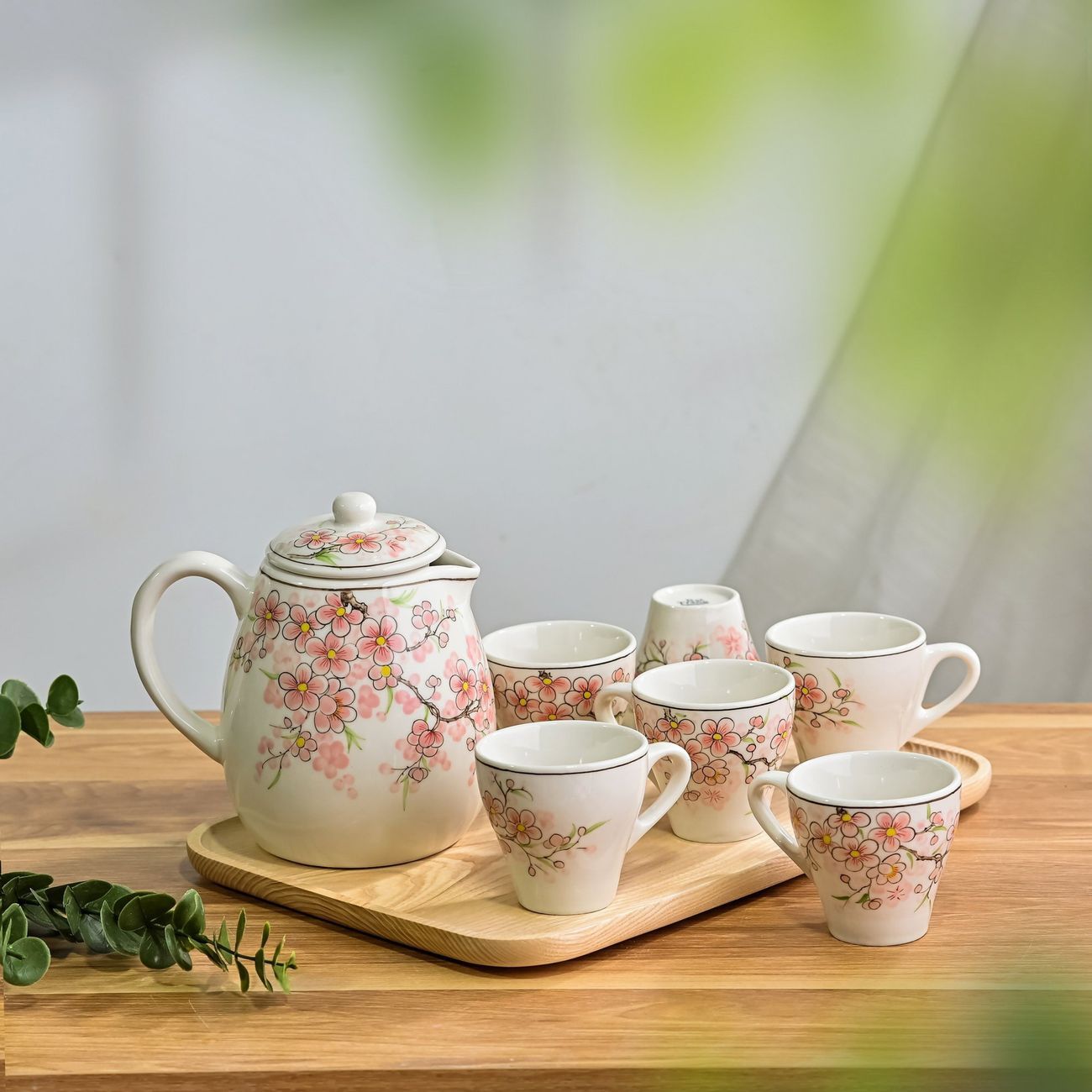
In a world that often values flawless perfection and sterile uniformity, there is a charming, centuries-old philosophy that quietly celebrates simplicity and raw honesty. This philosophy is known as Wabi-Sabi—a traditional Japanese aesthetic that finds deep beauty in the imperfect, impermanent, and incomplete. It is an invitation to look at our surroundings through a lens of acceptance, slowing down to appreciate the natural cycle of life. Today, one of the most tactile and popular ways to embody the Wabi-Sabi aesthetic is through the art of handmade ceramics.
Wabi-Sabi ceramics embrace a unique style that emphasizes the beauty of irregularities and the distinct, irreplaceable touch of human hands. These pieces of artisan pottery decor embody the very essence of this philosophy by celebrating cracks, subtle asymmetry, uneven glazes, and natural distortions. Instead of hiding these characteristics as flaws, the maker highlights them, showing that each piece tells its own story and is truly one-of-a-kind.
The Art of the Unfinished: Why Machine-Made Cannot Compete
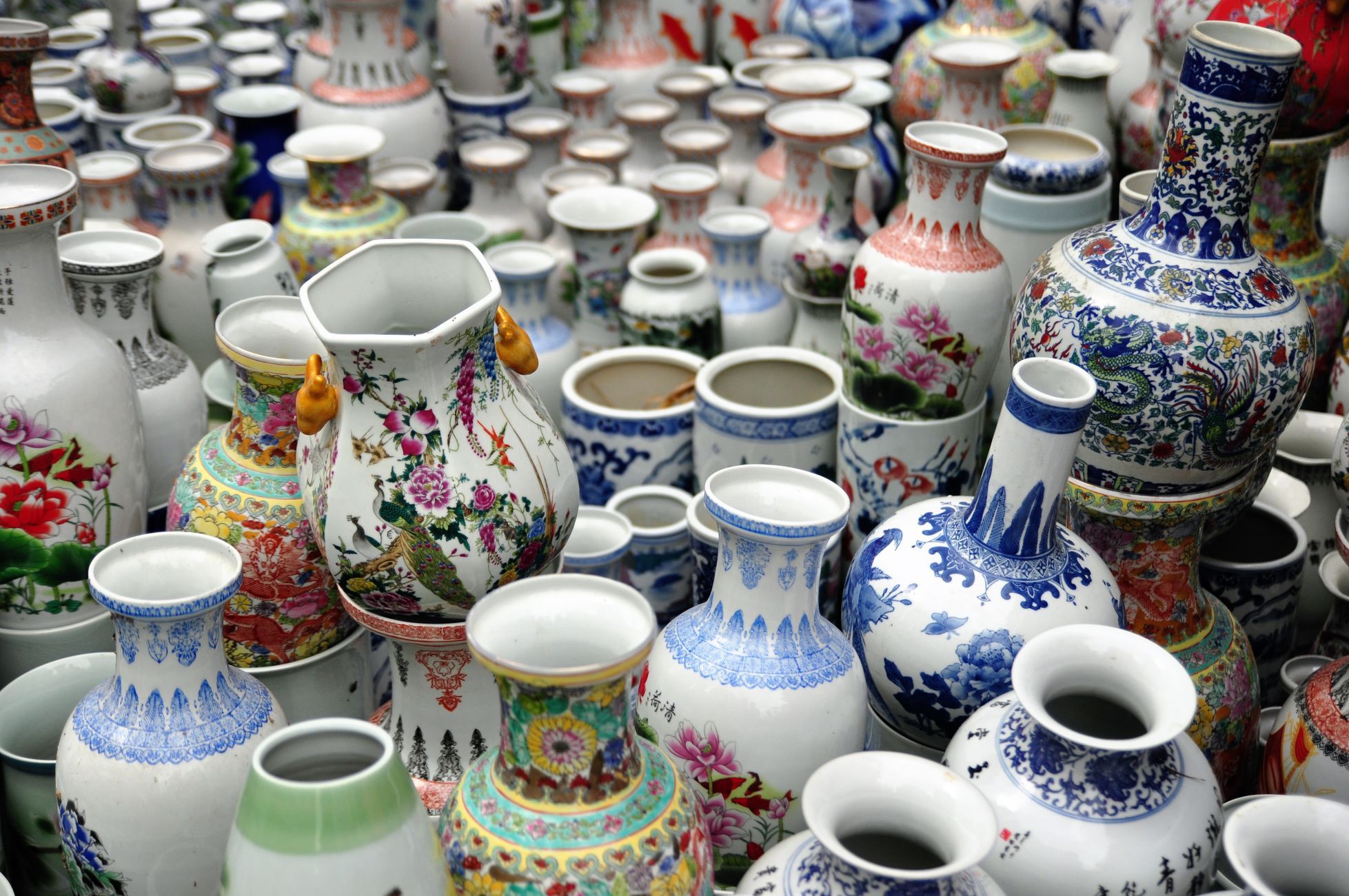
The universal appeal of Wabi-Sabi ceramics lies in their imperfect pottery style, which contrasts sharply with the mass-produced, flawless pieces commonly found in modern department stores. Factory-line plates and cups offer symmetry and predictability, but they often lack a soul.
In stark contrast, each artisanal clay cup, organic modern ceramic vase, and unique handmade plate carries the physical marks of the maker's hands. You can often feel the faint ridges left by the potter’s fingers as the wheel spun, or notice the unpredictable way the flame of the kiln kissed the raw glaze. This exudes a profound sense of warmth, texture, and authenticity that machine-made products simply cannot replicate.
Wabi-Sabi reminds us that nothing lasts, nothing is finished, and nothing is perfect. By surrounding ourselves with objects that reflect these truths, we develop a deeper resilience toward the chaos of modern life.
Transforming Living Spaces Into Oases of Serenity
When incorporated into a living space, Wabi-Sabi ceramics bring a tangible sense of serenity, grounding energy, and simplicity to the home. In modern interior design, where sleek lines and polished surfaces can sometimes feel cold or intimidating, raw clay provides a much-needed connection to the earth.
The minimalist pottery design serves as a visual and tactile reminder to appreciate the beauty of simplicity and to find joy in the everyday imperfections that surround us. There is an understated luxury in this approach:
-
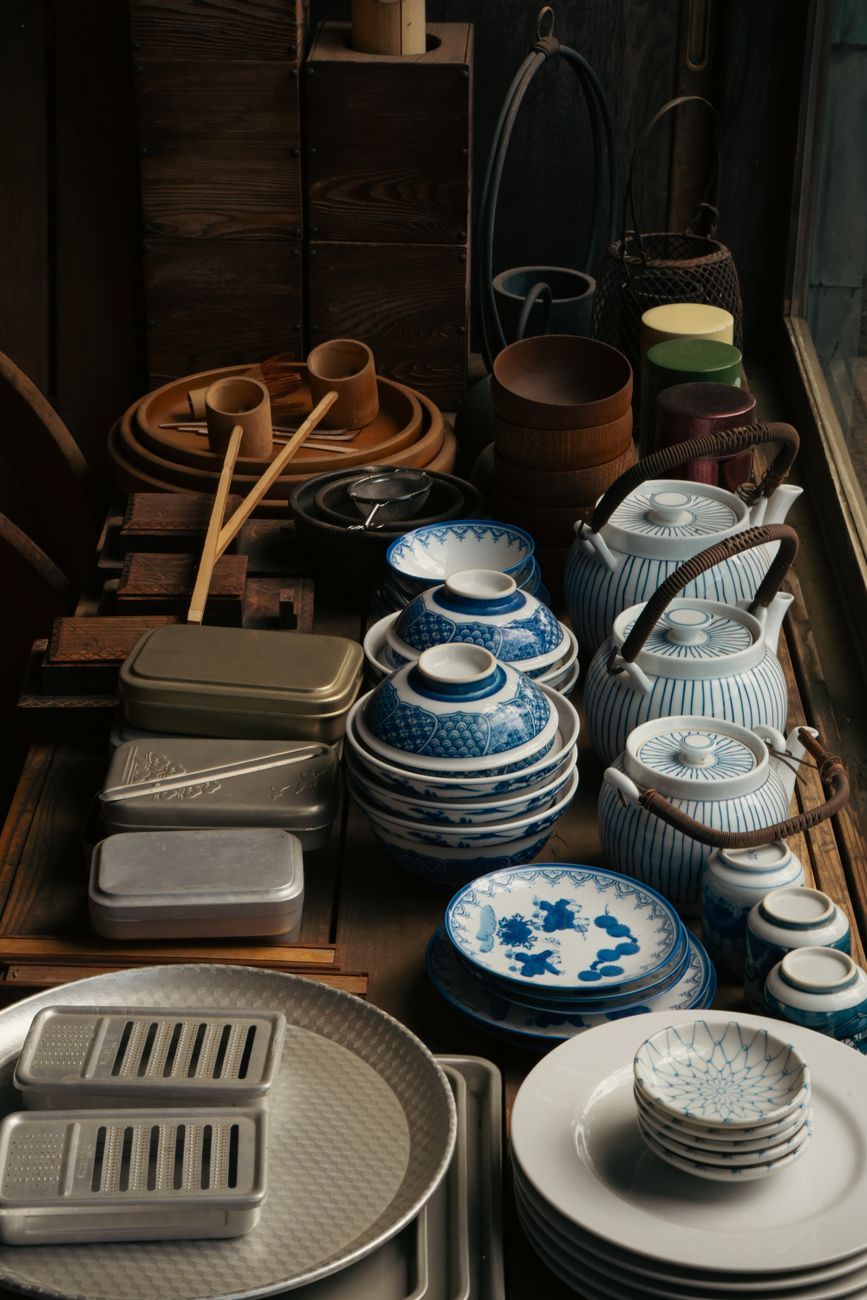
Open Shelving: Displaying mismatched bowls and rough-textured pitchers turns functional kitchen storage into a dynamic, living art gallery.
-
Daily Rituals: Pouring your morning espresso into a heavy, hand-pinched clay mug turns a mindless routine into an intentional act of mindfulness.
-
Rustic Accents: A single, asymmetrical ceramic vase holding a solitary dried branch creates a powerful focal point that embodies the spirit of less is more.
Curating an Authentic Collection with a Story
Creating a Wabi-Sabi-inspired home is not about buying a pre-packaged style from a catalogue; it is about curating a personal collection of pieces that speak directly to your soul. It is an intentional process that unfolds over time. By integrating unique handmade plates, bowls, and organic vessels into your kitchen and living rooms, you infuse your surroundings with a sense of history, patience, and a deep connection to the natural world.
One of the true hallmarks of Wabi-Sabi ceramics is their unique ability to blur the line between fine art and everyday function. While these pieces are undeniably beautiful as standalone sculptures, they are meant to be used, held, and weathered. They are designed to absorb the stains of time, the scratches of cutlery, and the gentle wear of daily washing.
The Fusion of Beauty and Utility
This seamless fusion of beauty and utility is a central tenet of the Wabi-Sabi philosophy. It gently encourages us to declutter our lives from meaningless objects and instead surround ourselves only with items that bring genuine joy, utility, and narrative meaning to our days.
A Lesson in Resilience: In Japan, when a cherished piece of pottery breaks, it is often repaired using a technique called Kintsugi—joining the broken pieces together with a lacquer dusted with powdered gold. The crack is not hidden; it is illuminated. This is Wabi-Sabi in its purest form: recognising that a broken history makes an object more beautiful, not less.
If you are looking to add a touch of authentic warmth, character, and timeless soul to your living space, consider stepping away from mass production and incorporating Wabi-Sabi ceramics into your home decor. These imperfect, handmade treasures have the quiet power to transform any room, infusing your environment with a lasting sense of peace, balance, and tranquillity that can only come from truly embracing the beauty of imperfection.