The Rewilding Movement: Designing an Aesthetic, Biodiversity-Friendly Garden
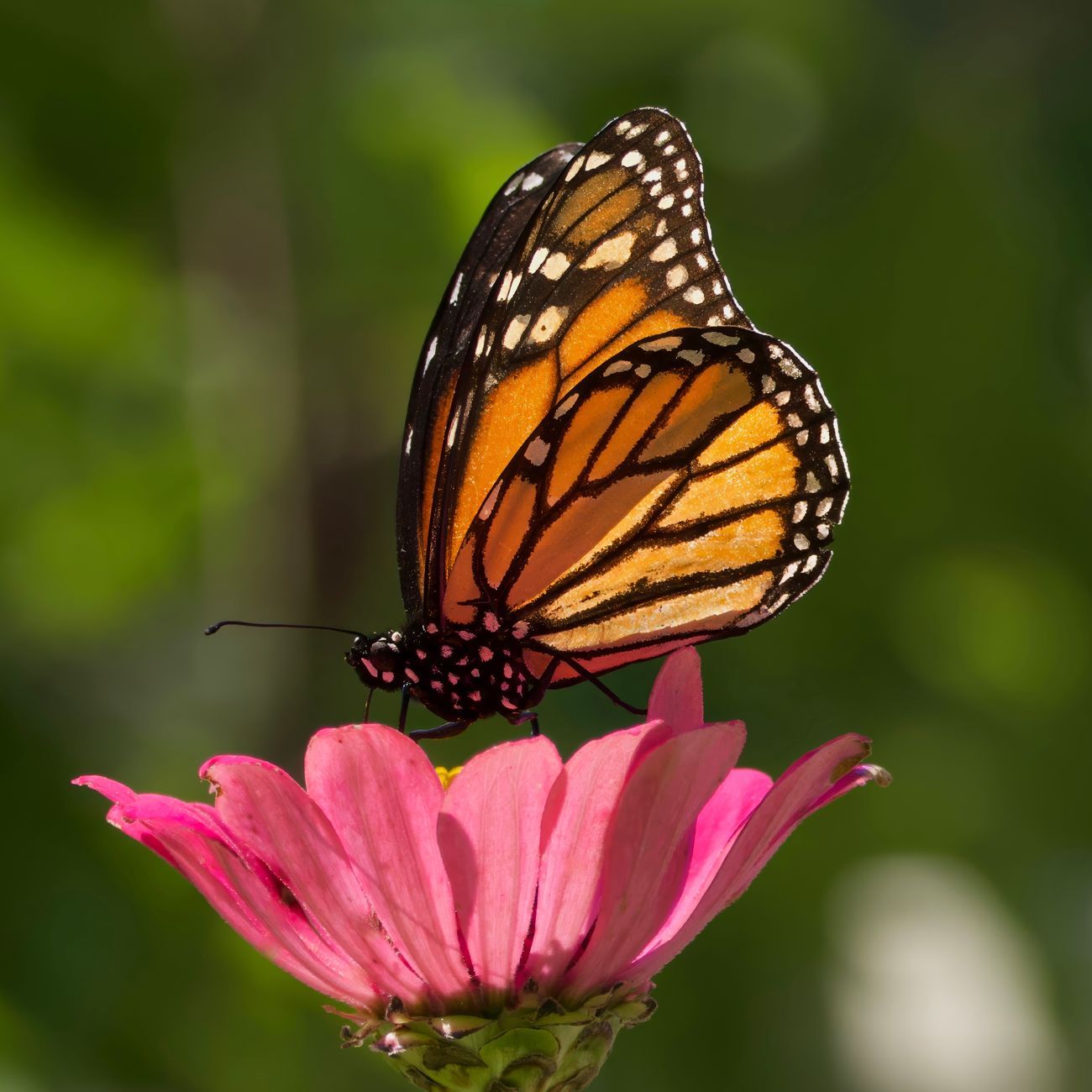
When it comes to modern gardening, there is a profound structural shift happening across the globe—a growing trend towards embracing the rewilding movement. For decades, traditional landscaping focused on domination over nature: pristine, chemically treated English lawns, perfectly symmetrical hedges, and sterile concrete patios. Rewilding completely flips this script. This movement focuses on creating gardens that not only look breathtakingly beautiful but also actively support local wildlife and return biodiversity to depleted suburban and urban soils. By consciously designing a rewilding garden, you can transform your outdoor space from a high-maintenance green desert into a thriving, self-sustaining ecosystem that provides sanctuary for a vast variety of plant and animal species.
The Foundation: Crafting a Biodiversity-Friendly Backyard
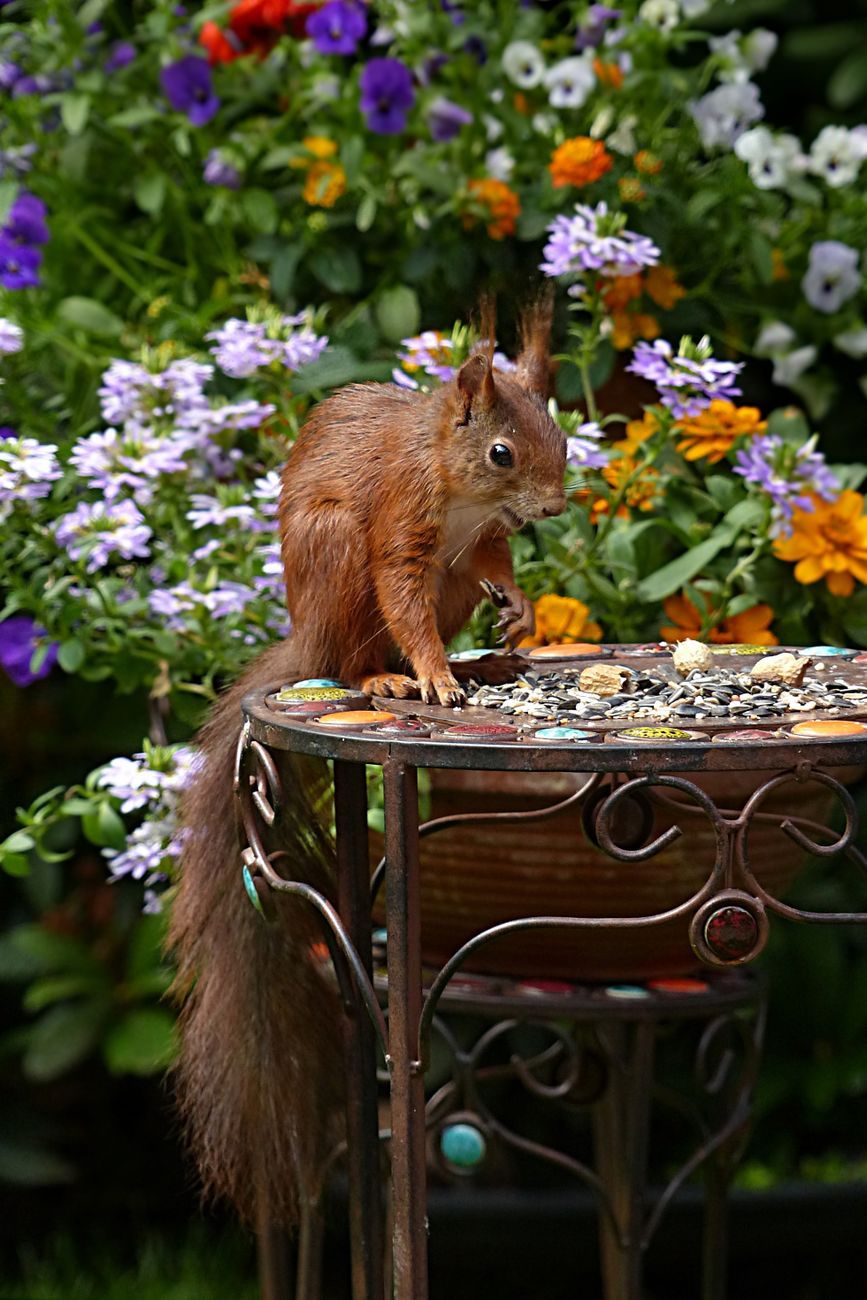
One of the foundational principles of rewilding garden design is to intentionally cultivate a biodiversity-friendly backyard. In practice, this means moving away from exotic, high-maintenance ornamental flora and instead incorporating a rich variety of native plants. Native species have co-evolved with local wildlife over thousands of years; they are uniquely equipped to attract and feed essential pollinators, local birds, and beneficial insects.
By planting a diverse, multi-layered range of flora—combining high-canopy native trees, structural shrubs, and ground-covering perennials—you build a resilient micro-climate. This botanical diversity helps support local ecosystems, regenerates degraded topsoil, and provides critical food networks and nesting materials for a wide array of species throughout changing seasons.
Practical Luxury: High-End Wildlife Gardening Tips
Integrating wildlife gardening tips into your initial landscape layout ensures that your environmental efforts yield tangible, living results. True luxury in a modern garden isn't defined by synthetic perfection, but by the presence of life.
-
Water Dynamics: Consider including elegant water features, such as sculptural stone bird baths or small, clear-water ponds with sloped edges. Water is the ultimate magnet for wildlife, offering a life-saving drinking and bathing resource for birds and dragonflies.
-
Architectural Shelters: You can seamlessly create structural habitat piles using natural logs, fallen branches, and raw river rocks. When tucked away behind structural grasses, these piles don't look messy; instead, they provide elegant, textured focal points while offering crucial, frost-free shelter for overwintering amphibians, small mammals, and vital decomposers.
Mimicking Nature: Embracing Naturalistic Landscapes
Another crucial aspect of rewilding garden design is creating a naturalistic landscape that mimics the effortless, untamed beauty of the wild world. This aesthetic approach relies on fluid lines, organic textures, and soft colour palettes rather than rigid, geometric borders.
A spectacular way to achieve this is by planting a dedicated wildflower meadow instead of a resource-heavy lawn. Watching a meadow sway in the wind brings a deep sense of slow living and serenity to the home. By allowing certain peripheral areas of your garden to grow wild and untamed, you mimic natural edge-of-forest ecosystems, creating transitional zones where wildlife naturally thrives.
Aesthetic Insect Hotels: Functional Art for the Garden
A Note on Functional Design: Ecological responsibility does not mean sacrificing visual harmony. Aesthetic insect hotels are a brilliant example of how sustainable engineering can double as minimalist outdoor art.
Constructed from clean, geometric wooden frames and packed tightly with varied natural materials like hollow bamboo reeds, pinecones, and drilled clay blocks, these structures become striking architectural elements. Far from being an eyesore, a well-designed insect hotel provides crucial nesting cavities for solitary bees, lacewings, and ladybirds. These beneficial insects act as a natural pest-control army, eliminates the need for toxic chemical pesticides, and maintains a perfectly balanced ecosystem right outside your window.
The Longevity of Native Plant Landscaping
Native plant landscaping is absolutely essential for creating a sustainable garden aesthetic that effortlessly endures climate shifts. When you choose trees, shrubs, and flowers native to your specific geographic region, you work with nature rather than against it.
Because these plants are perfectly adapted to the local rainfall patterns, soil conditions, and winter temperatures, they require significantly less supplemental watering, zero chemical fertilisers, and minimal pruning once established. This creates a deeply rooted, low-maintenance landscape that remains vibrant and structurally beautiful year after year, saving valuable personal time and natural resources.
Nurturing a Dedicated Wildlife Habitat Garden
Ultimately, the peak of the rewilding philosophy is realised in a dedicated wildlife habitat garden. This type of space is meticulously designed to cover the four pillars of wildlife survival: clean food, accessible water, protective shelter, and safe breeding sites.
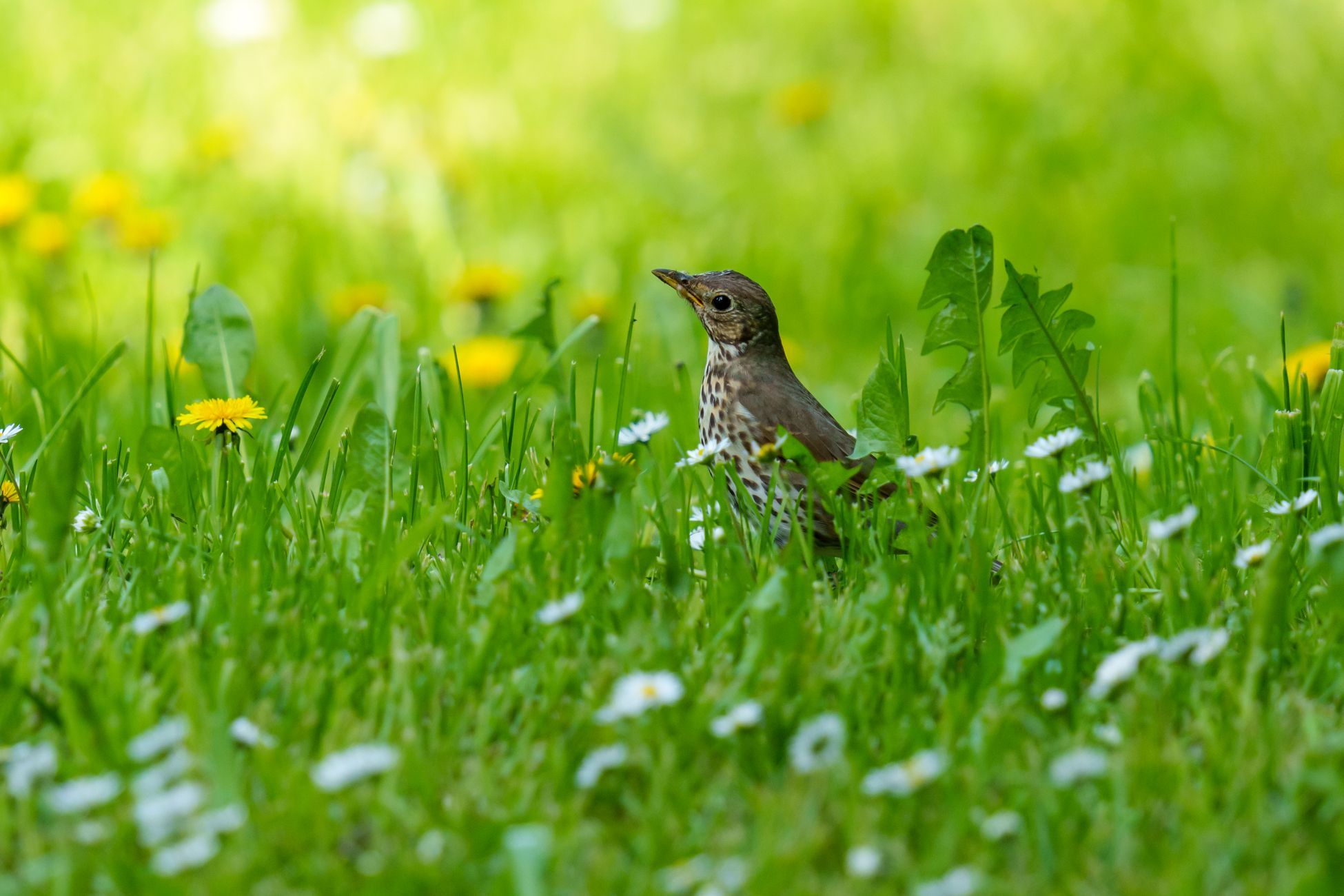
By intentionally curating a welcoming habitat, you actively heal the fractured green corridors of our modern towns and cities. The reward is deeply therapeutic: your garden becomes a living theatre where you can enjoy the morning songs of native birds, watch the quiet choreography of butterflies, and reconnect with the healing rhythms of the natural world.
Conclusion: A Conscious Legacy Under Open Skies
In conclusion, designing a rewilding garden is an incredibly rewarding, deeply grounding, and environmentally conscious way to curate a beautiful outdoor living space. By implementing thoughtful wildlife gardening tips, prioritising native plant landscaping, and integrating artistic habitat features, you step into the role of a true caretaker of the land. Elevate your garden into a vibrant, biodiverse sanctuary, and embrace an outdoor lifestyle that beautifully supports the health, balance, and quiet majesty of the wild world around you.