The Privacy Camera: How 2026 Gadgets Use On-Device AI To Protect Your Metadata
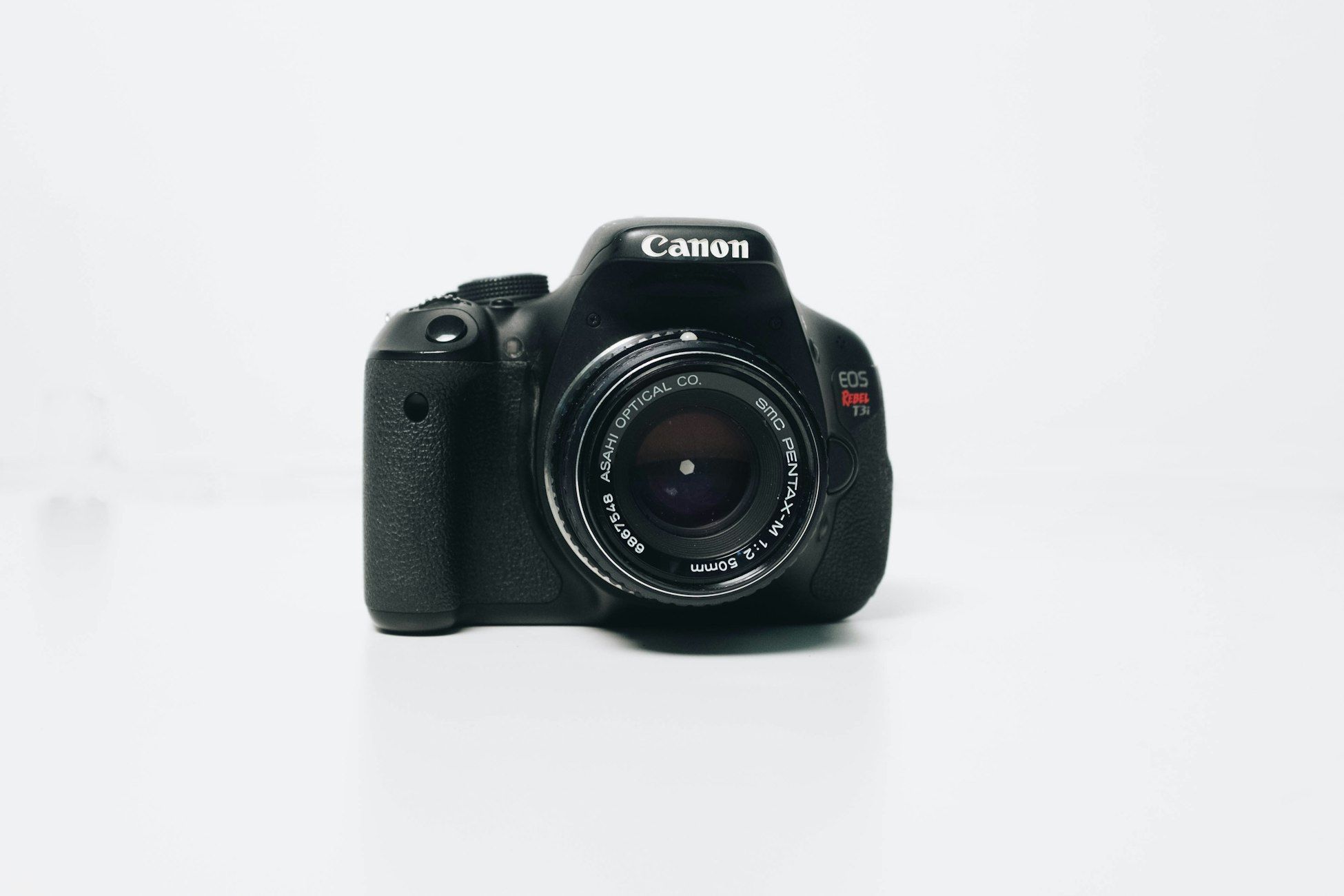
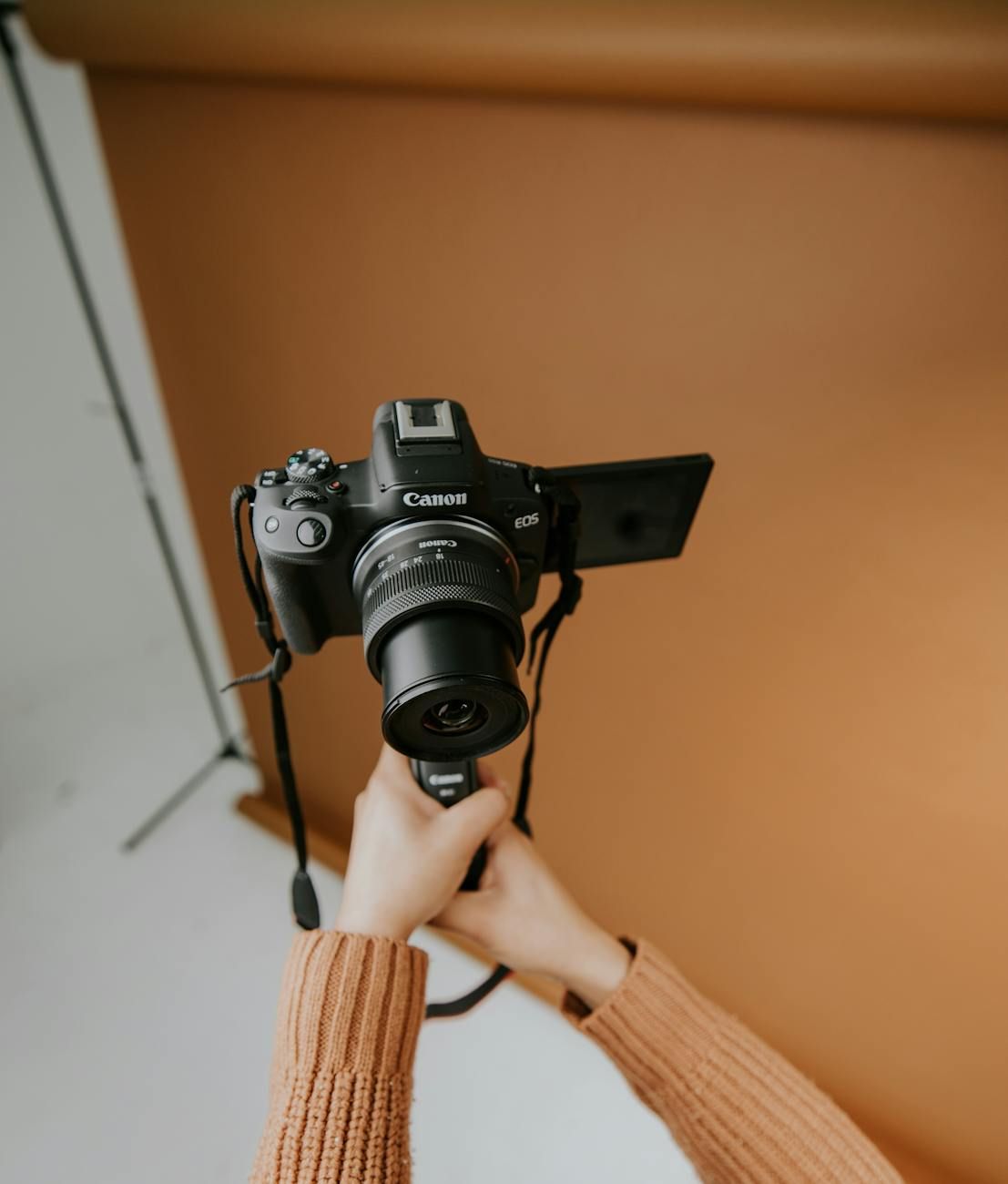
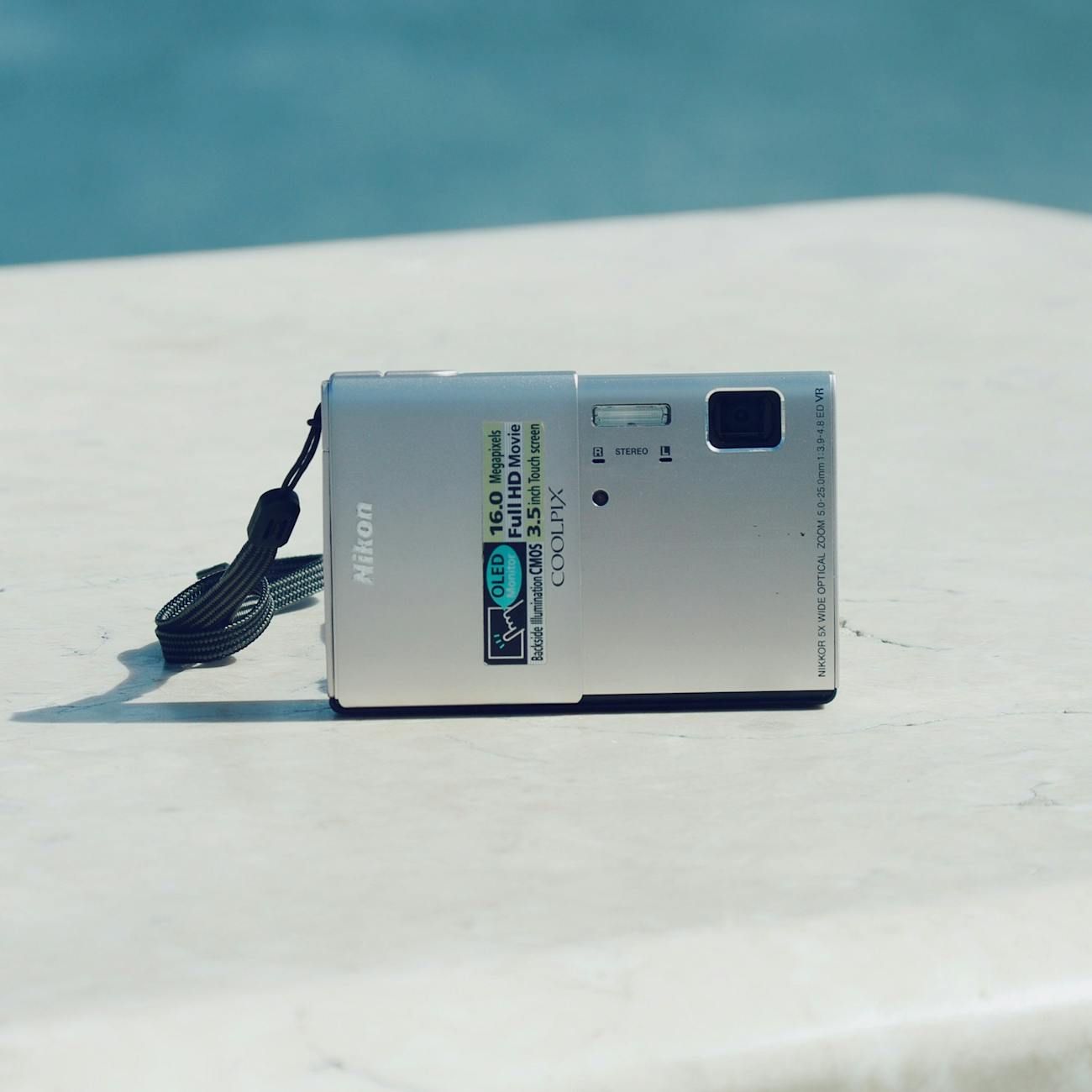
In the ever-evolving world of technology, the year 2026 promises to bring a groundbreaking development in the form of the privacy camera. These innovative gadgets are set to revolutionise the way we think about digital imaging by integrating on-device artificial intelligence (AI) to safeguard not only the visual content we capture but also the hidden layers of data that accompany it—our metadata, behavioural patterns, and contextual traces.
Unlike traditional cameras that simply record images and store them in relatively exposed formats, privacy cameras of this new generation are designed with a “privacy-first architecture.” This means that security is not an add-on feature but a core principle embedded directly into both the hardware and software. As digital ecosystems become increasingly interconnected—spanning social media platforms, cloud storage services, and smart devices—the risk of unintended data exposure grows significantly. The privacy camera directly addresses this issue by minimising what data ever leaves the device in the first place.
Privacy is a growing concern in the digital age, with data breaches, unauthorised surveillance, and metadata exploitation becoming increasingly common. Even when images appear harmless, embedded information such as GPS coordinates, device identifiers, and timestamps can be used to reconstruct a person’s habits, location history, and social connections. The privacy camera of 2026 aims to eliminate these risks by using on-device AI to analyse, process, and sanitise data in real time, ensuring that sensitive information never becomes vulnerable to external interception.
One of the key features of the privacy camera is its ability to provide secure digital imaging through end-to-end encryption performed directly at the point of capture. Instead of storing raw, unprotected files, the camera instantly encrypts photos and videos before they are saved. This approach ensures that even if storage media is compromised, the visual data remains unreadable without proper authorisation keys. In some implementations, access permissions can even be dynamically managed by the user, allowing selective sharing with time-limited or view-only controls.
Furthermore, the privacy camera of 2026 incorporates advanced AI-driven anonymisation tools such as intelligent face blurring and object masking. Unlike basic filters, these systems understand context: they can distinguish between primary subjects, background individuals, and sensitive elements like licence plates or documents. This allows users to automatically obscure identities in crowded environments, public demonstrations, or journalistic settings while preserving the artistic or informational value of the image.
Another important aspect of the privacy camera is its encrypted camera ecosystem, which extends security beyond the device itself. Accessories such as lenses, storage modules, and even connected mobile apps participate in a unified encryption protocol. This ensures that data remains protected throughout its entire lifecycle—from capture to storage to sharing. In professional environments such as healthcare, law enforcement, and investigative journalism, this level of protection is especially critical.
Moreover, the privacy camera of 2026 goes a step further by anonymising photo metadata at the source. Instead of merely allowing users to disable geotagging, these systems actively reconstruct metadata into non-identifiable formats or remove it entirely unless explicitly required. Some models even introduce “privacy layers,” where users can choose between different levels of metadata exposure depending on the intended use of the content. This granular control empowers individuals to manage their digital footprint with unprecedented precision.
Beyond technical features, the rise of privacy cameras also reflects a broader cultural shift in how society values digital autonomy. As awareness grows about surveillance capitalism and data monetisation practices, consumers are increasingly demanding tools that prioritise ownership and control over personal information. Privacy cameras represent a response to this demand, positioning themselves as ethical alternatives in a market long dominated by convenience over security.
However, this technology also raises important challenges. Striking a balance between privacy and accountability is not trivial. For instance, overly aggressive anonymisation could complicate legitimate use cases such as security investigations or content moderation. Similarly, strong encryption systems may face resistance from regulatory frameworks that require data access under specific legal conditions. As a result, the development of privacy cameras is likely to involve ongoing debates between technologists, policymakers, and civil rights advocates.
In conclusion, the privacy camera of 2026 represents a significant advancement in the field of secure visual data management. By leveraging on-device AI, hardware-level encryption, and intelligent metadata control, these devices redefine what it means to capture and share images in a connected world. With capabilities such as adaptive face anonymisation, encrypted hardware ecosystems, and metadata sanitisation, privacy cameras are poised to become essential tools for anyone seeking to maintain control over their digital identity in the modern age.