Sourdough Therapy: The Slow Art of Baking Bread as a Mindful Daily Practice
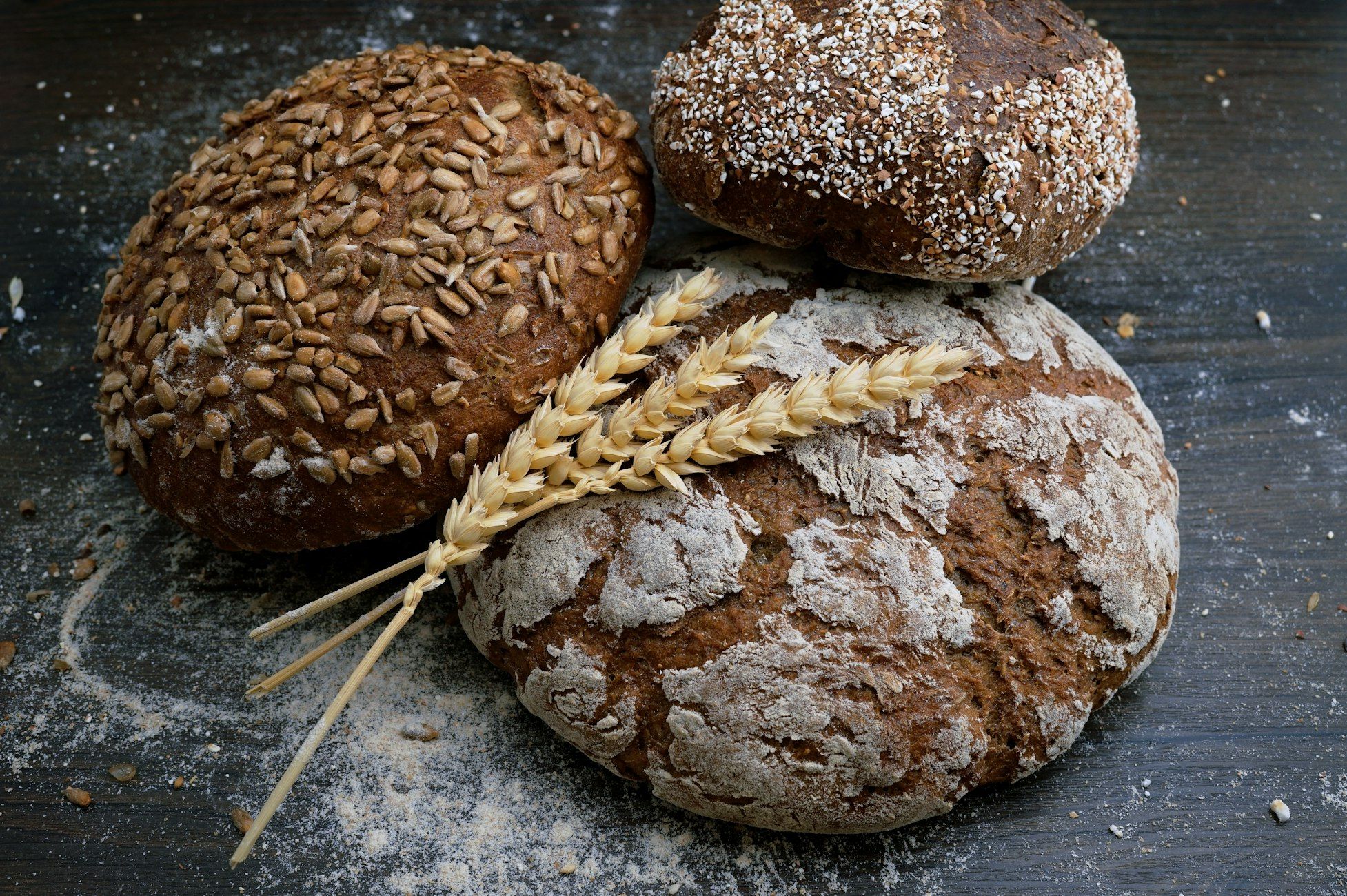
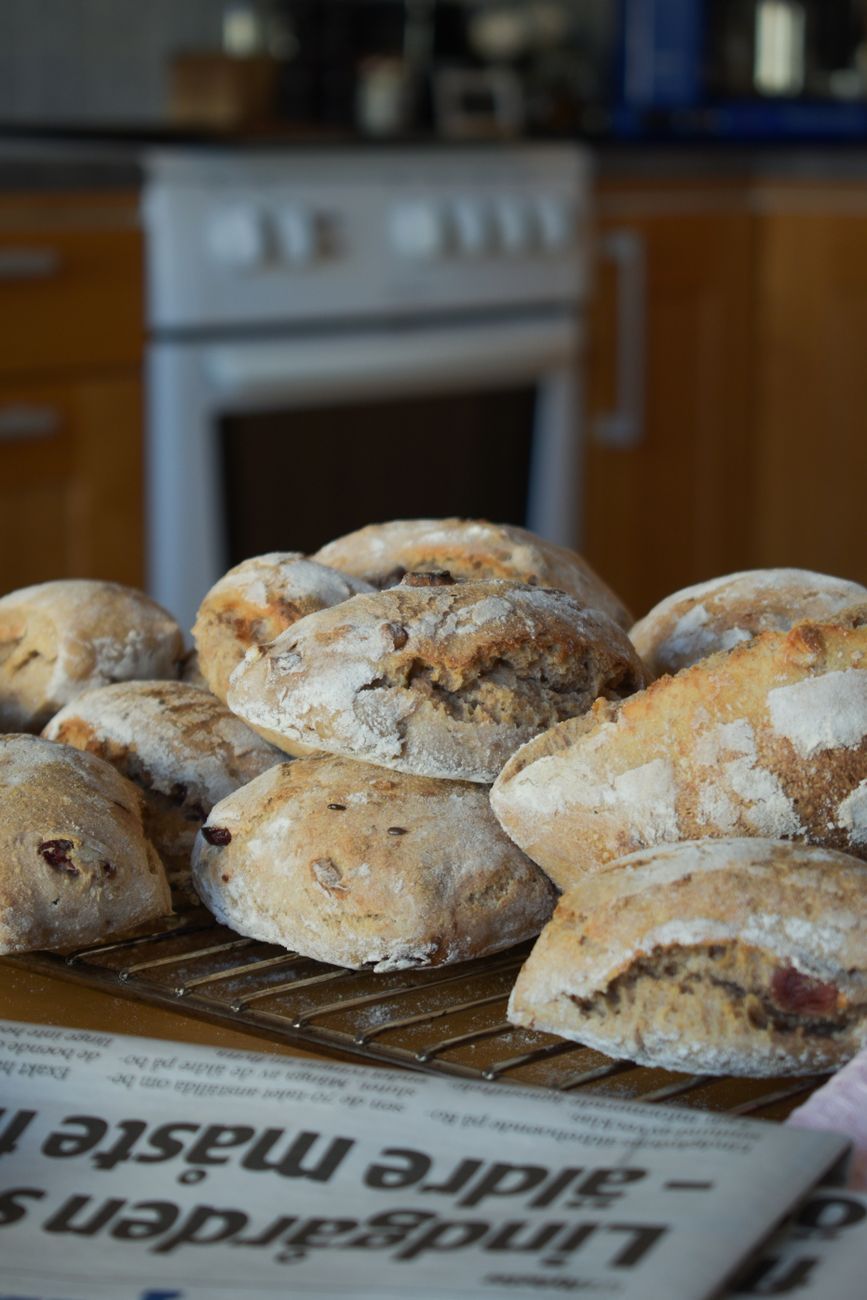

In the fast-paced world we live in, finding moments of calm and mindfulness can be a challenge. However, there is a slow and deliberate practice that has been gaining popularity in recent years - sourdough bread baking. This artisanal craft not only results in delicious loaves but also serves as a therapeutic daily ritual for many individuals. Let's delve into the world of sourdough therapy and explore how baking bread can be a mindful practice in our hectic lives.
The art of sourdough bread baking goes beyond just creating a loaf of bread. It involves nurturing a homemade sourdough starter, which is a living culture of wild yeast and bacteria. This starter becomes a part of your daily routine, requiring regular feedings and attention. The process of caring for the starter and using it to bake bread creates a sense of connection and responsibility, much like tending to a garden.
One of the key aspects of mindful baking practice is the concept of slow living recipes. Unlike commercial yeast bread that can be made quickly, sourdough bread requires time and patience. The fermentation process, which is crucial for developing the flavour and texture of the bread, takes several hours to days. This slow pace forces bakers to slow down and appreciate each step of the baking process, from mixing the ingredients to waiting for the dough to rise.
As you knead the hand-kneaded dough, you engage in a kitchen mindfulness ritual that allows you to focus on the present moment. The repetitive motions of kneading can be meditative, helping you to centre your thoughts and immerse yourself in the act of creation. Each fold and stretch of the dough becomes a way to release tension and stress, promoting a sense of calm and relaxation.
Another therapeutic aspect of sourdough bread baking is the practice of rustic bread scoring. Scoring is the art of creating decorative patterns on the surface of the dough before baking. This not only enhances the visual appeal of the bread but also allows the dough to expand properly in the oven. The process of scoring requires focus and precision, encouraging bakers to slow down and pay attention to the details.
When it comes to ingredients, using organic flour in your baking not only ensures a higher quality product but also promotes sustainability and environmental consciousness. By choosing organic flour, you are supporting eco-friendly practices that benefit both the planet and your health. The simple act of selecting wholesome ingredients can add an extra layer of mindfulness to your baking practice.
In conclusion, sourdough therapy is more than just a way to make bread. It is a mindful daily practice that allows individuals to slow down, connect with the present moment, and create something beautiful with their hands. Whether you are a seasoned baker or a novice, incorporating sourdough bread baking into your routine can bring a sense of peace and fulfilment to your life. So, roll up your sleeves, dust off your apron, and embark on a journey of kitchen mindfulness with the art of sourdough bread baking.