Why Does Restaurant Food Taste Better Than Homemade Meals? 7 Secrets of Professional Chefs
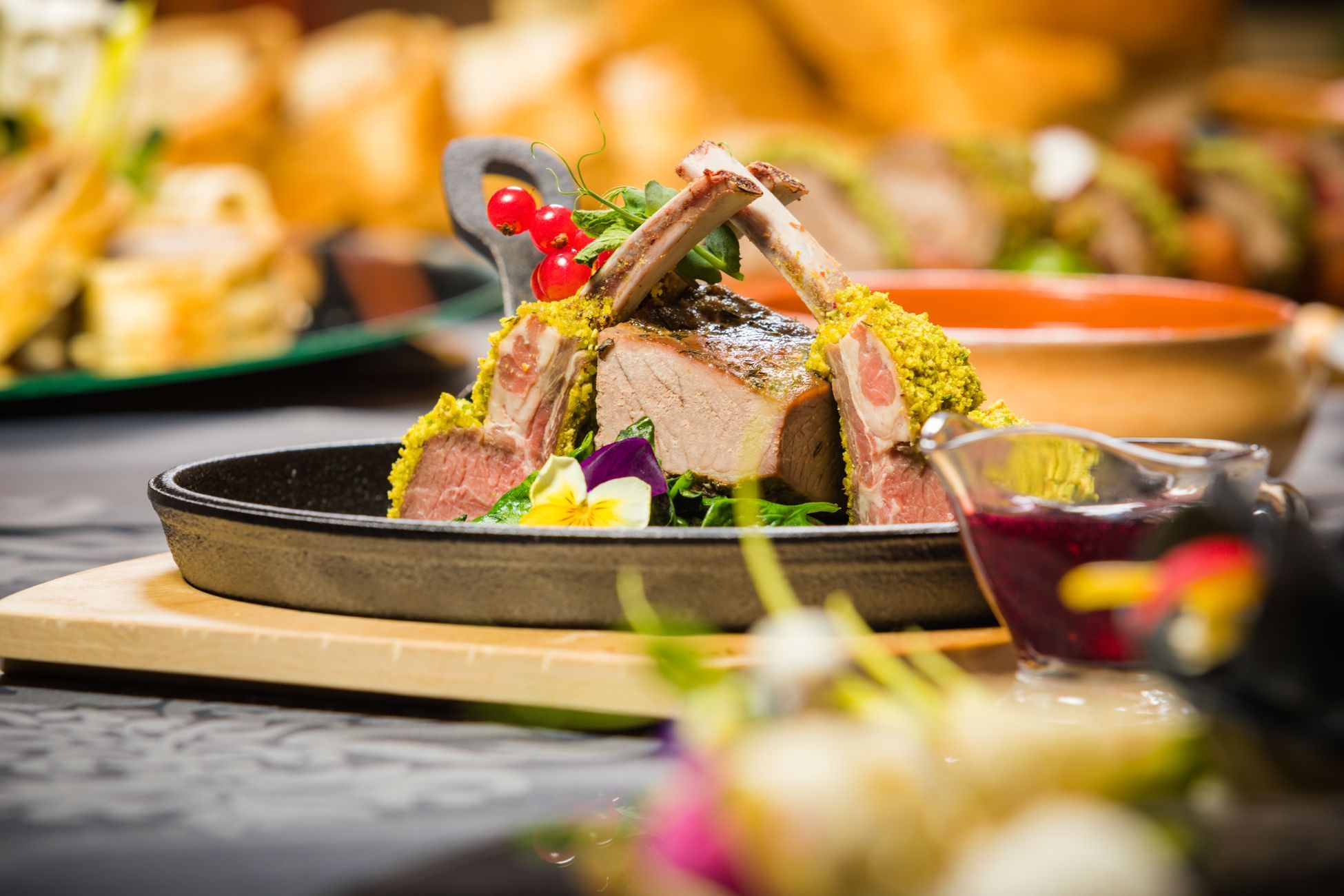

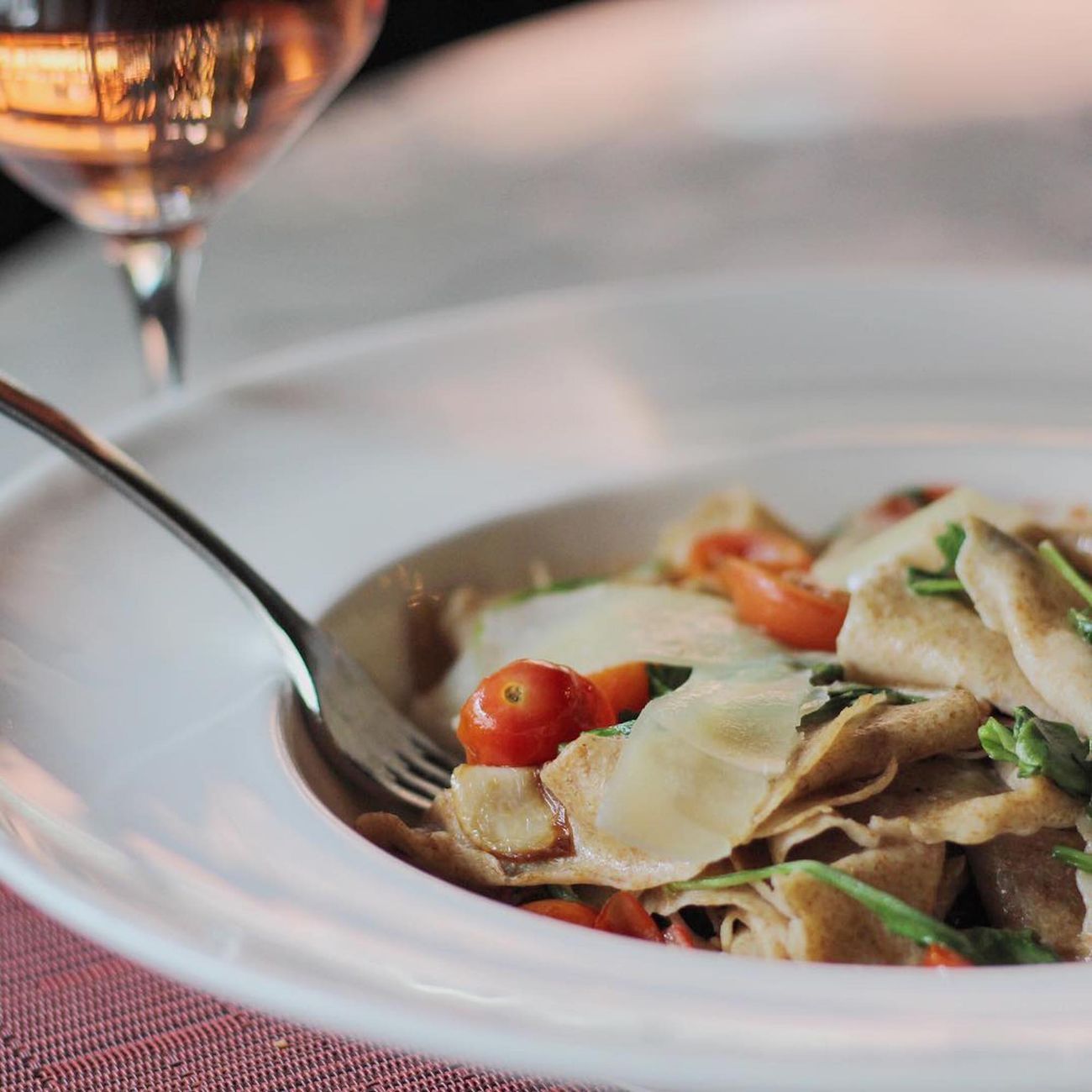
Many people wonder why restaurant food tastes better, even when a dish seems simple enough to make at home. The difference usually isn’t a secret ingredient or a fancier recipe. It comes from habits and decisions that professional cooks repeat every day. These restaurant food secrets can help you understand the restaurant vs homemade food gap—and bring restaurant-quality meals at home within reach.
1. They season in layers
Chefs don’t wait until the end to add salt. They season ingredients as they cook, tasting along the way so each layer has flavour. A little salt on vegetables, meat, or pasta water can make a noticeable difference. Start modestly, taste, and adjust rather than adding a large amount all at once.
2. They use enough heat
A crowded pan cools down quickly, causing food to steam instead of brown. Restaurants often have powerful burners, but home cooks can get better results by preheating the pan and cooking in batches. Dry ingredients before searing, and give them room. Deep browning creates savoury aromas and complexity that pale, steamed surfaces lack.
3. They aren’t afraid of fat
Butter, oil, cream, and rendered meat fat carry flavour and improve texture. Restaurants may use more than a home cook expects, especially to finish sauces and vegetables. You don’t need to pour freely: add a small amount where it matters, such as butter whisked into a sauce or olive oil over roasted vegetables. Balance richness with freshness and acidity.
4. They build flavour with a good base
Onion, garlic, herbs, spices, browned meat, and pan drippings can form the foundation of a dish. Professional chef techniques often include deglazing: adding wine, stock, or water to a hot pan and scraping up browned bits. Those bits are concentrated flavour. A quick pan sauce can turn an ordinary weeknight dinner into something special.
5. They use acid for balance
If food tastes heavy, flat, or overly rich, it may need brightness rather than more seasoning. A squeeze of lemon, a splash of vinegar, or a spoonful of pickled vegetables can wake up a dish. This is one of the simplest flavour enhancement techniques, and it works in soups, sauces, salads, and roasted foods. Add a little, taste, then decide whether to add more.
6. They prepare before cooking
Chefs organise ingredients and tools before the heat goes on. This practice, often called mise en place, prevents rushed chopping and forgotten steps. It also helps you focus on timing, which matters when several components need to finish together. Among the most useful cooking tips from chefs, preparation is unglamorous—but it makes cooking calmer and more consistent.
7. They finish with care
Resting meat, tossing pasta with its sauce, and adding fresh herbs at the end all improve the final result. Chefs also pay attention to temperature and presentation: warm plates keep food hot, while a crisp garnish adds contrast. Small chef cooking tricks like these make a meal feel complete without requiring complicated equipment.
Bring the restaurant approach home
The secrets of professional cooking are mostly about attention: season gradually, control heat, build a flavourful base, and taste before serving. You don’t have to copy restaurant portions of salt or fat to improve home cooking. Choose one technique to practise at a time, and you’ll find that everyday ingredients can deliver deeper, more balanced flavour. That’s the real answer to why restaurant food tastes better—and a practical path to making your own meals shine.