PC Cooling System: Air vs Liquid Cooling
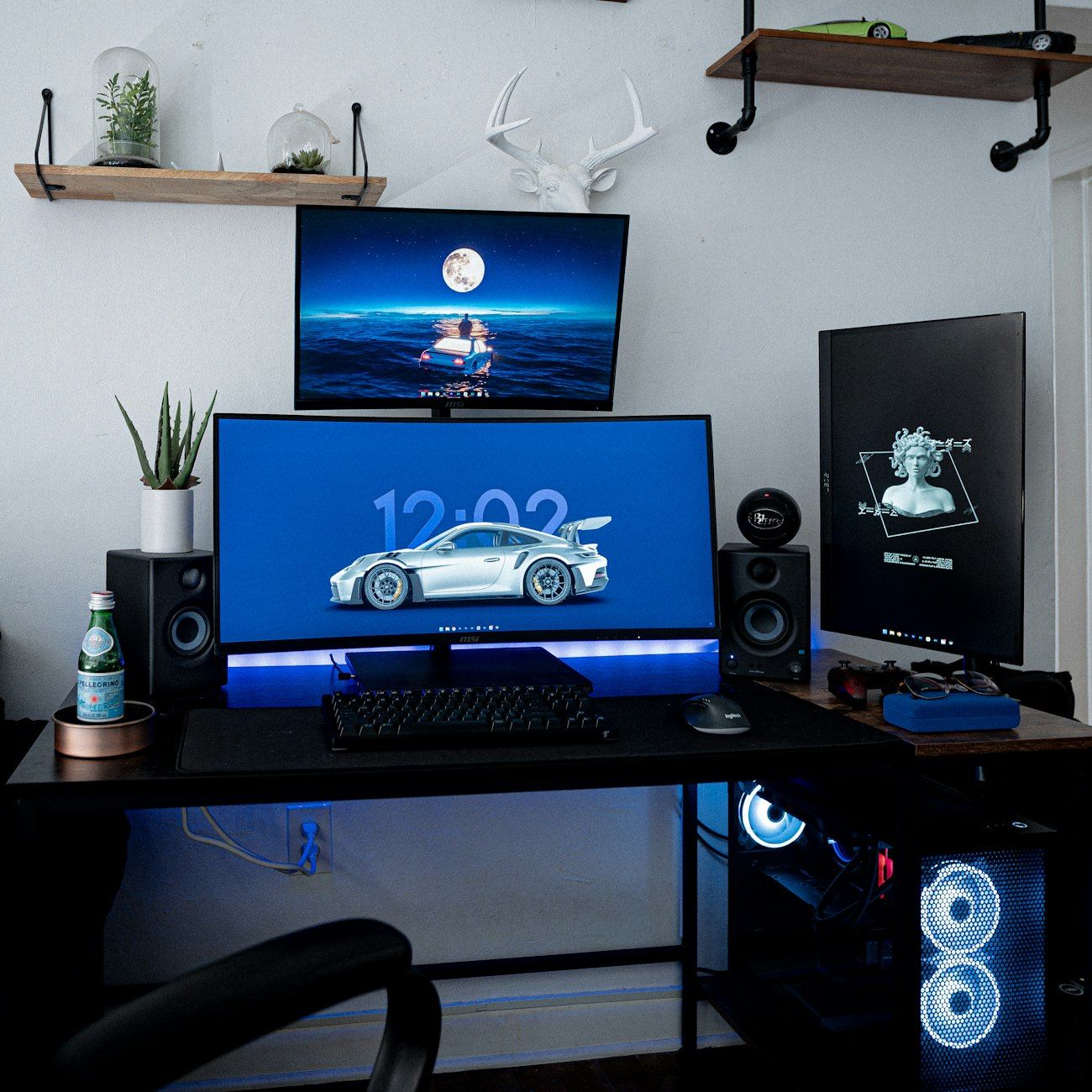
Welcome to the ultimate guide on PC cooling systems! When it comes to keeping your computer running smoothly, the cooling system is a crucial component to consider. In this article, we will delve into the world of PC cooling, specifically comparing air cooling versus liquid cooling solutions.
Air Cooling
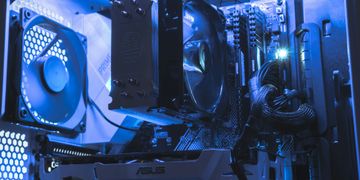
Air cooling is the most common and traditional method of cooling a PC. It involves using a combination of fans and heat sinks to dissipate heat from the CPU and other components. Air coolers are typically affordable and easy to install, making them a popular choice among casual users and budget-conscious builders.
One of the main advantages of air cooling is its simplicity. There are no complex plumbing systems or risk of leaks, making it a reliable option for those new to PC building. Air coolers also come in a variety of sizes and designs, allowing users to choose one that best fits their case and aesthetic preferences.
However, air cooling does have its limitations. While it is sufficient for most users, high-performance systems such as gaming PCs may struggle to keep temperatures in check under heavy load. Additionally, air coolers can be bulky and may obstruct RAM slots or other components depending on their size.
Liquid Cooling
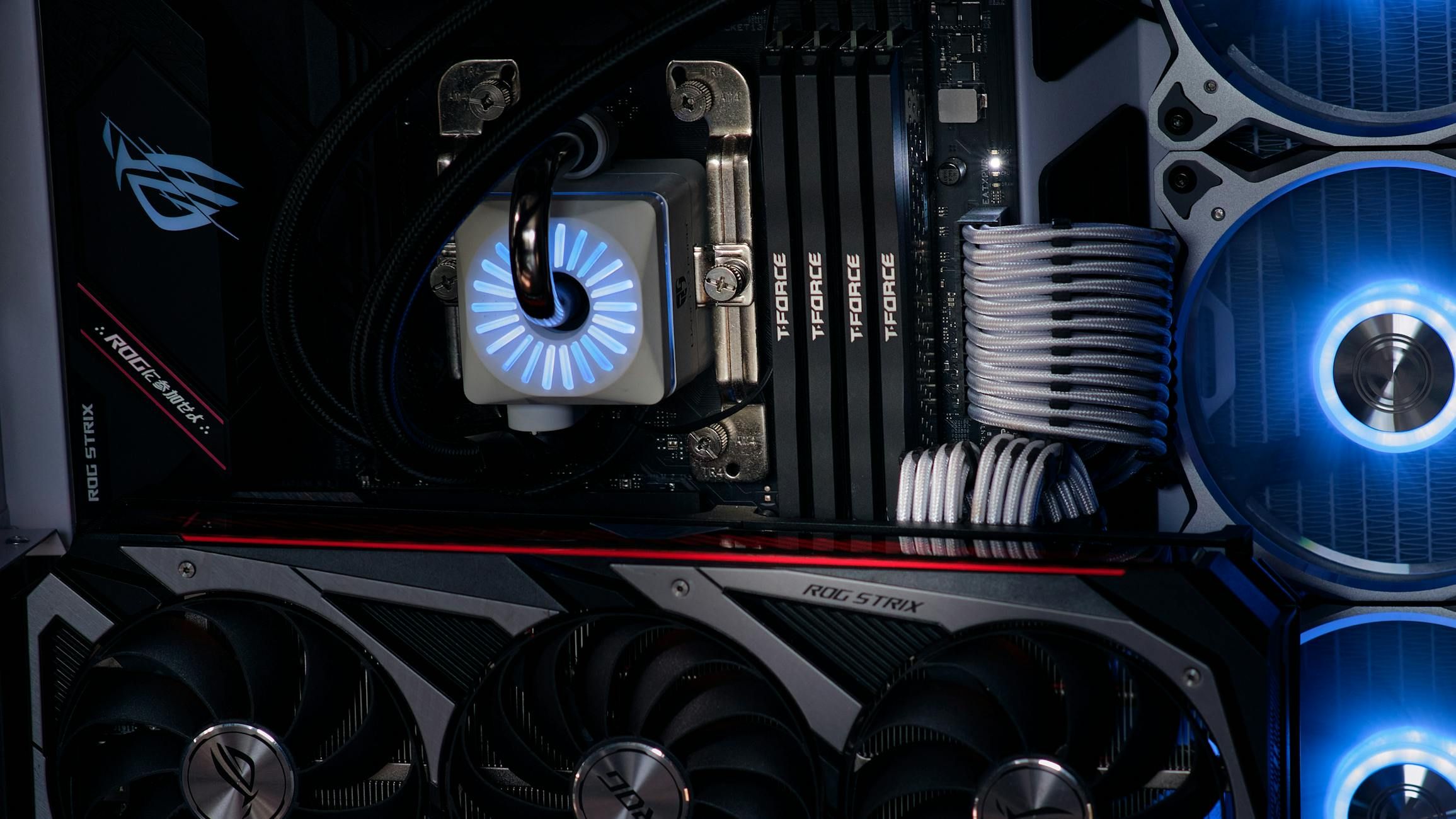
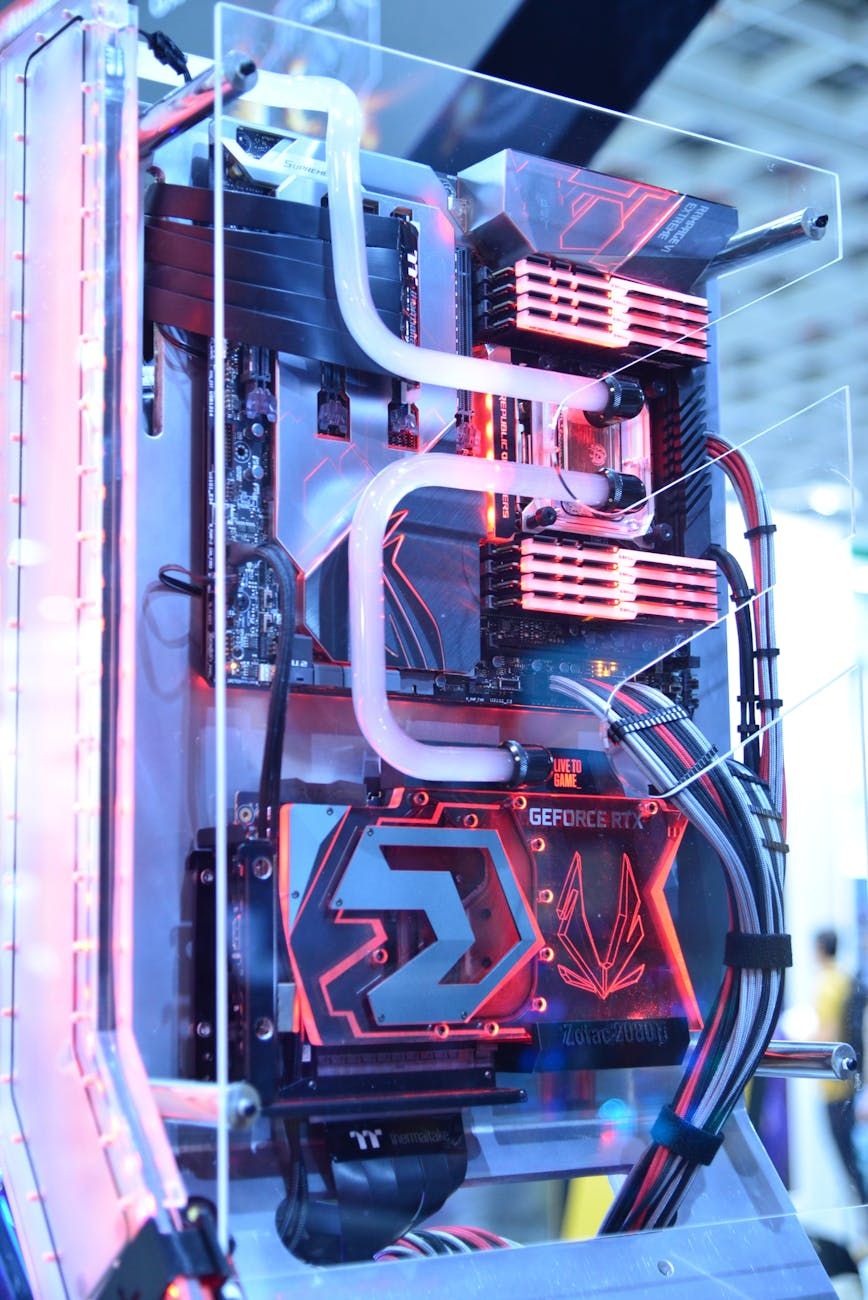
Liquid cooling, on the other hand, offers superior thermal management compared to air cooling. This method uses a pump to circulate coolant through a series of tubes and a radiator to dissipate heat. Liquid coolers are known for their efficiency in keeping temperatures low, making them ideal for overclocking and high-performance computing.
One of the key advantages of liquid cooling is its ability to maintain consistent temperatures even under heavy workloads. This can result in better performance and longevity of your components, particularly your CPU. Liquid coolers are also quieter than air coolers, as they do not rely on fans running at high speeds to dissipate heat.
However, liquid cooling systems can be more expensive and complex to install compared to air coolers. There is also a risk of leaks, although modern systems are designed to minimise this possibility. Maintenance may also be required to ensure the system remains in optimal condition.
Which is the Best PC Cooling System?
When it comes to choosing between air cooling and liquid cooling for your PC, the best option depends on your specific needs and preferences. Air cooling is a reliable and cost-effective choice for most users, offering adequate cooling performance for everyday computing tasks.
On the other hand, liquid cooling is ideal for users who demand the best possible thermal management for their high-performance systems, such as gaming PCs or workstations. While it may require a higher initial investment and more maintenance, the benefits in terms of temperature control and system longevity can be well worth it.
In conclusion, both air cooling and liquid cooling have their pros and cons. Ultimately, the decision should be based on your budget, technical expertise, and performance requirements. Whichever option you choose, proper cooling is essential for ensuring the optimal functioning of your computer and extending its lifespan.
We hope this guide has helped you better understand the differences between air cooling and liquid cooling systems. Whether you opt for a traditional air cooler or a cutting-edge liquid cooling setup, a well-maintained cooling system is key to keeping your PC running smoothly for years to come.