Human‑Centric Lighting: How Light Affects Mood, Health & Productivity
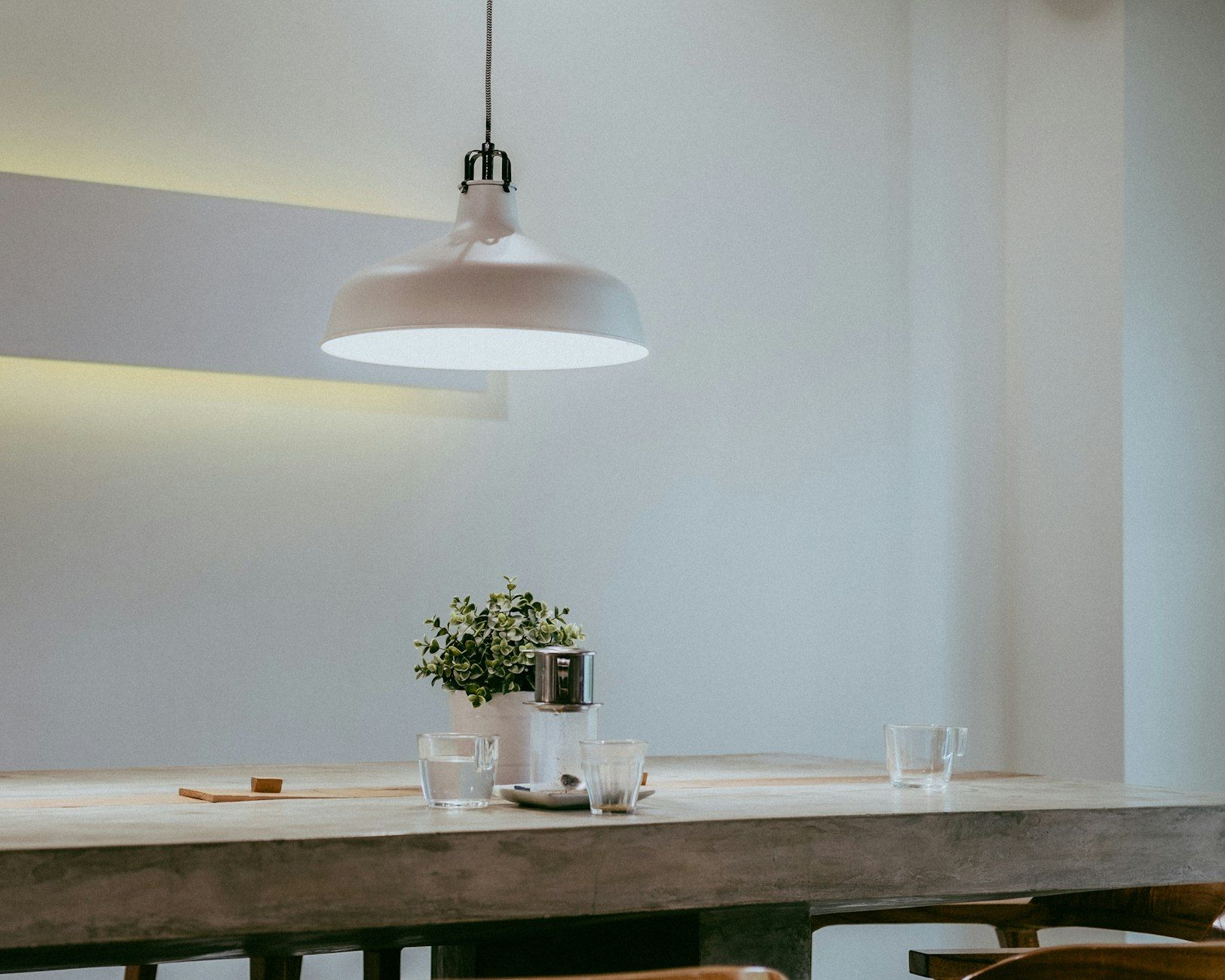
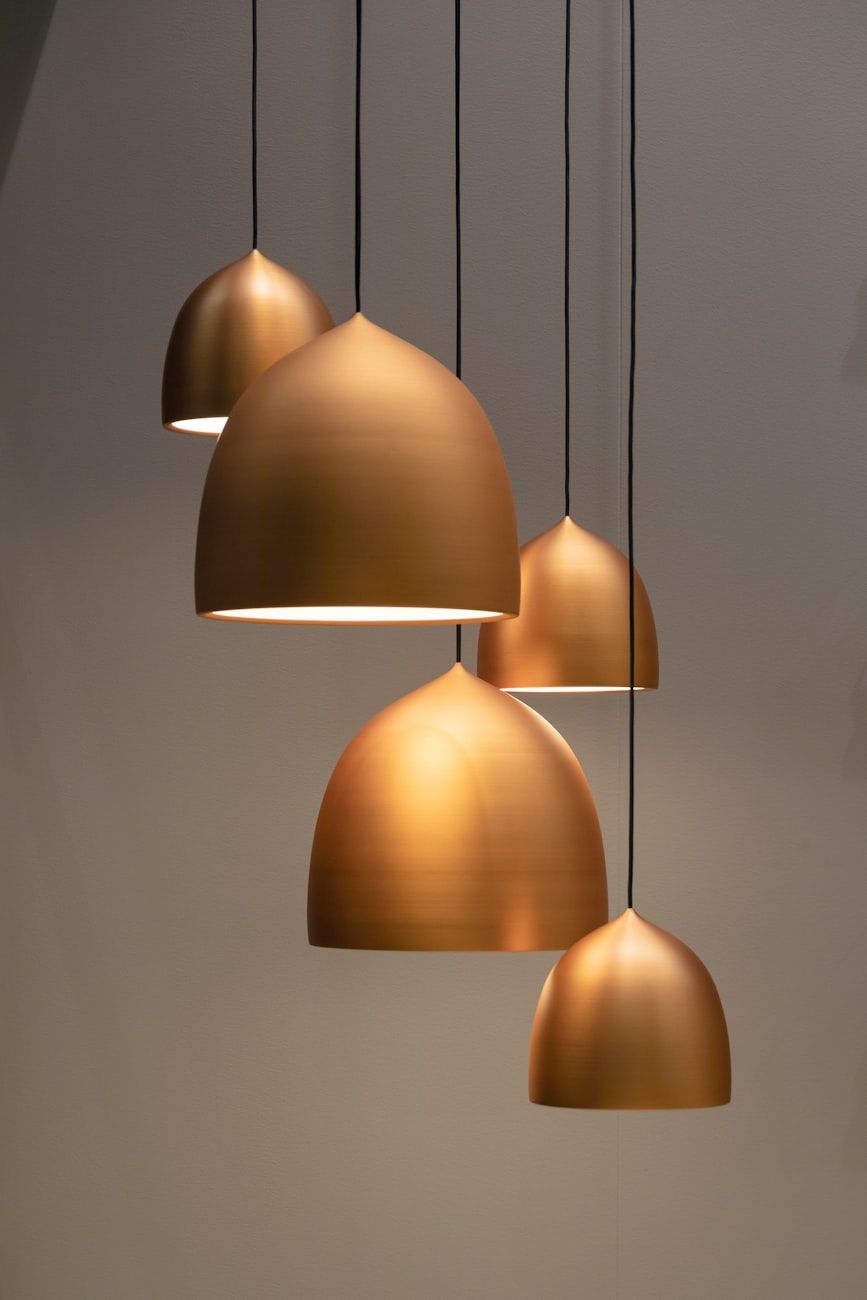
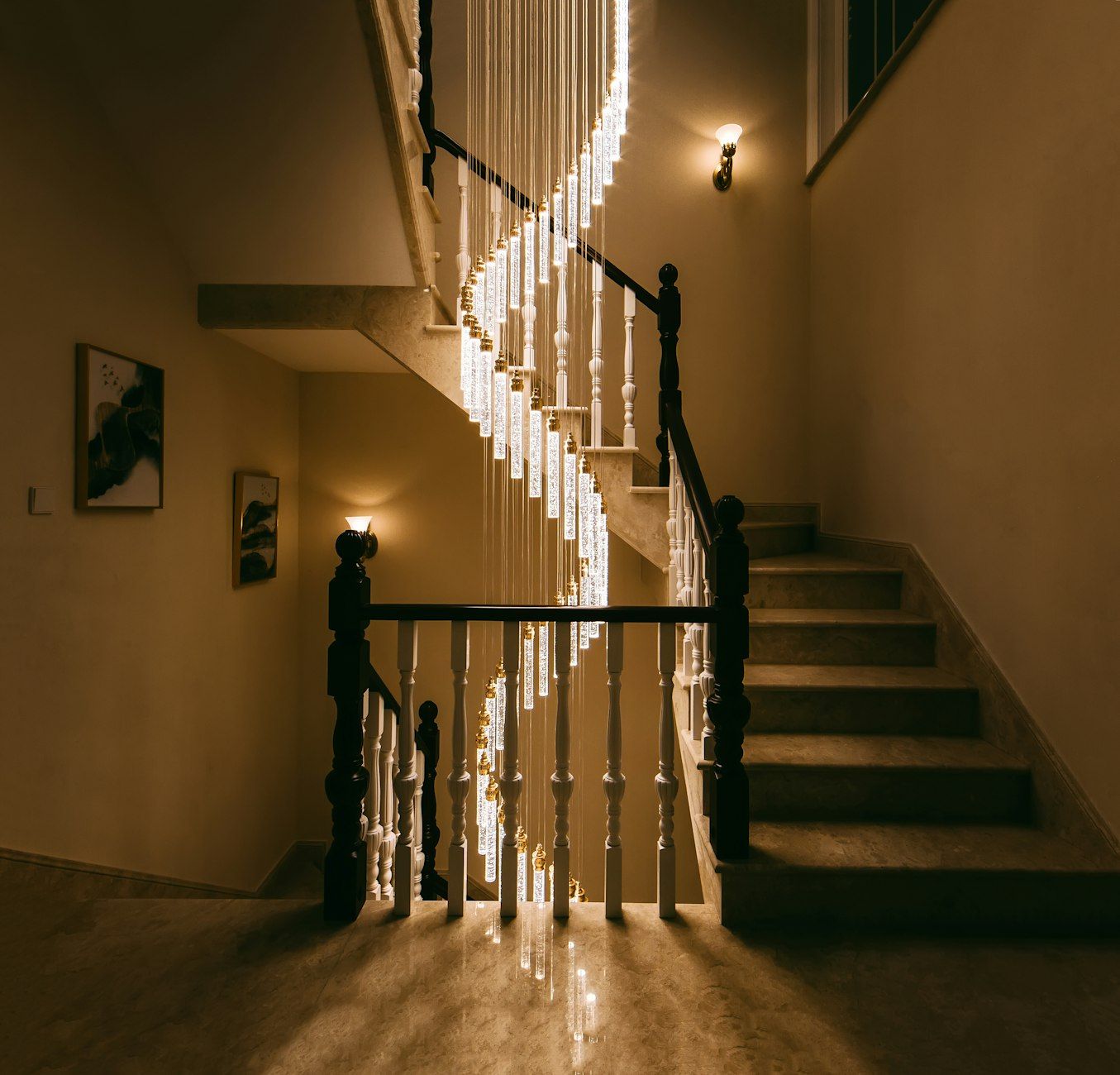
Lighting plays a crucial role in shaping our daily lives, impacting our mood, health, and productivity. With the emergence of human-centric lighting, a growing body of research recognises that lighting design can be tailored to enhance our overall well-being. In this article, we explore the significance of human-centric lighting and its effect on our physical and mental health.
The Science Behind Human-Centric Lighting
Human-centric lighting refers to an innovative approach that focuses on the biological and emotional responses of individuals to light. By mimicking the natural patterns of daylight, human-centric lighting systems aim to regulate our circadian rhythms, which are essential for maintaining a healthy sleep-wake cycle and overall well-being.
Research has shown that exposure to different wavelengths and intensities of light throughout the day can influence our alertness, mood and cognitive performance. By incorporating circadian lighting solutions into our environments, we can create a more harmonious connection between light and our internal body clock.
The Impact of Lighting on Mood and Health
Lighting has the power to evoke emotional responses and affect our psychological state. Mood lighting, characterised by warm and soft hues, can create a cosy and relaxing atmosphere in residential spaces. On the other hand, bright and cool-toned lighting is often used in work environments to promote focus and productivity.
Moreover, exposure to natural light has been linked to improved mood, increased vitamin D production and better mental health outcomes. In contrast, artificial lighting that lacks variability and proper colour temperature can disrupt our natural rhythms and lead to sleep disturbances and fatigue.
Enhancing Productivity with Thoughtful Lighting Design
In workspace design, proper lighting is essential for enhancing productivity and employee well-being. Office lighting ideas such as incorporating task lighting, adjusting colour temperatures based on the time of day, and integrating smart lighting systems can create a more dynamic and comfortable work environment.
Studies have shown that individuals working in well-lit spaces with access to natural light report higher levels of satisfaction and productivity. By implementing human-centric lighting solutions in offices, businesses can create a more adaptive and engaging workspace that supports the diverse needs of their employees.
Practical Tips for Home Lighting
When it comes to home lighting, there are several tips to consider for optimising your living environment. Firstly, pay attention to the colour temperature of your lighting fixtures—warmer tones are ideal for relaxation areas, while cooler tones are suitable for task-oriented spaces.
Dimmable lighting options can provide flexibility and help create different ambiances throughout the day. Additionally, consider incorporating natural elements such as plants and daylight simulation to enrich your home environment and promote a sense of well-being.
Conclusion
As our understanding of the relationship between light and well-being continues to evolve, the importance of human-centric lighting in shaping our environments becomes increasingly clear. By harnessing the power of lighting for health, mood and productivity, we can create spaces that not only look aesthetically pleasing but also support our overall physical and mental wellness.
Whether in homes, offices or public settings, the incorporation of human-centric lighting principles offers a promising pathway towards a brighter and more balanced future.