Growing Figs in Your Own Garden: Is It Possible to Grow Sweet Fruit in a Temperate Climate?
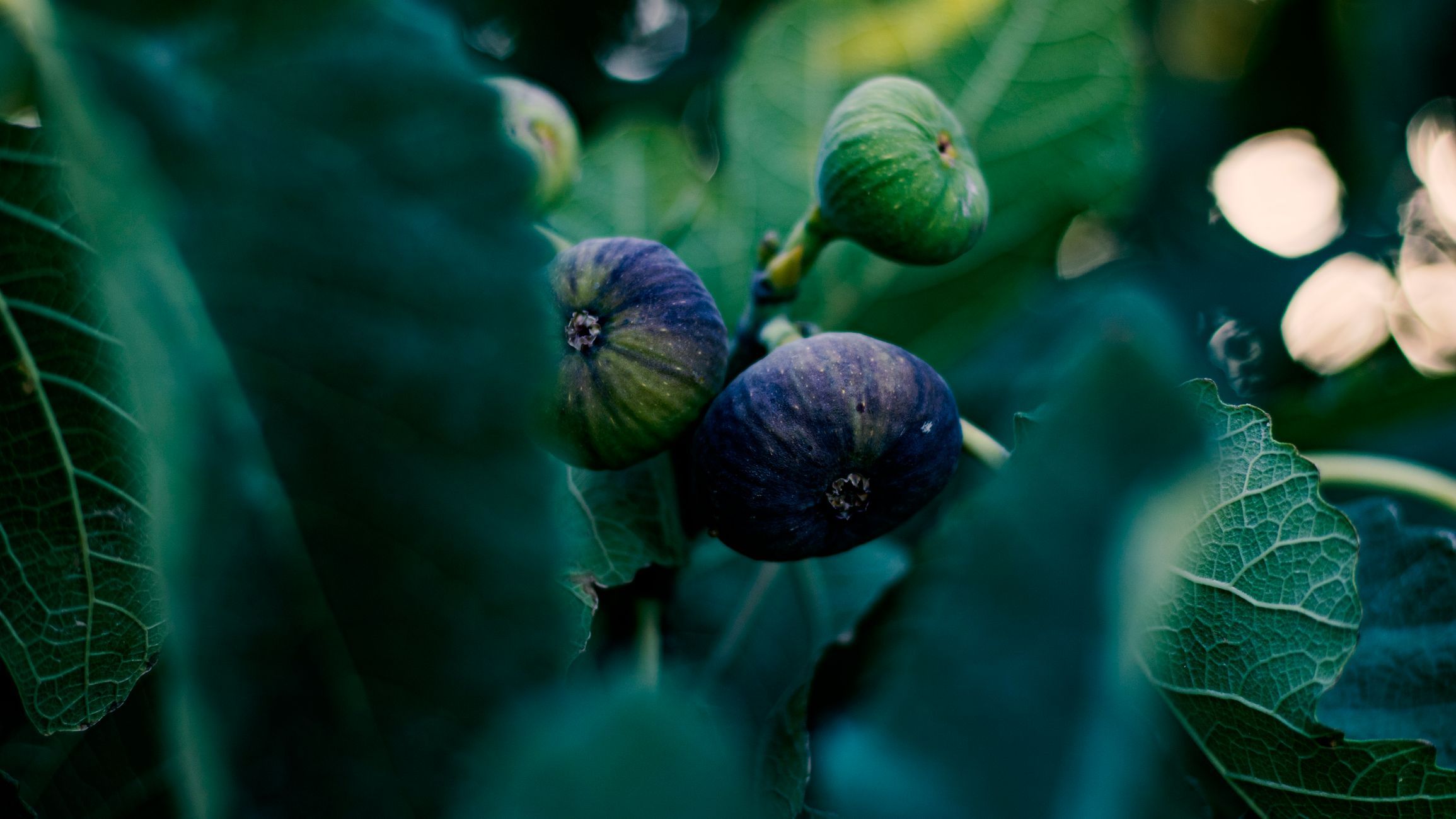

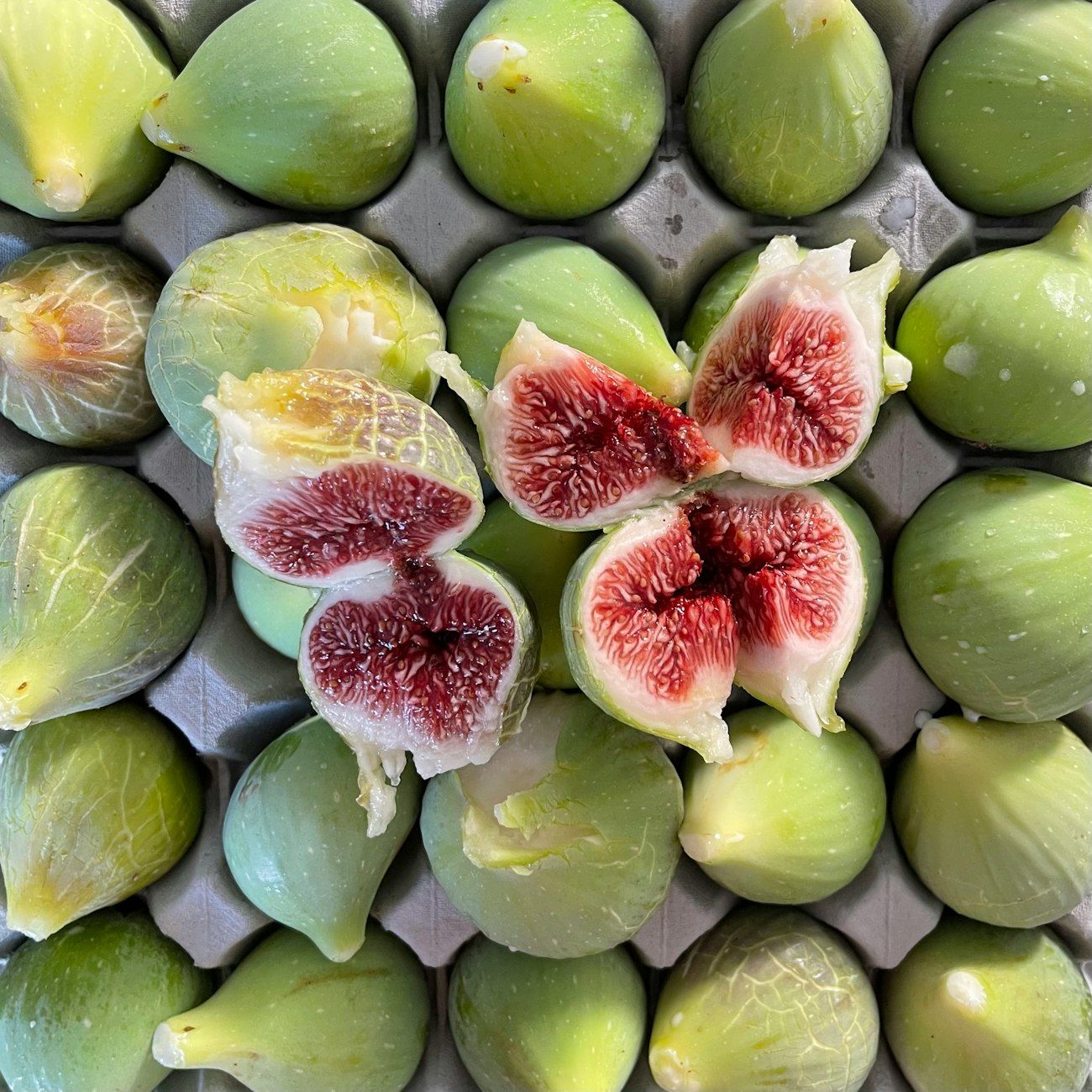
Fresh, sun-warmed figs may seem like a treat reserved for Mediterranean gardens, but growing figs is possible in many temperate regions. With a warm, sheltered site, a suitable variety, and thoughtful winter care, gardeners can harvest sweet fruit even where winters bring frost. Success depends on matching the fig to your climate and giving it a long, sunny growing season.
Choose the right variety and location
Start by selecting cold-hardy fig varieties suited to your area. ‘Chicago Hardy’ is known for surviving cold winters, often regrowing from its roots after stems are damaged. ‘Brown Turkey’ and ‘Celeste’ are also popular choices, though performance varies with local conditions. Ask nearby gardeners or a trusted nursery which varieties ripen reliably in your region. Most common garden figs produce fruit without a pollinating partner.
A fig tree in garden soil needs a sunny, sheltered position, ideally against a south- or west-facing wall. Warmth helps fruit ripen, while protection from strong winds limits damage. Choose a spot with well-drained soil; figs dislike waterlogged roots. They can grow in large containers, too, which is useful if you need to move the plant to a protected place for winter. Containers also keep roots more confined, which can encourage fruiting.
Planting and everyday care
For fig tree planting tips, wait until the danger of hard frost has passed before planting outdoors. Dig a hole about as deep as the root ball and wider than it, then set the plant at the same soil level it grew in its pot. Water thoroughly and add a layer of mulch, keeping it away from the trunk. Space in-ground trees several feet from walls and other plants, allowing room for mature growth.
Good fig tree care is straightforward. Water young trees regularly while they establish, and give mature plants a deep drink during prolonged dry spells, especially as fruit develops. Avoid frequent heavy feeding: too much nitrogen encourages leafy growth at the expense of fruit. Prune lightly in late winter to remove dead or crossing branches, and remember that severe pruning can reduce the coming crop. In cooler regions, a protected root system and a compact, manageable shape can make all the difference.
Protect through winter and enjoy the crop
Fig tree winter protection is important where temperatures fall below a variety’s tolerance. After the leaves drop, mound mulch around the base, or wrap stems with breathable insulating material. Container-grown trees can be moved into an unheated garage or sheltered shed; keep the soil only slightly moist while the plant is dormant. In very cold climates, growing figs in temperate climate conditions may be easiest in a pot that can be brought indoors for winter.
Figs ripen on the tree and do not become sweeter after picking. Look for fruit that has softened, droops from its stem, and may show a small bead of syrup. Handle ripe figs gently and pick them as they mature, since birds and insects may also find them. With patience and a little seasonal care, harvesting fresh figs becomes a rewarding part of the garden year. A well-placed tree can provide homegrown figs for eating fresh, drying, or sharing—proof that a temperate garden can produce a taste of summer.