From Manufacturing to Automation: The Evolution of Industry

The industrial revolution marked a significant turning point in human history, transforming the way goods were produced and laying the foundation for modern industry. From the early days of large-scale manufacturing to the present era of automation and digitalisation, the industrial landscape has undergone a series of transformative changes. This article sheds light on the evolution of industry from traditional manufacturing to advanced automation and explores the trends shaping the future of industrial processes.
At the heart of the industrial evolution is the shift from manual labour to automated production systems. Early industries relied heavily on manual labour and basic machinery to manufacture goods. However, with the advent of industrial automation, processes became more efficient, precise, and scalable. Industrial automation involves the use of control systems, such as robots and computer software, to streamline production and optimise output.
The transition from manufacturing to automation has been driven by a range of factors, including the need for increased productivity, quality consistency, and cost efficiency. Smart manufacturing, a key concept in modern industry, refers to the integration of automation, data exchange, and advanced manufacturing technologies to create a more interconnected and intelligent production environment.
Today, industrial automation plays a crucial role in driving manufacturing innovation and supporting the digital transformation of industry. By leveraging technologies such as Artificial Intelligence (AI), Internet of Things (IoT), and Big Data analytics, companies can enhance their operational processes, boost productivity, and gain a competitive edge in the market.
One of the key trends shaping the future of industry is the rise of automated production systems that are designed to enable greater flexibility and agility in manufacturing processes. These systems can adapt to changing production demands, optimise resource utilisation, and deliver products with higher precision and speed.
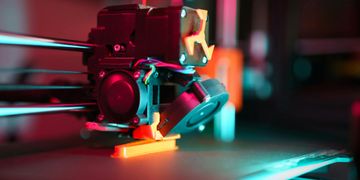
Industrial technology continues to advance at a rapid pace, with innovations such as 3D printing, autonomous robots, and cloud-based manufacturing platforms transforming the way goods are produced. These technologies are not only revolutionising traditional manufacturing processes but also opening up new possibilities for customisation, on-demand production, and sustainable manufacturing practices.
As the industrial landscape undergoes profound changes, companies are increasingly focusing on enhancing their operational capabilities and embracing the principles of Industry 4.0. This fourth industrial revolution emphasises the importance of connectivity, automation, real-time data analysis, and artificial intelligence in driving manufacturing excellence.
In conclusion, the evolution of industry from manufacturing to automation represents a paradigm shift in the way goods are produced and underscores the transformative power of technology in revolutionising industrial processes. The future of industry lies in the adoption of advanced automation systems, the integration of cutting-edge technologies, and the pursuit of innovation to drive sustainable growth and competitiveness in the global market.