Fridge Feng Shui: How Aesthetic Organisation Keeps Food Fresh Longer and Saves Money
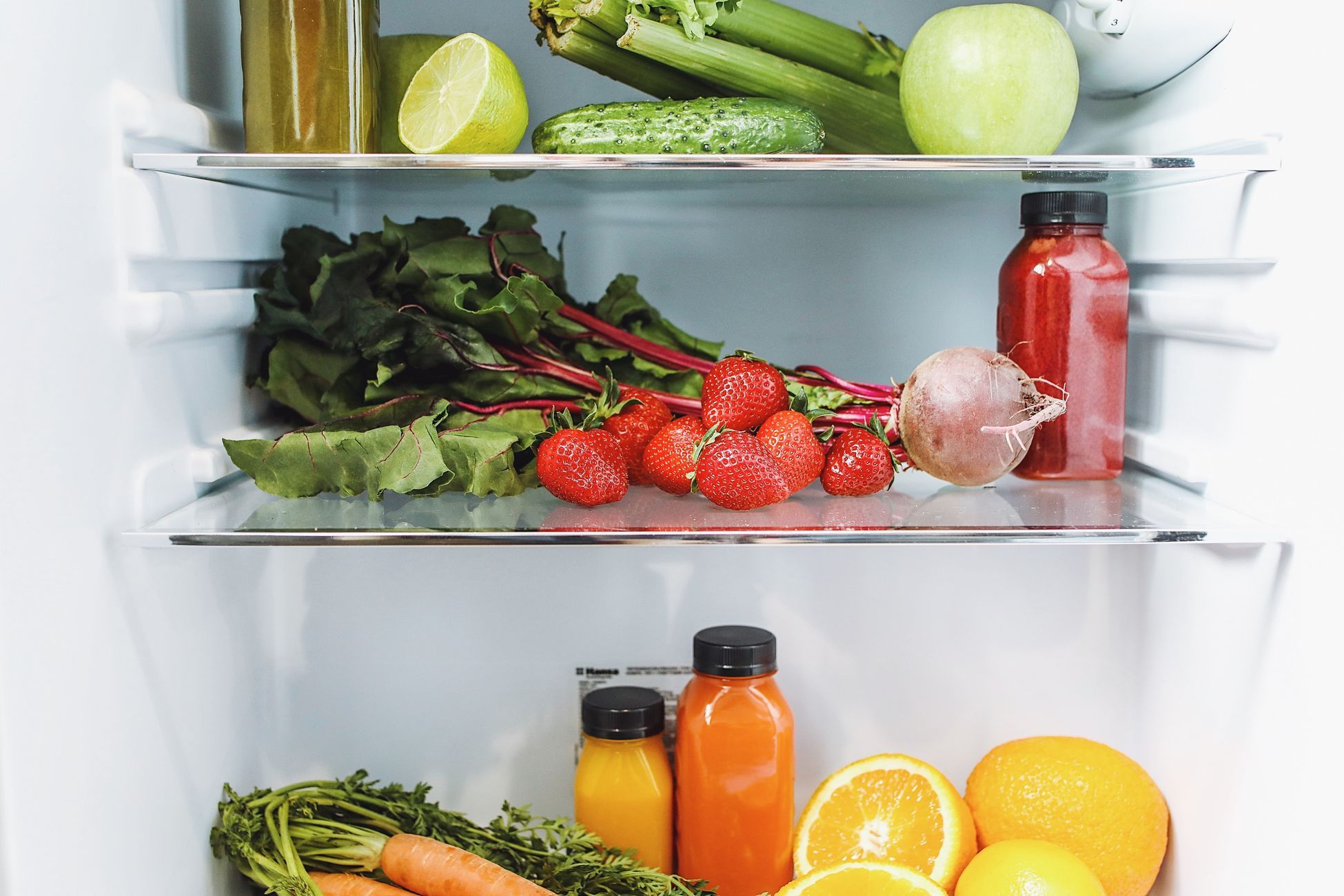
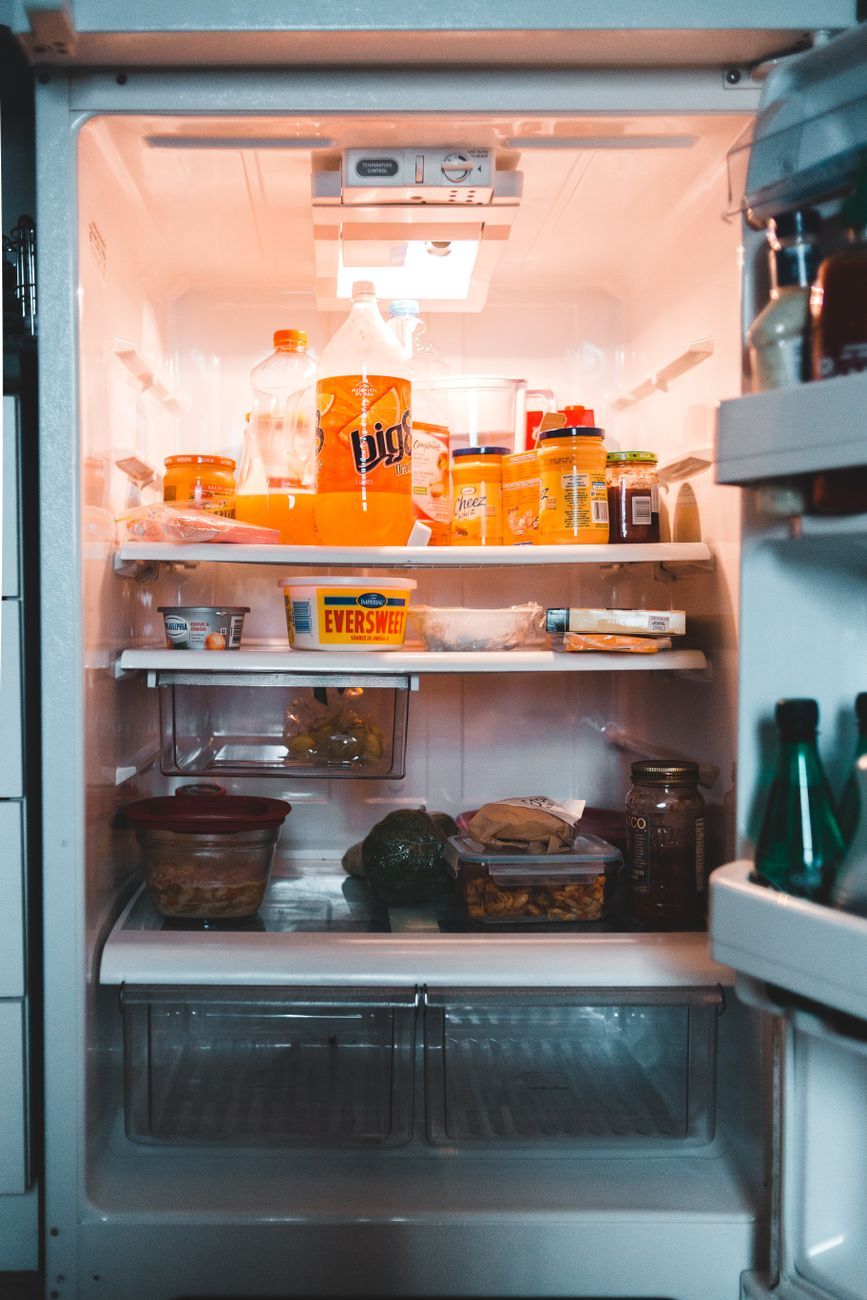
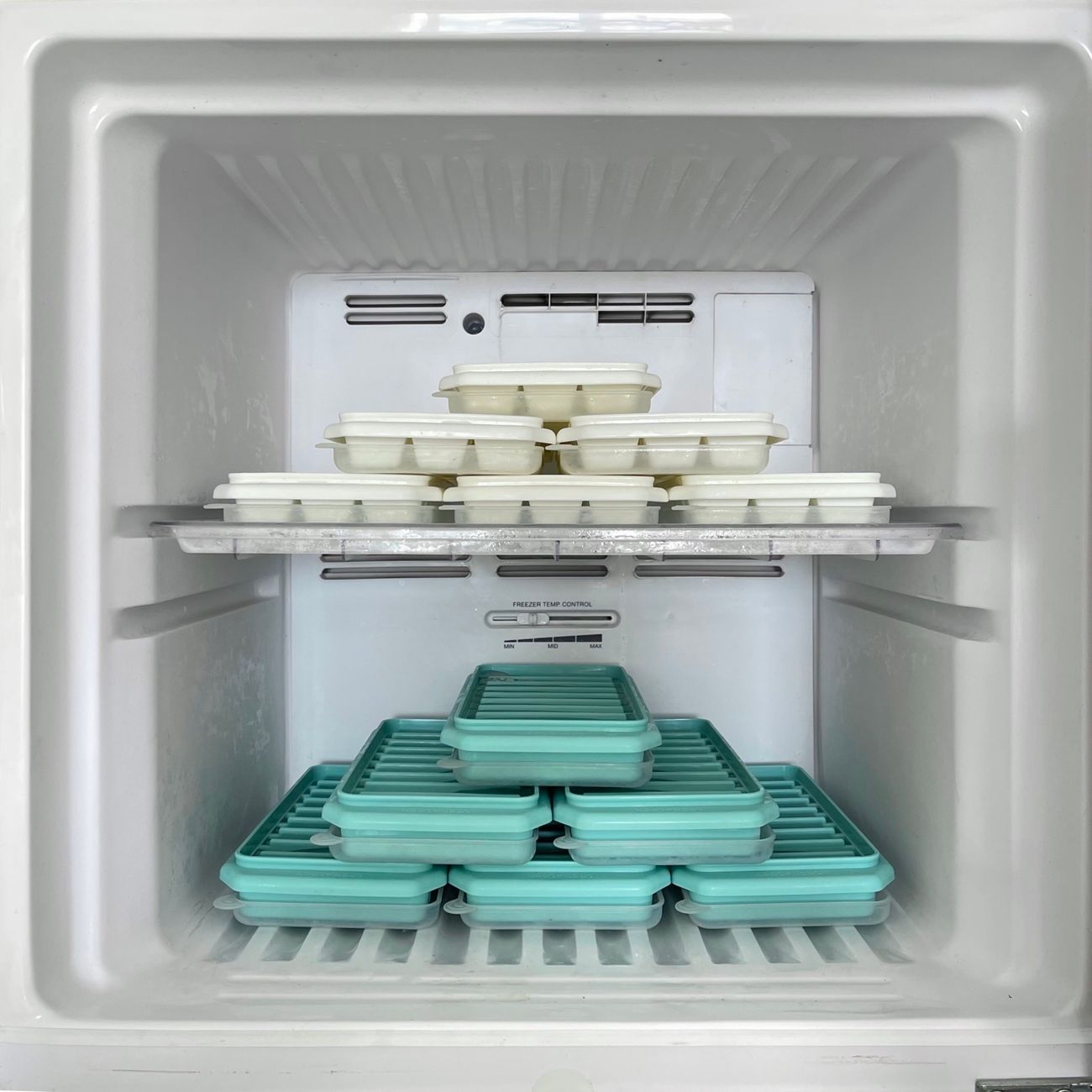
We all know the feeling of opening our refrigerator only to find wilted vegetables, expired leftovers, and forgotten jars of sauces buried in the dark corners of the back shelves. It is not only frustrating and visually chaotic, but it also directly contributes to massive food waste and unnecessary expenses.
In a modern, busy household, a messy fridge is a silent budget killer. However, with a little bit of aesthetic fridge organisation and mindful kitchen design, you can transform your refrigerator from a chaotic storage box into a high-functioning, eco-friendly appliance.
By applying the principles of "Fridge Feng Shui," you will not only create a Pinterest-worthy interior but also keep your food fresher for longer, streamline your meal prep, and see significant kitchen cost savings.
Why Fridge Aesthetics and Science Go Hand in Hand
Many people think that beautiful fridge organisation—with matching clear bins and neatly lined jars—is just a superficial social media trend. In reality, visual clutter in the fridge acts as a psychological barrier. When you cannot see what you have, you default to ordering takeout or buying duplicate ingredients.
Furthermore, a packed and disorganised fridge blocks proper air circulation. Modern refrigerators rely on a consistent flow of cold air to maintain safe temperatures. When shelves are overcrowded, warm pockets form, accelerating food spoilage. An aesthetic, minimalist approach to your fridge layout is actually the key to optimal appliance performance and long-lasting produce freshness.
The Step-by-Step Guide to Fridge Feng Shui
To build an eco-friendly kitchen that actively saves you money, implement these five core pillars of refrigerator organisation:
1. Prioritise Placement (The Temperature Zone Strategy)
A refrigerator is not uniformly cold. To maximise shelf life, you must store items according to the temperature zones of your appliance:
-
The Upper Shelves: This zone has the most consistent temperature. It is the perfect place for ready-to-eat foods, leftovers, drinks, and herbs.
-
The Middle & Lower Shelves: This is the coldest part of the fridge. Store your dairy products, eggs, raw meat, and fish here (always keep raw meat on the very bottom shelf to prevent accidental drips onto other foods).
-
The Fridge Door: This is the warmest area because it is constantly exposed to room air when opened. Avoid putting milk or eggs here. Instead, reserve the door shelves for condiments, juices, and natural preservatives like butter.
2. Utilise Crisp Drawers with Intent
Most modern crisper drawers come with humidity controls, yet few people use them correctly.
-
High Humidity Drawer (closed vents): Perfect for leafy greens, broccoli, carrots, and cucumbers. The moisture is locked in, preventing them from wilting.
-
Low Humidity Drawer (open vents): Ideal for fruits and vegetables that emit ethylene gas (like apples, pears, and avocados). Allowing the gas to escape prevents the surrounding produce from rotting prematurely.
3. Invest in Clear, Modular Containers
The golden rule of aesthetic organisation is visibility. When you store leftovers in opaque plastic containers or wrap them in foil, they become invisible—and invisible food is food that gets thrown away.
-
Invest in a set of matching glass or BPA-free clear acrylic containers.
-
Glass is highly sustainable, does not absorb food odours, and can go straight from the fridge to the oven or microwave.
-
Use a simple liquid chalk marker to write the preparation date directly on the lid. It washes off easily and saves you from the "sniff test" guessing game later in the week.
4. Master the "FIFO" Rotation Method
Adopt the professional restaurant practice of FIFO (First In, First Out). When unpacking your weekly grocery haul, take two extra minutes to pull the older produce, yogurts, and leftovers to the front of the shelf, and place the newly purchased items at the back.
Green Tip: Dedicate one small, clear bin at eye level labelled "Eat Me First." Place any items that are nearing their expiration date or veggies that need to be cooked soon inside this bin. This simple habit drastically reduces weekly food waste.
5. Embrace Empty Space
A crowded fridge is an inefficient fridge. Aim to keep your refrigerator filled to about 70% to 80% capacity. Leaving some empty space allows cold air to circulate freely around your food, maintaining a steady climate. It also makes cleaning much easier, as you can wipe down glass shelves without having to perform a massive extraction mission first.
The Financial and Ecological Impact
Creating an organised refrigerator layout is a small step that yields massive rewards. When you know exactly what ingredients you have, grocery shopping becomes highly targeted. You stop overbuying, make fewer impulse purchases, and master the art of sustainable meal prep.
By keeping your produce fresh and utilising your leftovers, you can easily save hundreds of pounds a year. At the same time, you reduce your household's carbon footprint, proving that an organised, beautiful home is also a kinder one to our planet.
So, next time you stock up on groceries, don't just shove them inside. Take a moment to organise your fridge thoughtfully. It will not only elevate the daily look of your kitchen but also usher in a more mindful, sustainable, and budget-friendly lifestyle.