How Are Old Films Restored Before Their Release on Blu-ray and 4K?
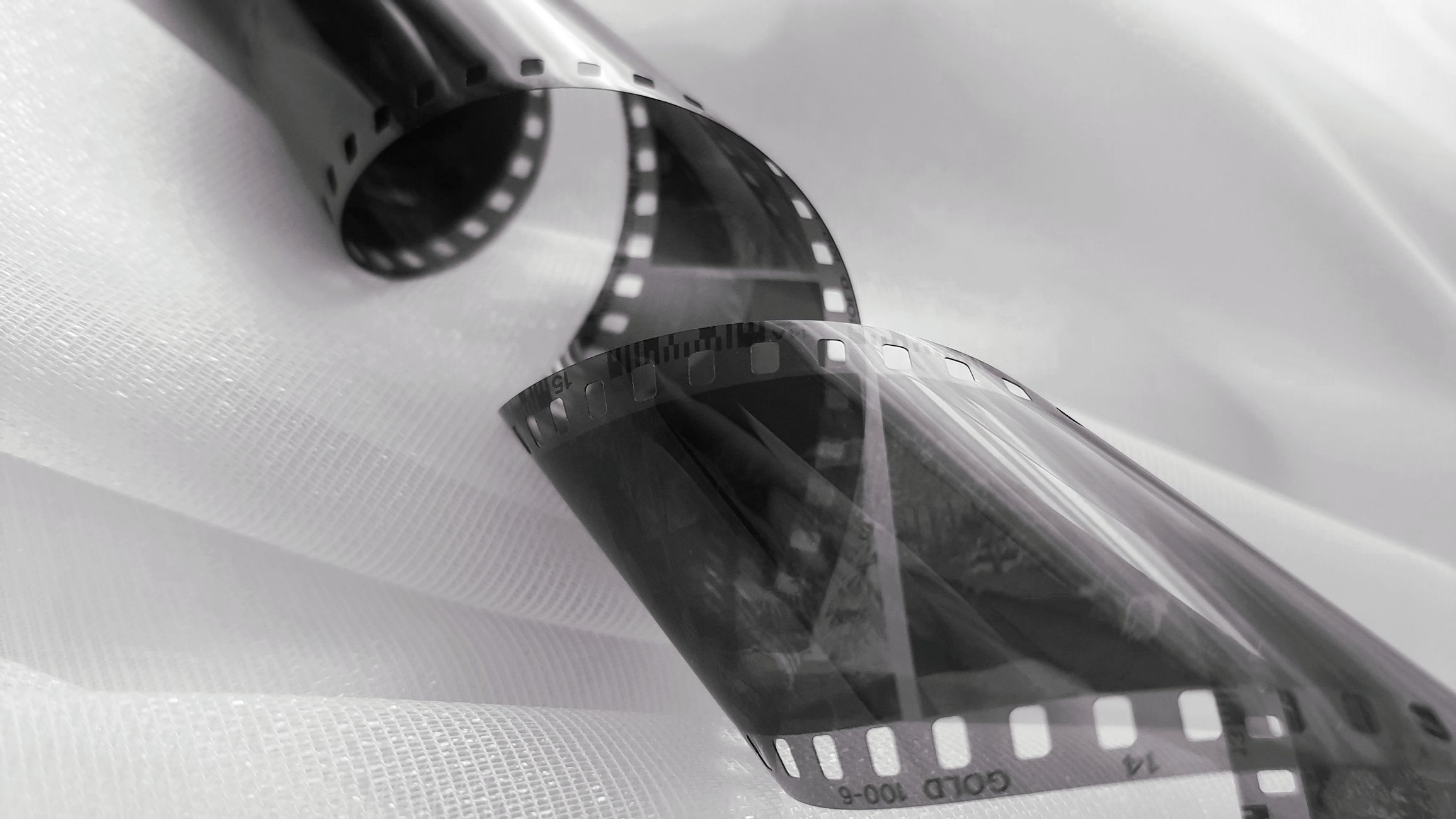

Have you ever wondered how old films are restored prior to their release on Blu-ray and 4K? Film restoration is a meticulous process that involves various techniques to bring classic cinema back to its former glory.
One of the initial steps in the film restoration process is film scanning. This involves digitising the original film negatives or prints to create a high-resolution digital copy. The digital files are then carefully examined to identify any visible defects, such as scratches, dust, or fading.
Once the film has been scanned, the subsequent step is digital remastering. This entails using advanced software tools to clean up the digital files and enhance the overall image quality. Colour correction is a crucial part of this process, as it ensures that the colours in the restored film are true to the original artistic vision.
During the restoration process, skilled technicians work tirelessly to repair any damage to the image, such as tears or warping. This may involve manually retouching each frame of the film to ensure a seamless viewing experience for audiences.
After the digital restoration is complete, the film undergoes a thorough quality check to ensure that it meets the highest standards of audio and visual quality. The final product is then ready for its release on Blu-ray and 4K, allowing viewers to experience classic films in stunning high definition.
Thanks to the advancements in technology, old films can now be preserved and enjoyed for future generations to appreciate. The art of film restoration not only honours the legacy of classic cinema but also enables audiences to rediscover these timeless treasures in a new light.
So, the next time you watch a restored old film on Blu-ray or 4K, take a moment to appreciate the craftsmanship and dedication that went into bringing that film back to life.