Dedicated Sound Card in 2026: Does It Still Make Sense When Audio Is Already Built into the Motherboard?
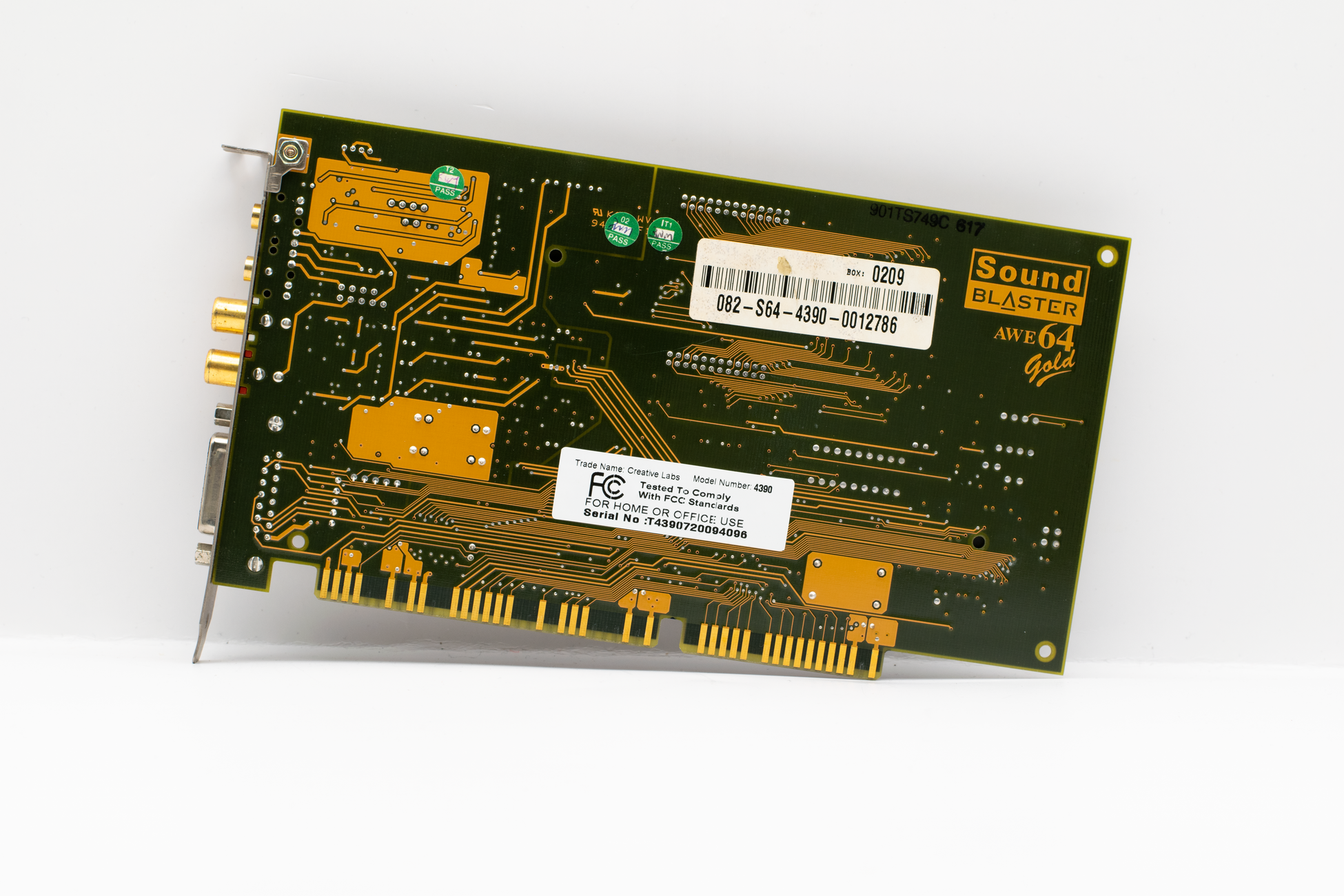
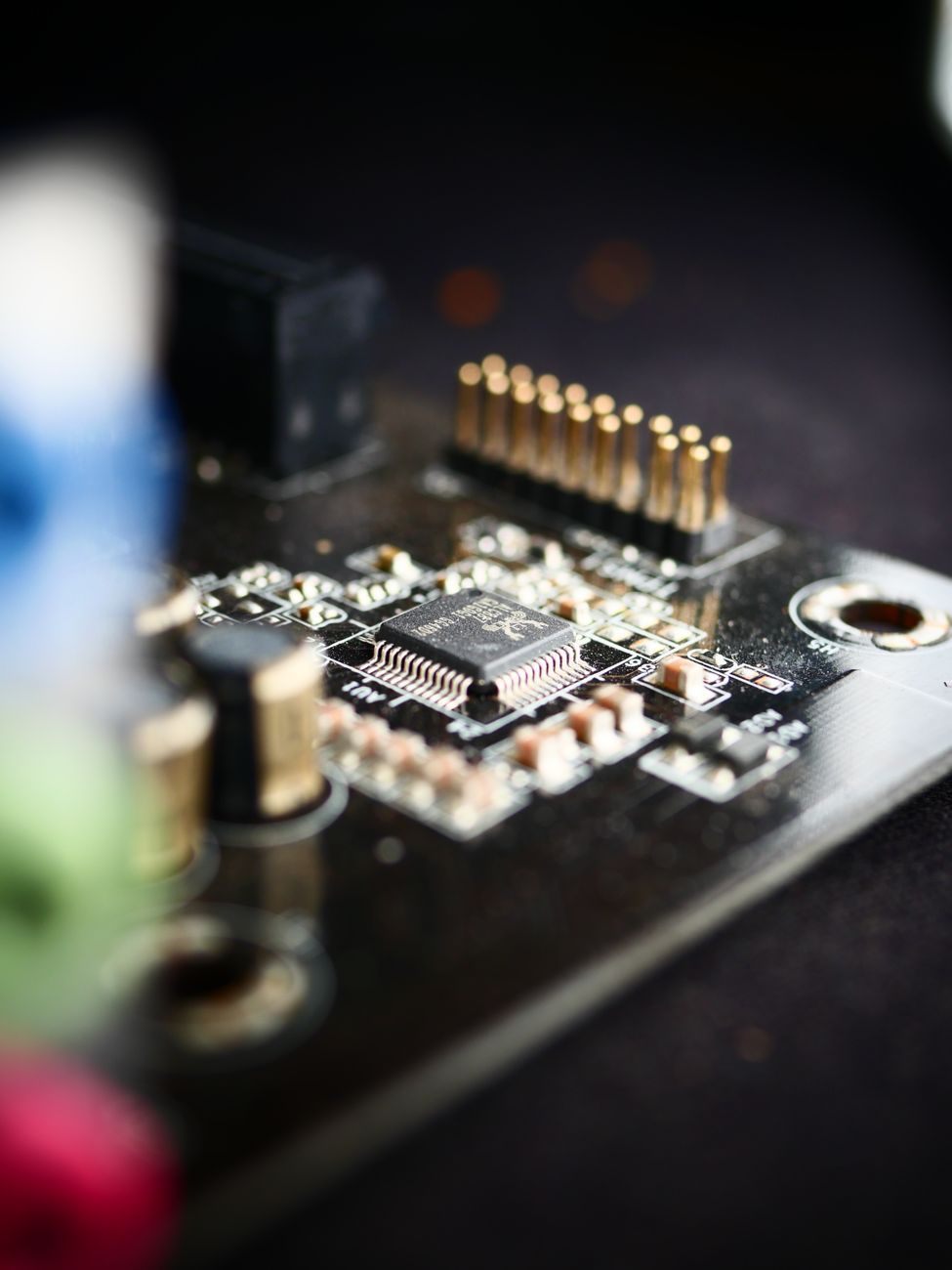
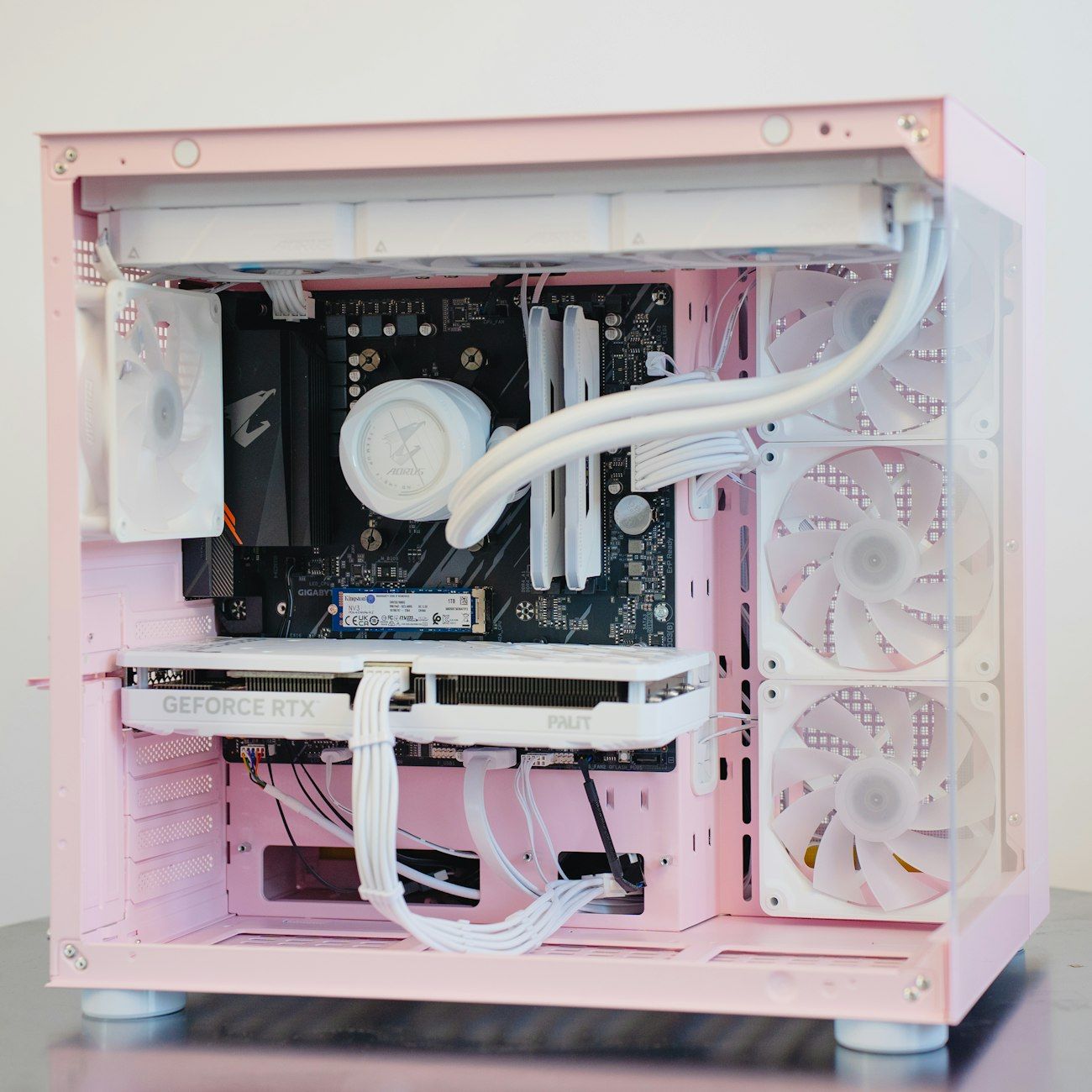
With the rapid advancements in technology, the debate over whether a dedicated sound card is still necessary in 2026 continues to be a hot topic among PC enthusiasts. The prevalence of built-in audio solutions on motherboards has significantly improved over the years, raising the question of whether investing in a dedicated sound card is still worth it. Let's delve into the pros and cons of using a dedicated sound card versus relying on onboard audio.
The Rise of Onboard Audio
Modern motherboards come equipped with integrated sound capabilities that provide a decent audio experience for most users. Onboard audio solutions have evolved to offer features such as surround sound, high sample rates, and low latency, making them suitable for everyday tasks such as watching movies, listening to music, and casual gaming. Many users find the audio quality of onboard sound to be more than sufficient for their needs, eliminating the need for a separate sound card.
Sound Quality Considerations
While onboard audio has come a long way, dedicated sound cards still hold an edge in terms of sound quality. A dedicated sound card typically features higher-quality digital-to-analogue converters (DACs) and audio processing capabilities, resulting in clearer, more detailed sound reproduction. For audiophiles and music professionals who demand the utmost precision and fidelity in audio playback, a dedicated sound card remains a compelling choice.
Gaming and Audio Processing
For gamers and content creators who rely on immersive audio experiences, a dedicated sound card can offer enhanced audio processing capabilities. Features such as advanced surround sound algorithms, customisable EQ settings, and dedicated audio processing units can greatly enhance the gaming audio experience, providing a competitive edge in multiplayer games where spatial awareness is crucial.
Future-Proofing Your Setup
As technologies such as virtual reality (VR) and augmented reality (AR) continue to advance, the demand for high-quality audio experiences will only increase. By investing in a dedicated sound card, users can future-proof their systems and ensure that they are equipped to handle the audio demands of tomorrow's applications and games. Additionally, a dedicated sound card allows for greater flexibility in connecting external audio devices such as microphones and instruments, making it a valuable tool for content creators and music producers.
Conclusion
While onboard audio solutions have made great strides in recent years, a dedicated sound card still has its place in the world of PC audio, particularly for users who prioritise sound quality, gaming performance, and audio processing capabilities. Whether you are a casual user looking for basic audio functionality or an enthusiast seeking the ultimate audio experience, the decision to invest in a dedicated sound card in 2026 ultimately comes down to your specific audio needs and priorities.