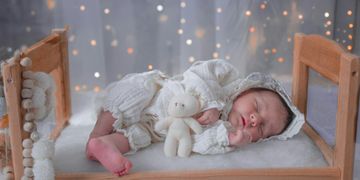
How Do Babies Learn to Understand Language Long Before They Say Their First Word?
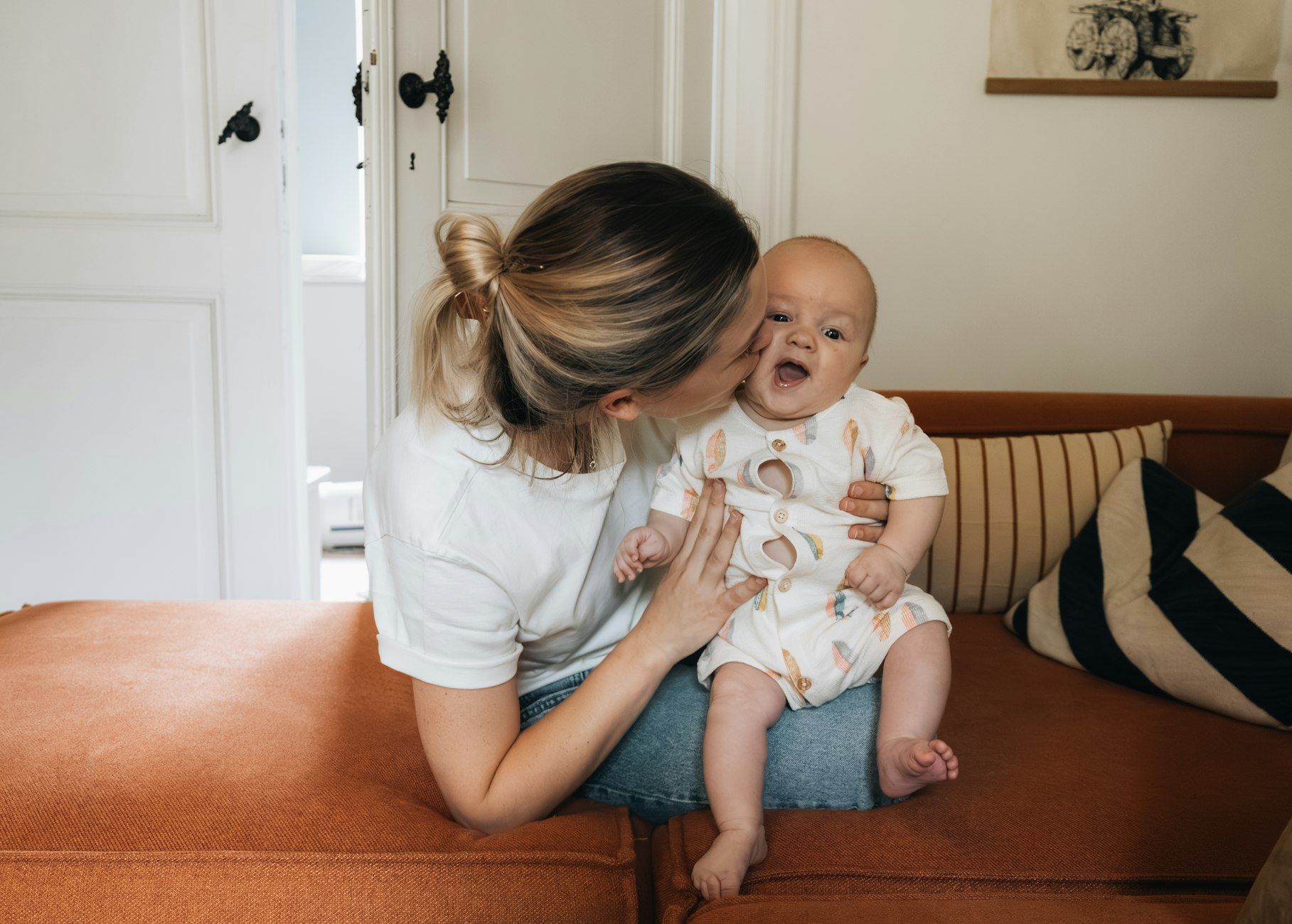
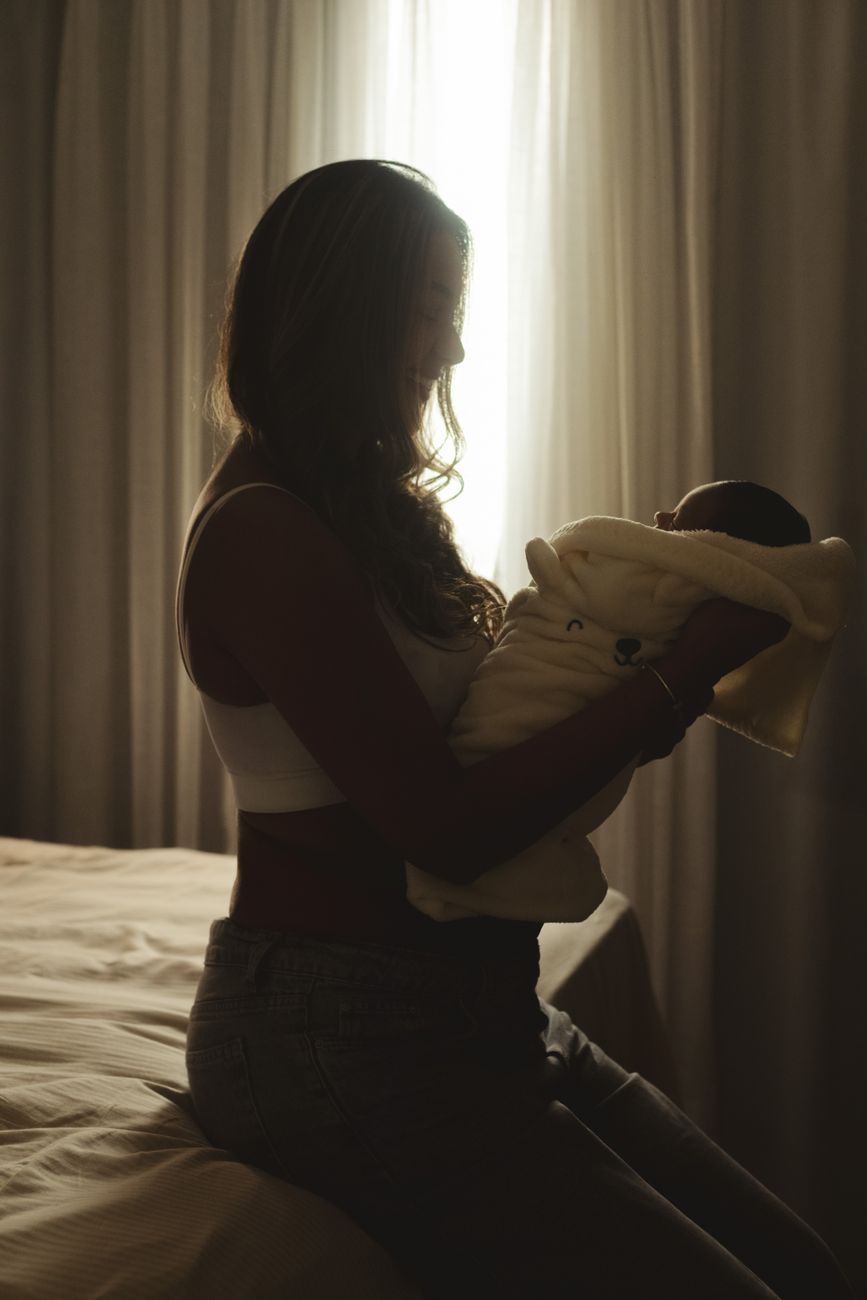
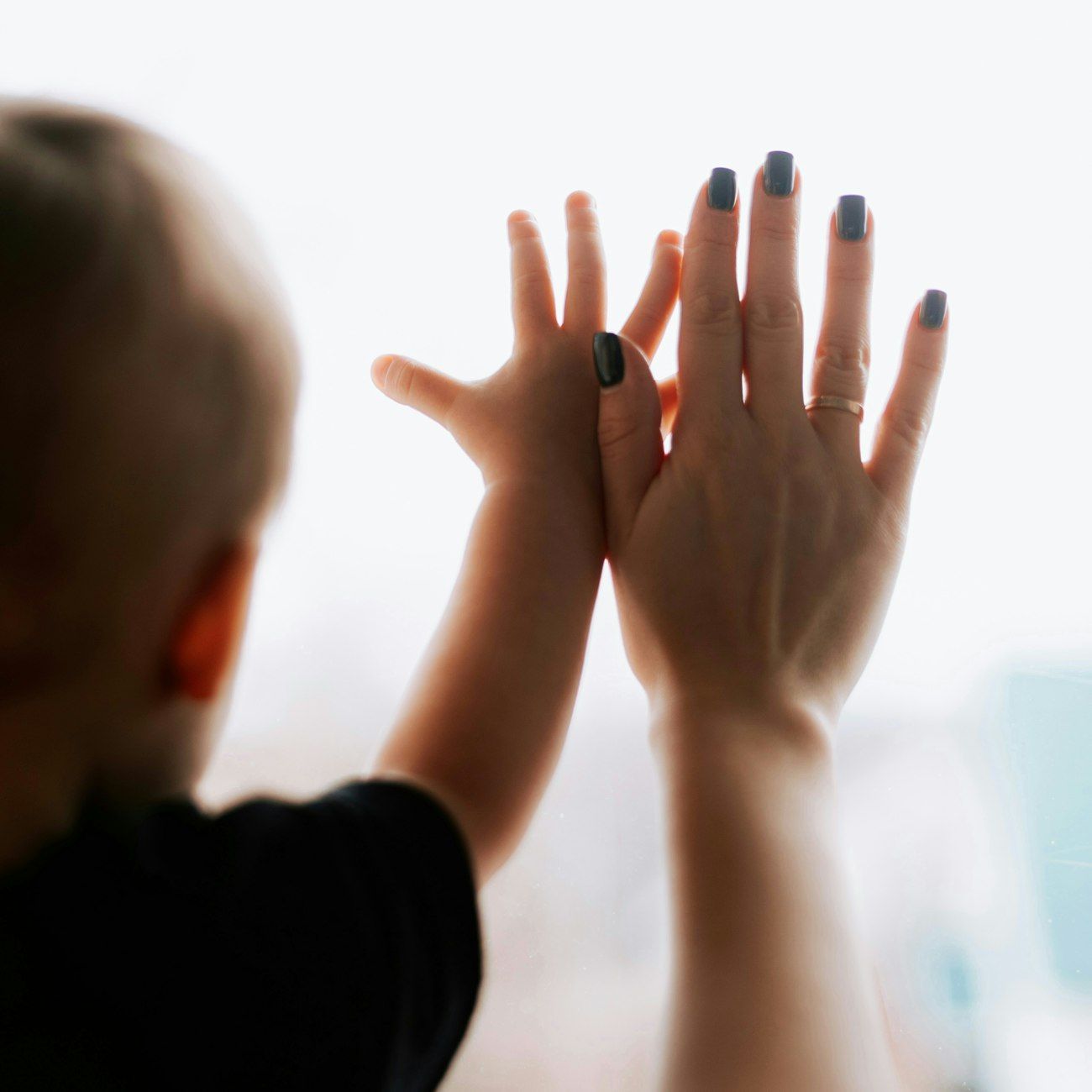
A baby may not be able to say “milk,” “up,” or even “mama,” but that does not mean language learning has not begun. Long before first words milestones arrive, babies listen closely to voices, notice patterns, and connect familiar sounds with people and routines. This early learning is a key part of baby language development: understanding often grows before a child can express ideas with speech.
From birth, infants are tuned to human voices. They begin to recognise the rhythm and pitch of familiar speech, and many become especially attentive to the voices they hear most often. Over time, repeated sounds and situations help them sort speech into patterns. A baby may hear “bath time” each evening alongside warm water and a towel. Even without understanding every sound, the child can gradually connect the phrase with what is about to happen.
Listening, looking, and making connections
Infant language comprehension develops through more than listening alone. Babies watch faces, follow gestures, and pay attention to what adults are looking at. When a parent says “Here’s your ball” while holding one out, the baby experiences the word, object, and social moment together. These everyday exchanges help build early language skills and support understanding words before speaking. A baby might respond to a familiar name or instruction with a look, a smile, or a movement rather than a spoken answer.
Responsive interaction is especially valuable. Talking during ordinary activities—getting dressed, preparing food, or walking outside—gives babies a steady stream of meaningful language. Pausing to let them babble or look towards something also makes the exchange feel like a conversation. Parents can answer a coo, describe what the baby seems interested in, and repeat useful words naturally. This kind of parent baby communication helps children connect sounds with attention, emotion, and everyday experiences.
How understanding grows
As infant brain development continues, babies become better at noticing which sound patterns matter in the language around them. They learn that words can refer to people, objects, actions, and feelings. Gestures and routines can offer useful clues, but babies are also learning from repeated exposure over time. Warm, engaging conversations matter more than drills or testing; there is no need to demand that a baby repeat a word to prove they understand it.
Baby speech development varies. Some children say recognisable words earlier, while others spend more time listening, babbling, and communicating through gestures. Understanding and speaking are related, but they do not develop at exactly the same pace. Families can support progress by reading simple books, singing, naming things the baby notices, and responding to attempts to communicate. If there are concerns about hearing, communication, or a child’s progress, a paediatrician can help decide whether an evaluation is appropriate.
The first spoken word is a visible milestone, not the beginning of language learning. Every shared glance, repeated phrase, and affectionate response gives a baby information about how communication works. Long before speech becomes clear, children are building the foundations for understanding, connection, and conversation.