The Era Of Skin Scents: Why Low-Projection Fragrances Are Dominating 2026
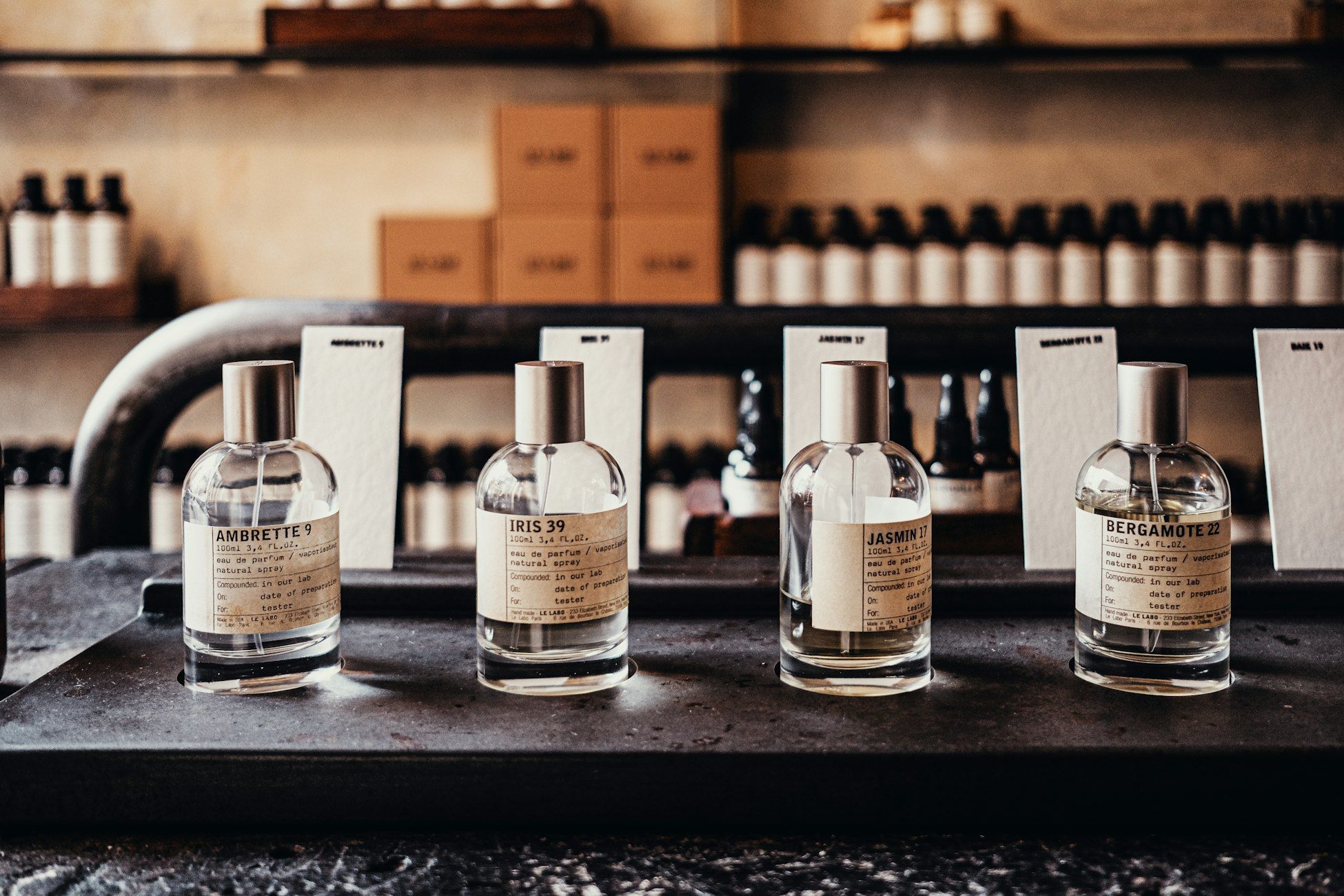
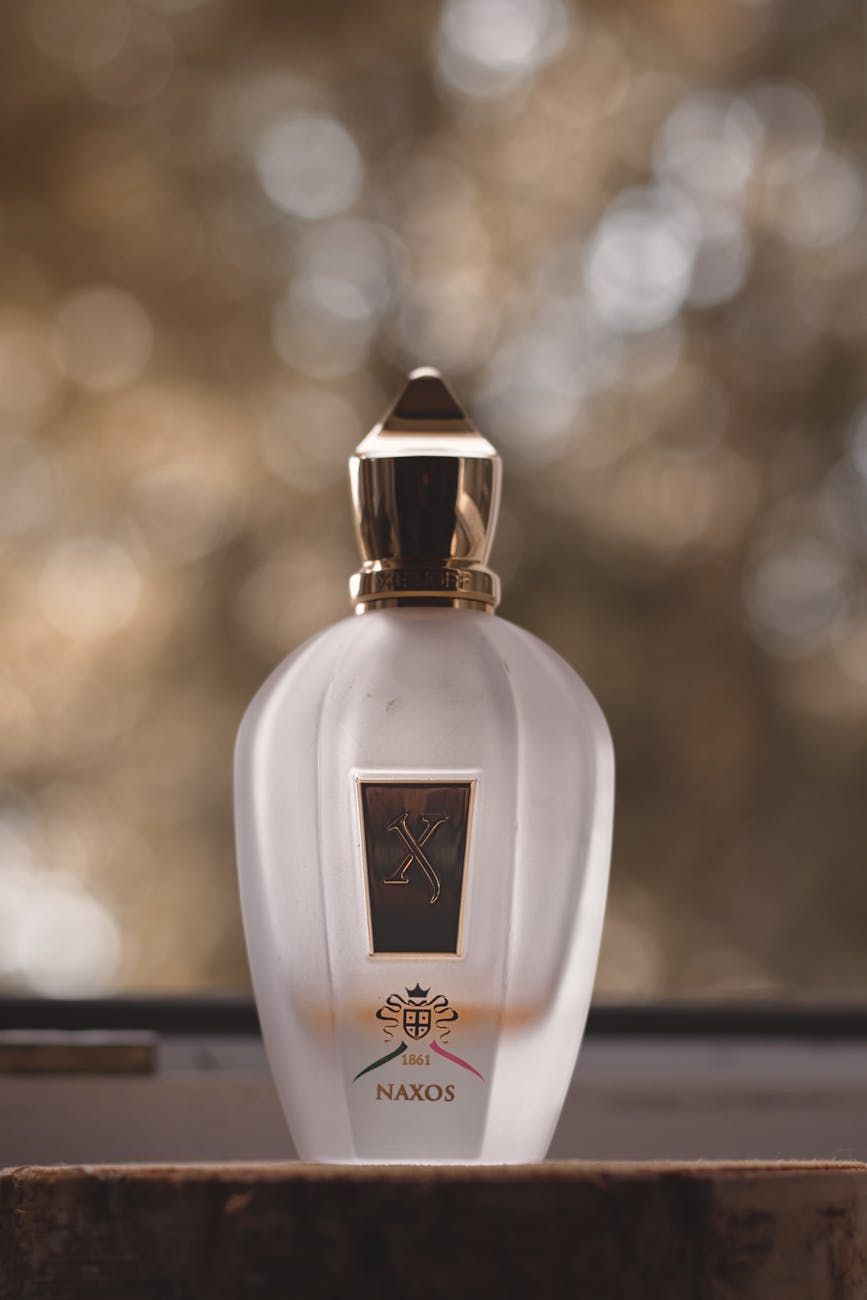
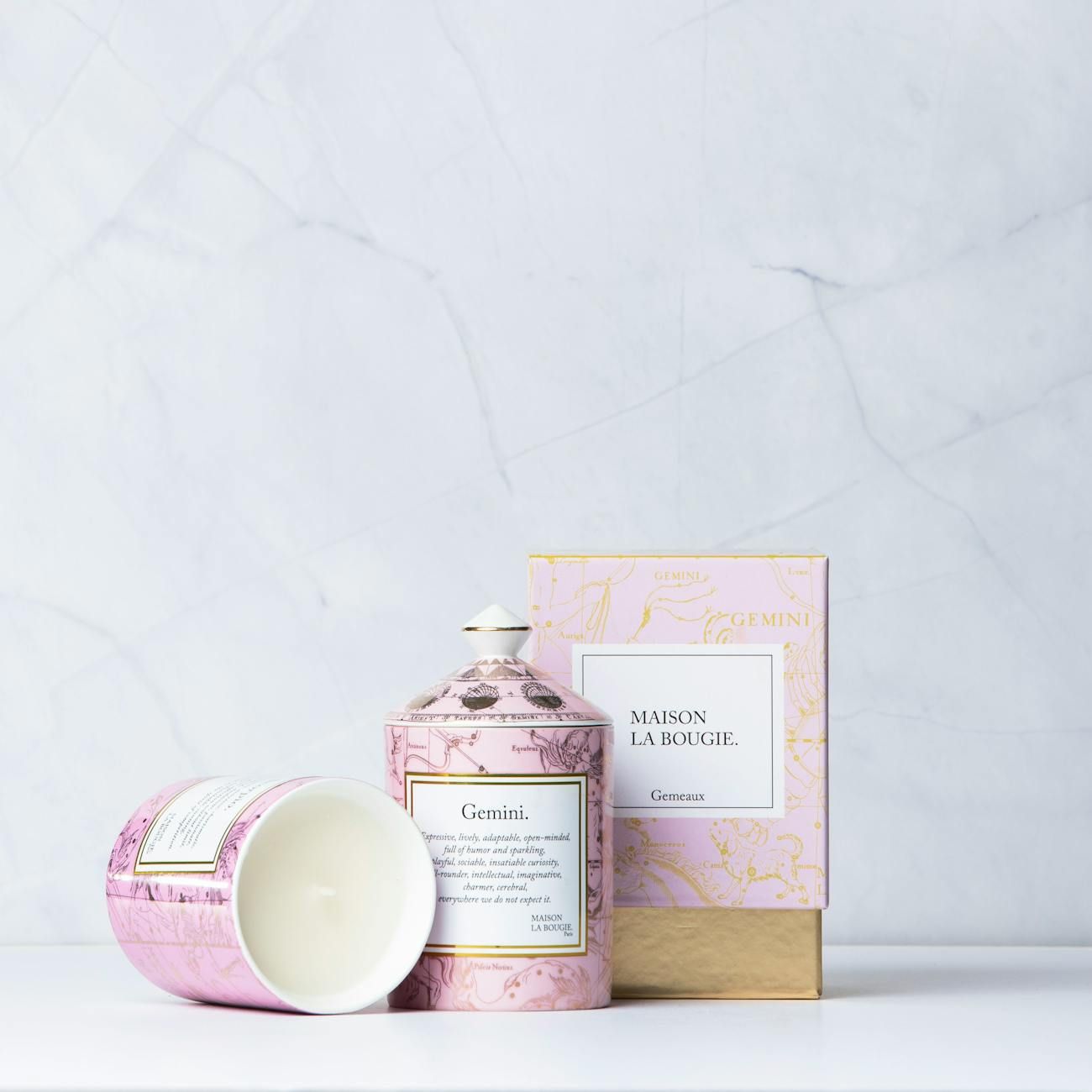
In the fast-paced world of cosmetics, perfumes, and skincare, there is a notable and accelerating shift towards skin scents in 2026. These fragrances, also known as low-projection or “second-skin” scents, have taken the industry by storm with their subtle yet deeply alluring aromas. Unlike traditional perfumes designed to fill a room, skin scents are created to blend into the wearer’s natural body chemistry, enhancing rather than overpowering. Embracing the broader movement of minimalist fragrance, skin scents are redefining how we perceive, experience, and emotionally connect with perfume in everyday life.
The rise of skin scents can be attributed to several overlapping cultural and lifestyle factors. One of the most significant is the increasing popularity of office-safe perfumes. In modern professional environments, strong and projecting fragrances are often considered intrusive or distracting. As workplaces become more shared, hybrid, and socially sensitive, subtle scent profiles have become not just a preference but a form of etiquette. Skin scents solve this elegantly, offering a refined presence that remains intimate and personal while still feeling polished and intentional.
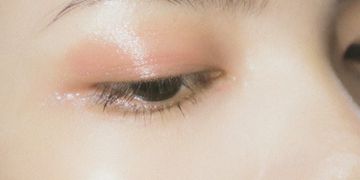
Another major driving force behind the skin scent trend is the global clean girl aesthetic. This lifestyle and beauty movement emphasises simplicity, glowing natural skin, minimal makeup, and effortless elegance. Within this aesthetic framework, fragrance is no longer about making a loud statement but about enhancing authenticity. Skin scents perfectly embody this philosophy, often built around soft musks, transparent florals, airy woods, and subtle amber notes that mimic the natural smell of healthy skin after a shower or moisturiser.
What truly sets skin scents apart is their extremely low sillage, which refers to the trail or aura a perfume leaves behind. Traditional fragrances often project outward, announcing presence before a person even enters a room. Skin scents, by contrast, stay close to the body, revealing themselves only in intimate proximity. This creates what many describe as an “invisible perfume” effect—an experience where scent becomes a private discovery rather than a public announcement. It adds a sense of mystery and intimacy, encouraging closeness and attention rather than distance.
In 2026, the evolution of this trend has also led to a renewed appreciation for perfume oils and molecular fragrances. Perfume oils, being more concentrated and less volatile than alcohol-based sprays, interact more closely with the skin’s natural oils. This interaction allows the scent to evolve uniquely on each individual, meaning the same fragrance can smell slightly different from person to person. This personalisation has become highly desirable in a world increasingly focused on individuality and self-expression.
Additionally, modern fragrance science has played a key role in the development of skin scents. Perfumers are now working with aroma molecules that are designed specifically for diffusion control—allowing scents to linger without projecting heavily. Ingredients like ambroxan, iso e super, clean musks, soft cedarwood, and skin-like aldehydes are frequently used to create that “barely there but always present” sensation. These compositions are carefully balanced to feel natural, almost like an extension of one’s own body rather than an external product.
Beyond aesthetics and science, skin scents also reflect a deeper psychological shift in how people approach beauty and identity. In a world saturated with visual and sensory overstimulation, many individuals are turning towards subtlety as a form of comfort and control. Wearing a skin scent becomes a personal ritual—something that enhances confidence without demanding attention. It is fragrance as self-reflection rather than performance.
Application techniques have also evolved alongside this trend. Instead of heavy spraying, users often apply skin scents more strategically: behind the ears, on pulse points, or lightly layered with unscented moisturisers to enhance longevity. Some even combine multiple skin scents to create a “fragrance wardrobe,” layering different notes depending on mood, season, or occasion. This customisation turns fragrance into an intimate form of daily expression.
Looking ahead, the future of skin scents is likely to expand even further into hybrid beauty categories. We are already seeing the emergence of scented skincare—body lotions, hair mists, and serums that subtly fragrance the skin while also providing functional benefits. This blurring of boundaries between skincare and perfumery suggests a future where scent is no longer an accessory but an integrated part of personal care.
As demand for intimate, personal, and emotionally resonant fragrances continues to grow, skin scents are leading a quiet revolution in the perfume industry. Whether you are drawn to delicate musks, soft florals, creamy woods, or barely-there citrus accords, there is a skin scent that aligns with every identity and mood. In 2026, embracing skin scents is less about following a trend and more about discovering a new language of fragrance—one that speaks softly, stays close, and reveals itself only to those near enough to notice.