From Waste To Wealth: Implementing Circular Business Models In 2026

In recent years, the concept of a circular economy has gained significant traction, with more companies realising the importance of sustainability in the business world. As we enter 2026, the push towards implementing circular business models has become even more pronounced, with businesses across various industries embracing the idea of turning waste into wealth.
The transition to circular business models is driven by the need to reduce the environmental impact of traditional linear production and consumption methods. By focusing on sustainable business models, companies can not only minimise their carbon footprint but also tap into new opportunities for growth and innovation.
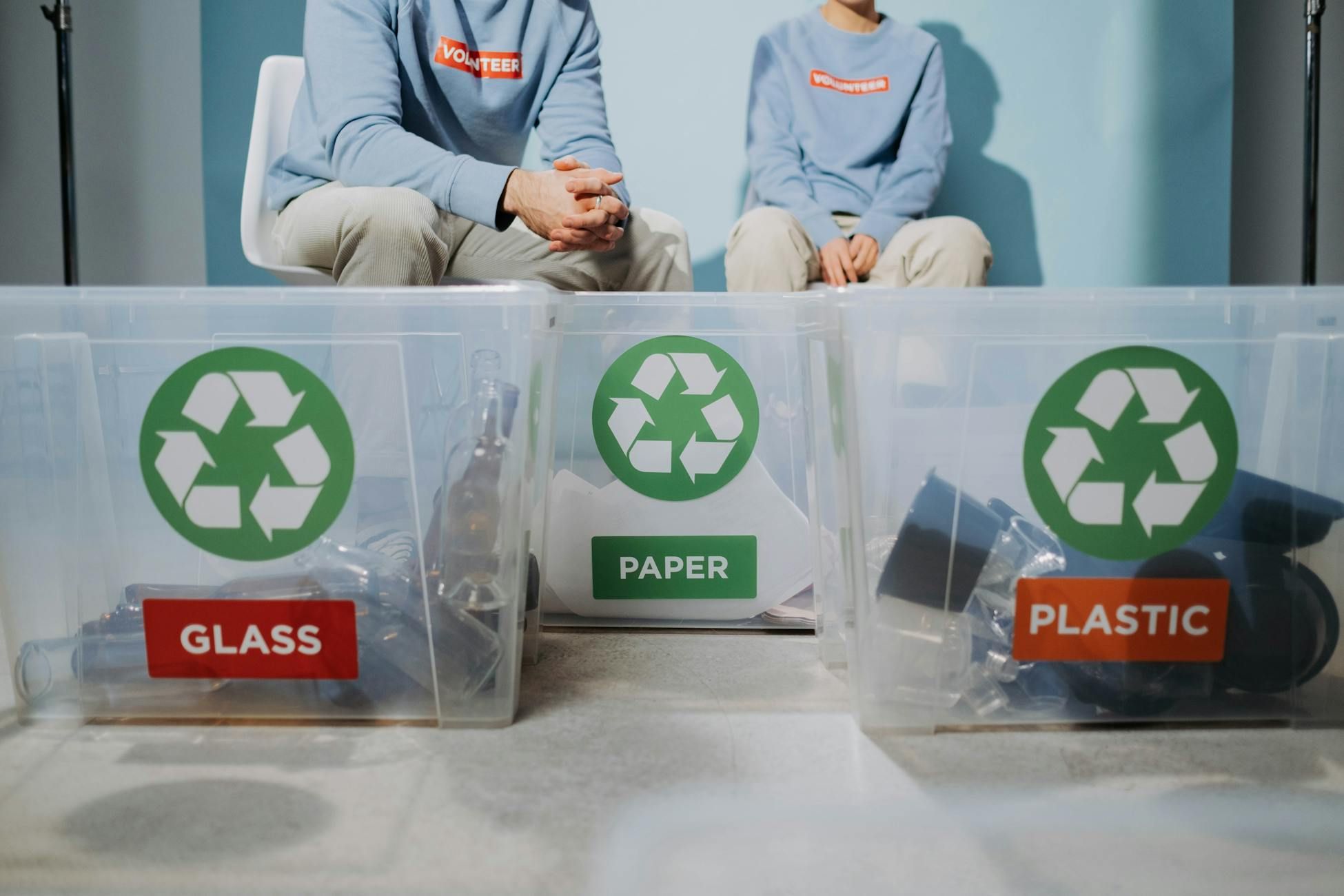
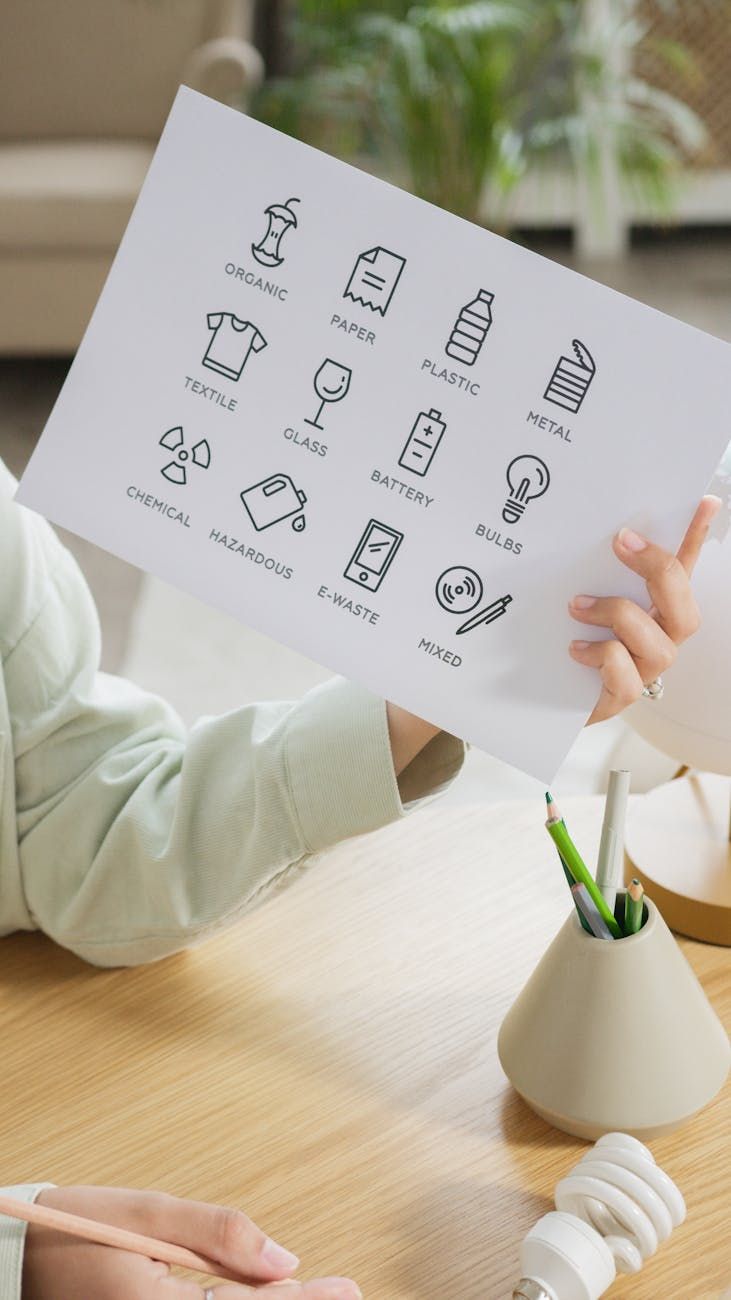
One of the key pillars of the circular economy in 2026 is the concept of waste to wealth. This approach involves rethinking waste as a valuable resource that can be repurposed or recycled to create new products or services. By shifting away from the "take-make-dispose" model, businesses can minimise waste generation and maximise resource efficiency.
To support the transition to a circular economy, advancements in industrial recycling technologies have played a crucial role. Innovations in recycling processes have enabled companies to extract more value from waste materials, paving the way for a more sustainable manufacturing ecosystem.
Green manufacturing practices have also become increasingly prevalent in 2026, with companies integrating eco-friendly technologies and processes into their production lines. From energy-efficient machinery to sustainable packaging solutions, businesses are making strides towards reducing their environmental impact while maintaining operational efficiency.
Zero waste businesses have emerged as leaders in the circular economy landscape, setting ambitious targets to eliminate waste from their operations entirely. By implementing closed-loop systems and embracing innovative recycling solutions, these companies are demonstrating the feasibility of a waste-free future.
Another trend gaining momentum in 2026 is the shift towards product-as-a-service models. Rather than selling products outright, some companies are offering products on a subscription basis, encouraging customers to utilise products more sustainably and promoting longer product lifecycles.
As businesses explore new ways to reduce their carbon footprint, the concept of carbon credits has become a valuable tool for offsetting emissions. A carbon credit guide can help companies navigate the complexities of the carbon market and make informed decisions to achieve their sustainability goals.
Overall, the movement towards implementing circular business models in 2026 reflects a growing awareness of the need to build a more sustainable and resilient economy. By embracing concepts such as waste to wealth, green manufacturing, and resource optimisation, businesses can not only drive positive environmental change but also unlock new opportunities for innovation and growth in the eco-friendly industry.