The Science of Fertilisers: How to Feed Your Garden for Maximum Yield
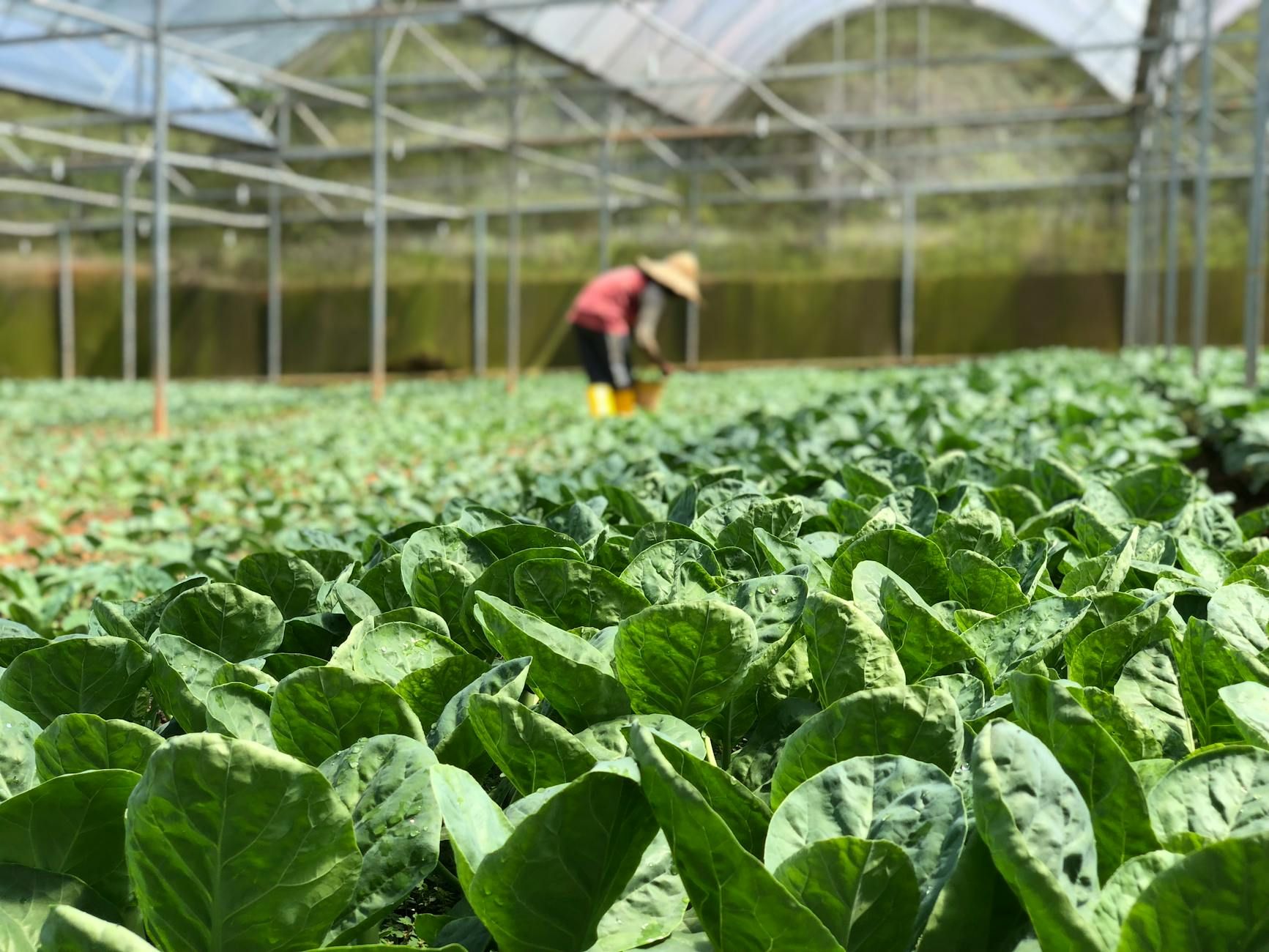

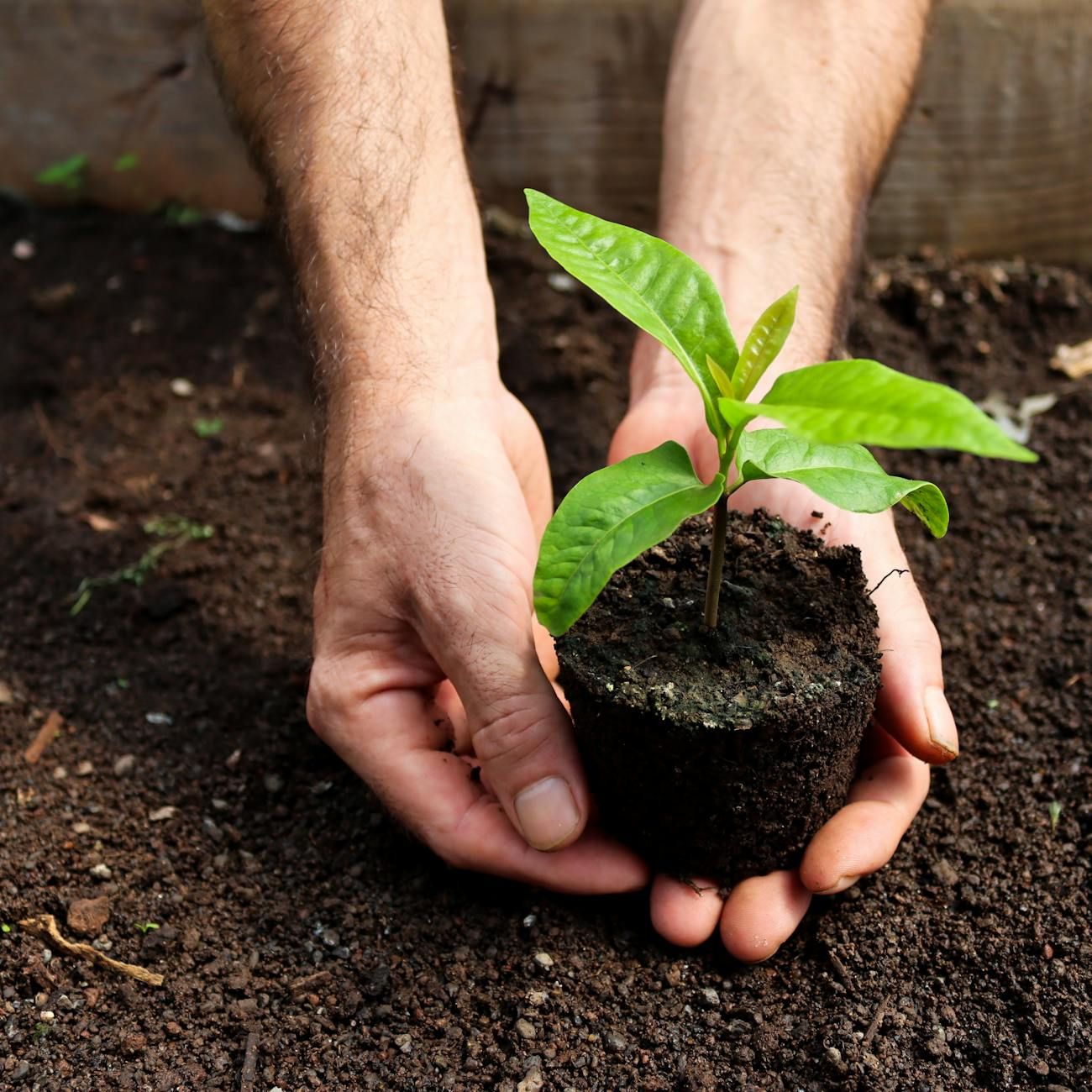
Welcome to our comprehensive guide on the science of fertilisers and how to feed your garden for maximum yield. In this article, we will delve into the world of fertilisers for garden, plant nutrition, and provide you with essential garden care tips to help you improve plant growth and maximise your garden yield.
When it comes to feeding your garden, understanding the importance of plant nutrition is key. Plants require essential nutrients to thrive, and these nutrients can be supplied through fertilisers. There are two main types of fertilisers: organic fertilisers and synthetic fertilisers.
Organic fertilisers are derived from natural sources such as compost, manure, and bone meal. They are rich in organic matter and provide a slow release of nutrients to the soil, improving soil health over time. Organic fertilisers are ideal for long-term soil fertility and sustainability.
Synthetic fertilisers, on the other hand, are manufactured chemically and provide a quick release of nutrients to plants. While synthetic fertilisers can deliver rapid results, they may have environmental drawbacks if overused. It is important to use synthetic fertilisers sparingly and according to the manufacturer's instructions.
Before choosing a fertiliser for your garden, it is essential to understand the nutrient requirements of your plants. Different plants have different nutritional needs, so it is crucial to select a fertiliser that matches those requirements. A soil test can help you determine the nutrient levels in your soil and guide you in choosing the right fertiliser.
Improving soil health is another crucial aspect of maximising garden yield. Healthy soil provides a strong foundation for plants to grow and thrive. Adding organic matter to the soil, such as compost or manure, can help improve soil structure, water retention, and nutrient availability. Regularly testing the pH of your soil and making adjustments as needed can also promote optimal plant growth.
When applying fertilisers to your garden, it is essential to follow the recommended application rates and schedules. Over-fertilisation can lead to nutrient imbalances, nutrient leaching, and even plant damage. By following the guidelines provided on the fertiliser packaging, you can ensure that your plants are receiving the right amount of nutrients for healthy growth.
Some of the best fertilisers for plants include balanced fertilisers that contain a mix of nitrogen, phosphorus, and potassium (N-P-K). These essential nutrients support plant growth, root development, flowering, and fruiting. Fertilisers with micronutrients such as iron, zinc, and manganese can also help address specific nutrient deficiencies in plants.
In conclusion, understanding the science of fertilisers is crucial for feeding your garden and maximising your plant yield. By choosing the right fertilisers for your plants, improving soil health, and following best practices for garden care, you can promote healthy plant growth and a bountiful garden harvest. Remember to nurture your garden with care and watch it flourish before your eyes!