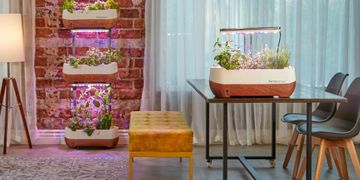
Vertical Edibles: How AI-Powered Green Walls Are Solving Small Space Food Security

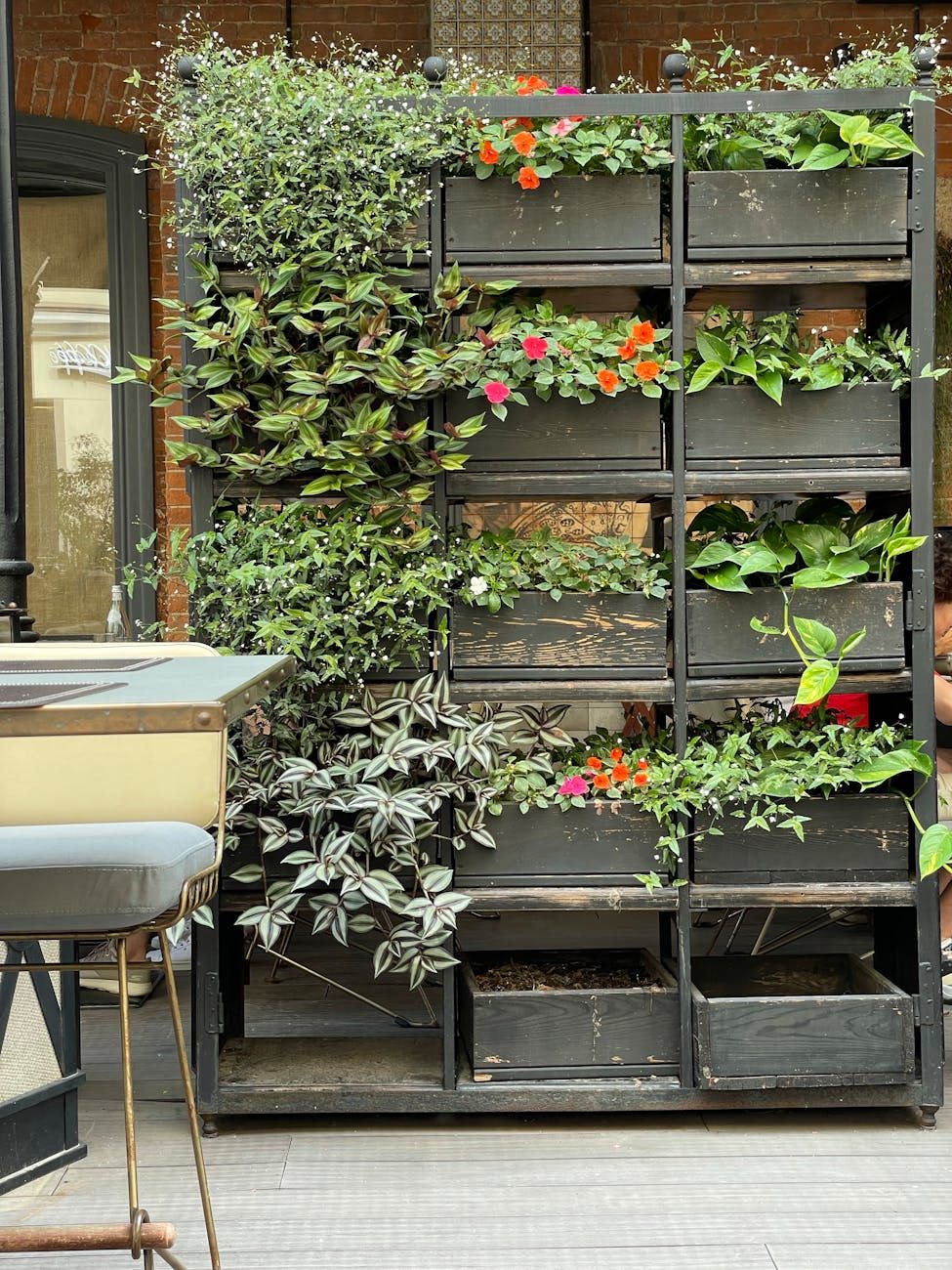

Living in a city often means sacrificing the luxury of a sprawling backyard garden. With limited outdoor space, many urban dwellers find themselves unable to grow their own fresh produce. However, innovative solutions are emerging to address this issue, such as vertical edible gardens and AI-powered green walls.
Vertical edible gardens are a modern approach to small space farming that allow individuals to cultivate their own fruits, vegetables, and herbs in a sustainable and space-efficient manner. By utilizing vertical planters and hydroponic wall systems, these gardens maximize growing space by stacking plants vertically, rather than spreading them out horizontally. This vertical arrangement not only saves space but also creates a visually appealing green display in any indoor or outdoor setting.
One of the key features of vertical edible gardens is the integration of AI technology through smart vertical planters. These planters are equipped with sensors that monitor factors such as humidity, temperature, and light levels to ensure optimal growing conditions for the plants. AI algorithms analyze the data collected by these sensors and automatically adjust watering and nutrient levels to promote plant growth. This level of automation allows even novice gardeners to successfully grow their own produce with minimal effort.
AI-powered green walls take vertical gardening a step further by combining the benefits of vertical planters with advanced technology. These automated indoor gardens are designed to not only provide fresh herbs and vegetables but also serve as a decorative element in any living space. Imagine having a lush green wall in your home that not only enhances the aesthetic appeal but also produces fresh ingredients for your meals.
For city dwellers with limited outdoor space, such as a balcony or a small patio, vertical edible gardens offer a practical solution for creating a balcony vegetable garden. These compact gardens can be easily installed and maintained, making home food tech accessible to anyone interested in sustainable urban living. With the ability to grow your own food at home, individuals can reduce their carbon footprint by sourcing produce locally and minimize food waste by harvesting only what they need.
Furthermore, vertical edible gardens and AI green walls play a crucial role in addressing urban food security issues. By empowering individuals to grow their own food, these innovative solutions reduce reliance on traditional grocery stores and promote self-sufficiency in food production. In a world where access to fresh and healthy food is becoming increasingly important, vertical gardening offers a sustainable and scalable approach to feeding urban populations.
In conclusion, vertical edible gardens and AI-powered green walls are revolutionizing the way we think about urban agriculture. By leveraging technology and innovative design, these solutions are providing city dwellers with the tools they need to grow their own food in limited spaces. As we continue to seek sustainable ways of living in urban environments, vertical gardening offers a promising path towards a more self-sufficient and environmentally conscious future.