Lighting Design: How to Turn One Room into Three Using Zoning
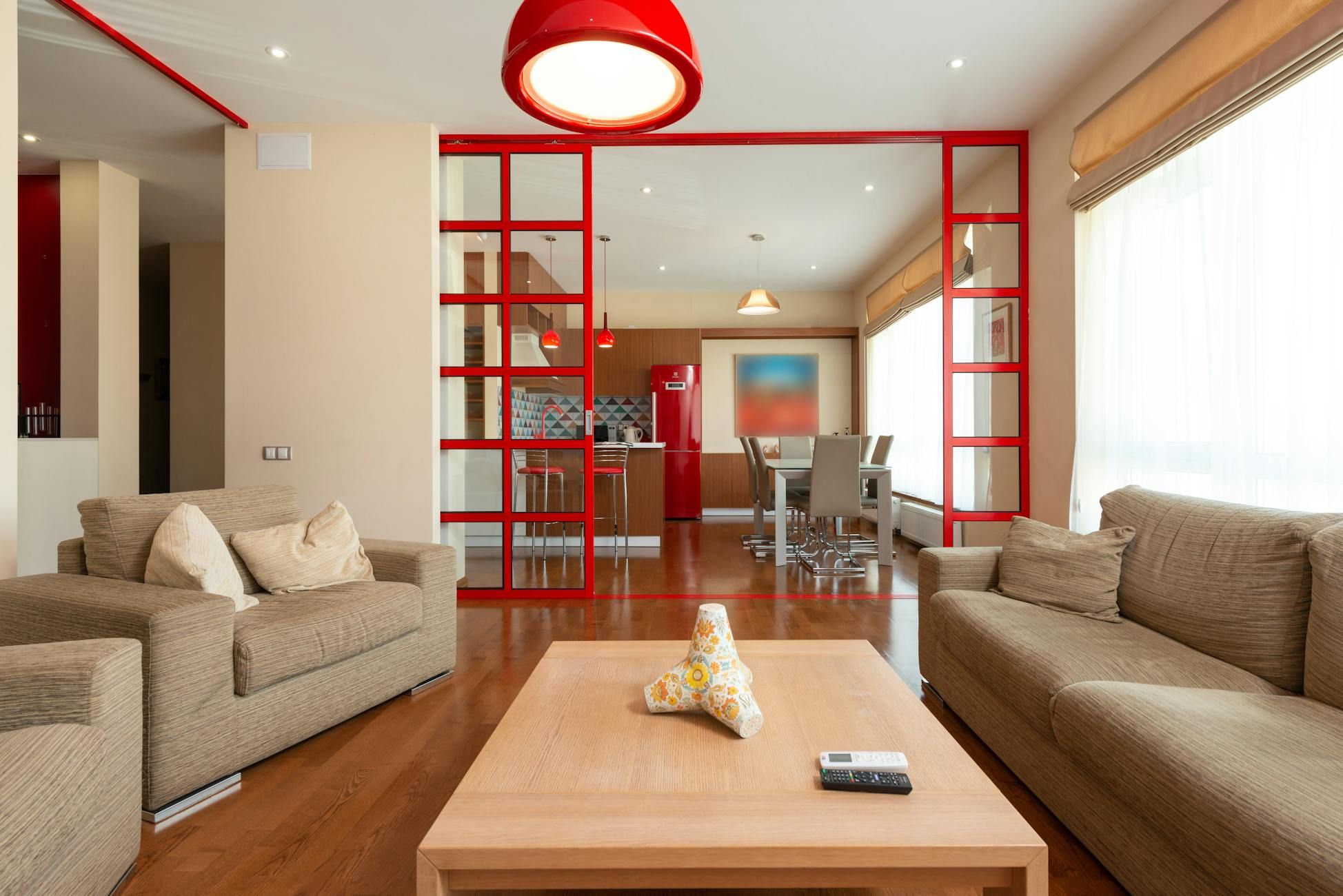
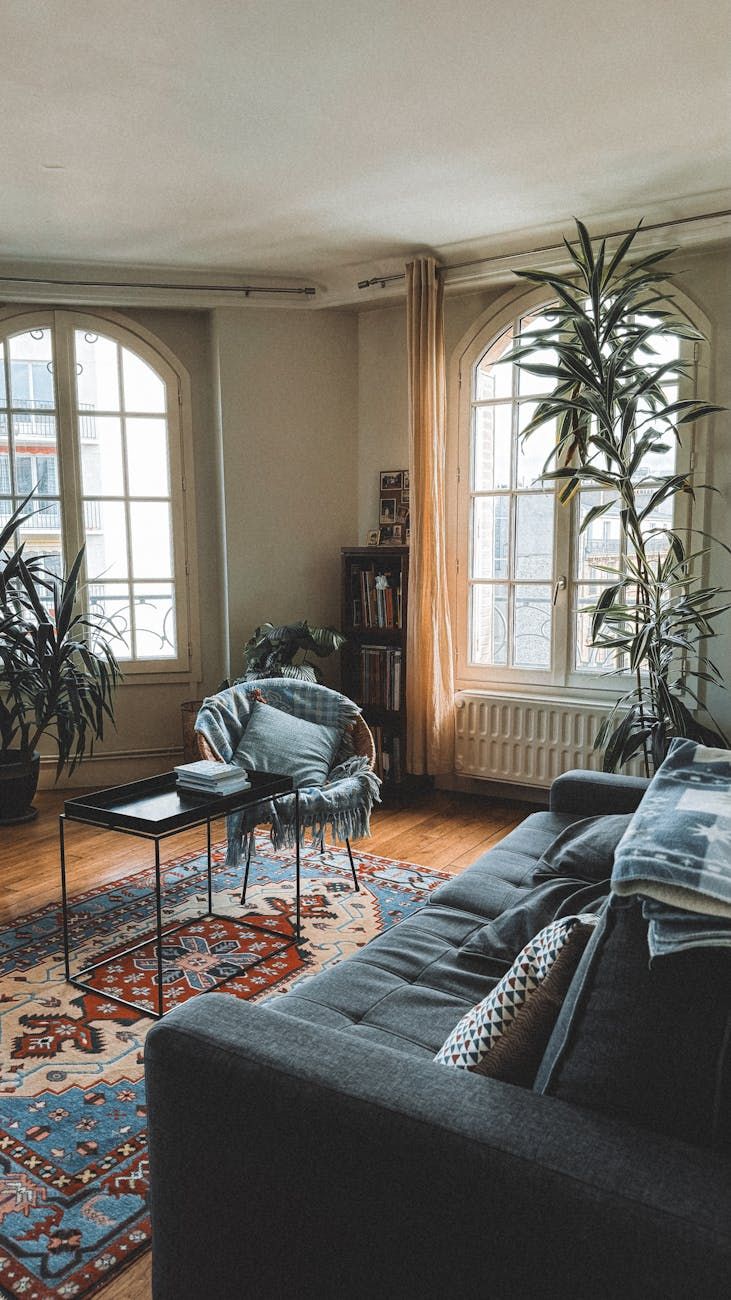
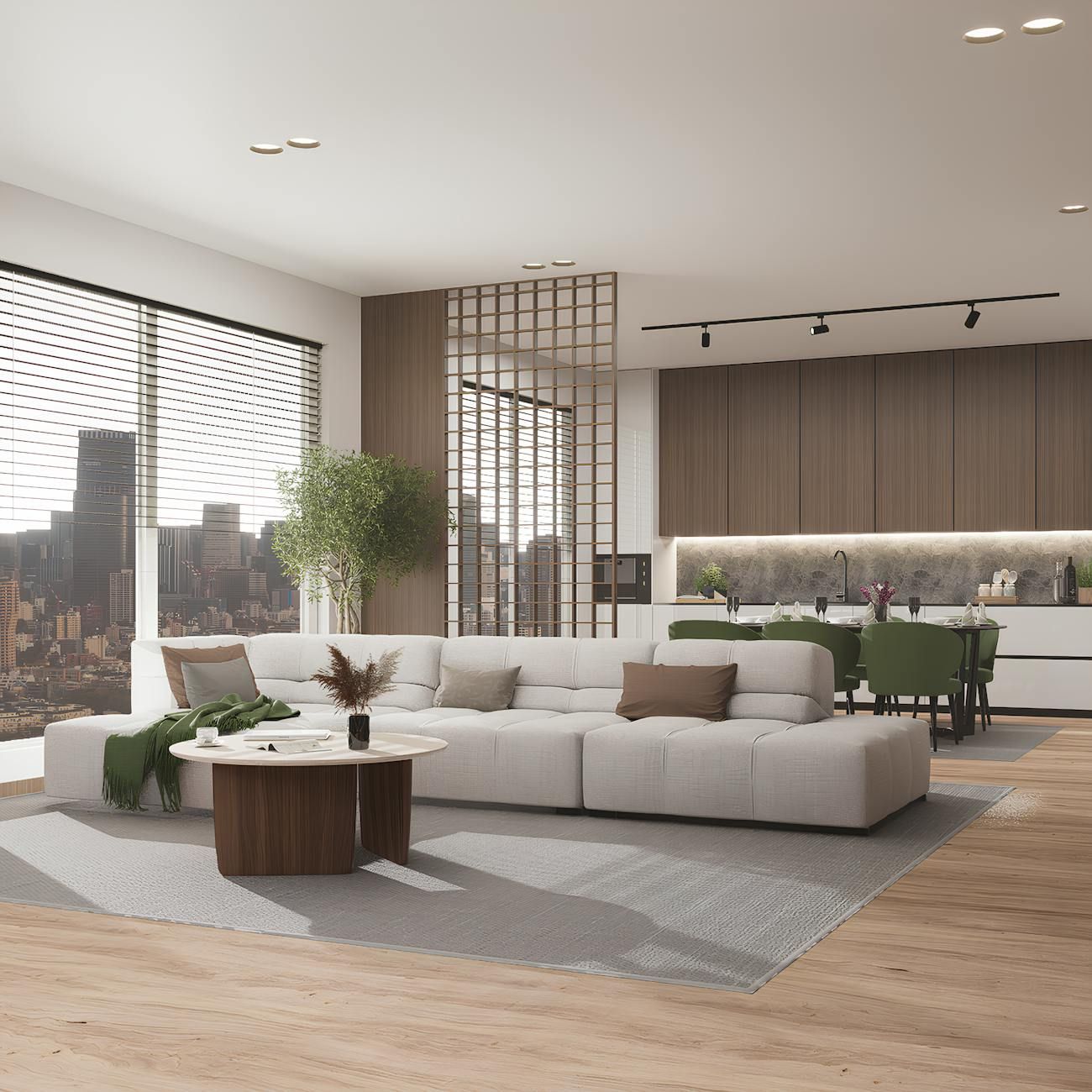
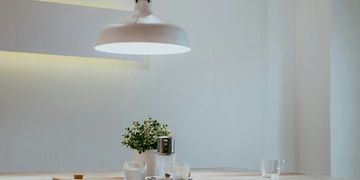
When it comes to interior lighting, creating different zones within a room can make a huge impact on the overall ambiance and functionality. By employing layered lighting design and room zoning techniques, you can transform a single space into multiple areas with distinct purposes. This not only enhances the aesthetic appeal of the room but also provides practical and functional lighting solutions for various activities.
1. Understanding Interior Lighting Zones
Interior lighting zones refer to different areas within a room that require specific lighting solutions based on their function and ambiance. By dividing a room into zones, you can customize the lighting design to suit the activities that take place in each area. This approach allows for a more versatile and dynamic lighting setup that can adapt to different needs throughout the day.
2. Layered Lighting Design
Layered lighting design involves the use of multiple light sources to create depth, texture, and dimension in a room. By combining different types of lighting, such as ambient, task, and accent lights, you can achieve a balanced and well-lit space. This approach not only enhances the overall aesthetics of the room but also improves the functionality of the lighting system.
3. Room Zoning Techniques
Room zoning techniques involve dividing a space into distinct areas based on their specific functions or activities. Each zone is then equipped with tailored lighting solutions to meet the requirements of that particular area. This allows for greater flexibility and customization in lighting design, making the room more versatile and adaptable to different uses.
4. Functional Lighting Solutions
When designing a multipurpose room, it's essential to incorporate functional lighting solutions that can cater to a variety of activities. Task lighting, for example, is crucial for areas where specific tasks are performed, such as reading or working. By strategically placing task lights in these zones, you can ensure adequate illumination for the task at hand.
5. Accent Lighting Ideas
Accent lighting is used to highlight architectural features, artwork, or specific objects in a room. By strategically placing accent lights in key areas, you can draw attention to focal points and create visual interest. This type of lighting adds depth and drama to the space, enhancing its overall aesthetic appeal.
6. Home Lighting Layers
Creating multiple layers of lighting in a room allows you to control the intensity and ambiance of the space. By combining ambient, task, and accent lights, you can achieve a well-balanced lighting scheme that enhances both the functionality and aesthetics of the room. Each layer serves a specific purpose and contributes to the overall lighting design.
7. Spatial Zoning Light
Spatial zoning light involves illuminating different areas of a room based on their spatial characteristics. By adjusting the intensity and color temperature of the lights in each zone, you can create distinct atmospheres within the same space. This technique allows you to customize the lighting design to suit the mood and function of each area.
8. Ambient Lighting Tips
Ambient lighting serves as the base layer of illumination in a room, providing general light to ensure visibility and comfort. By strategically placing ambient lights throughout the space, you can create a warm and inviting atmosphere. This type of lighting is essential for setting the overall tone of the room and creating a welcoming environment.
9. Multipurpose Room Lighting
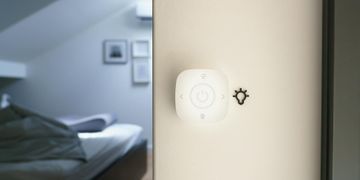
In multipurpose rooms, it's crucial to design a lighting scheme that can adapt to different activities and functions. By incorporating versatile light fixtures and adjustable controls, you can easily transform the lighting setup to suit various needs. This flexibility allows the room to serve multiple purposes without compromising on lighting quality.
10. Creative Light Placement
When it comes to lighting design, creative light placement can make a significant difference in the look and feel of a room. Experiment with different lighting angles, heights, and positions to create unique effects and highlight specific areas. By thinking outside the box and exploring unconventional lighting solutions, you can add a touch of personality and style to your space.
By incorporating interior lighting zones, layered lighting design, and room zoning techniques, you can elevate the look and functionality of any room. From functional lighting solutions to accent lighting ideas, there are endless possibilities to explore when it comes to home lighting design. Implementing creative light placement and spatial zoning light can turn a single room into a multifunctional and visually engaging space that caters to your every need.
Discover the power of ambient lighting tips and home lighting layers to transform your living space into a versatile and inviting environment that reflects your personal style and enhances your daily activities.