Adaptive Style: How Inclusivity-First Design Is Changing The Fashion Mainstream
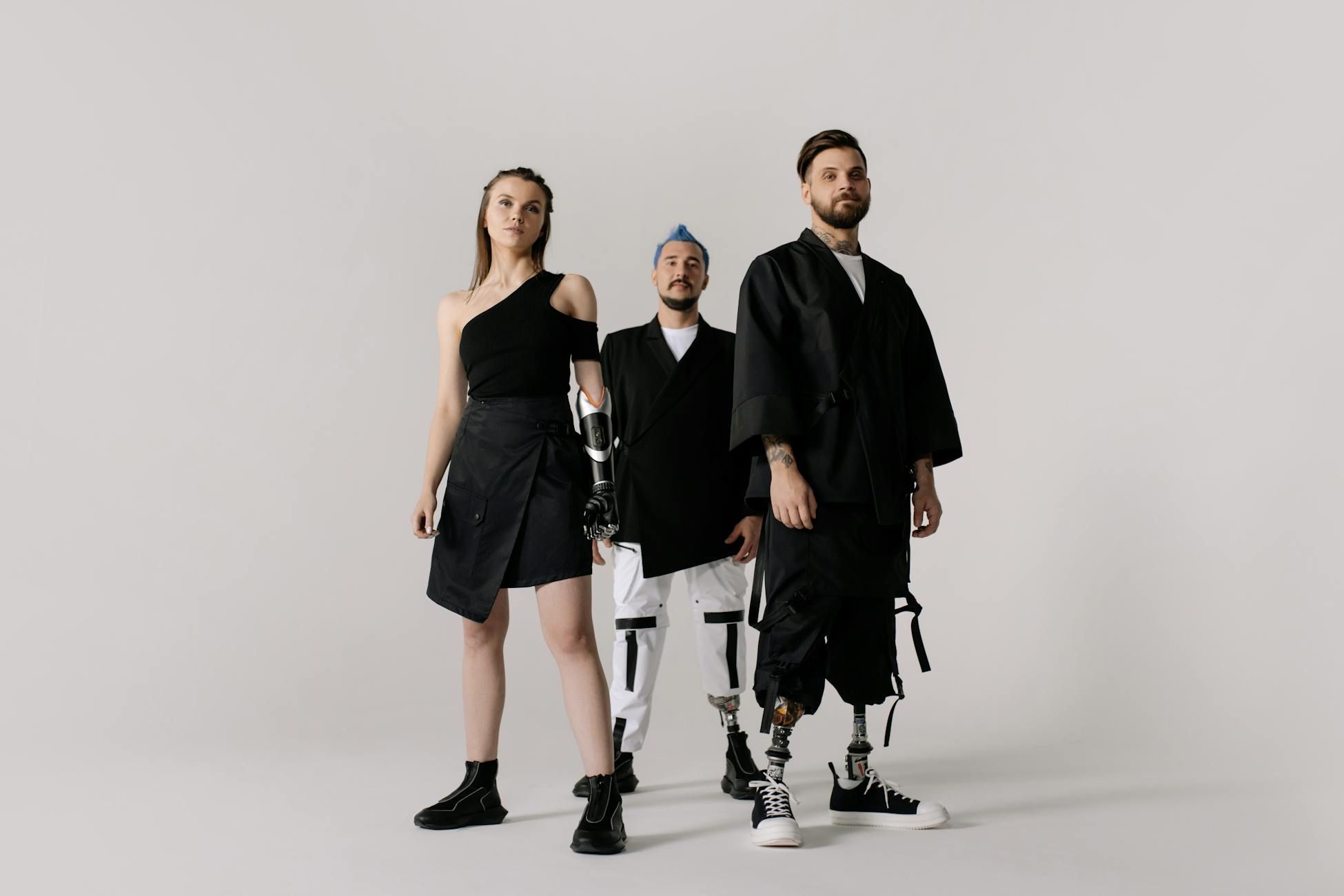
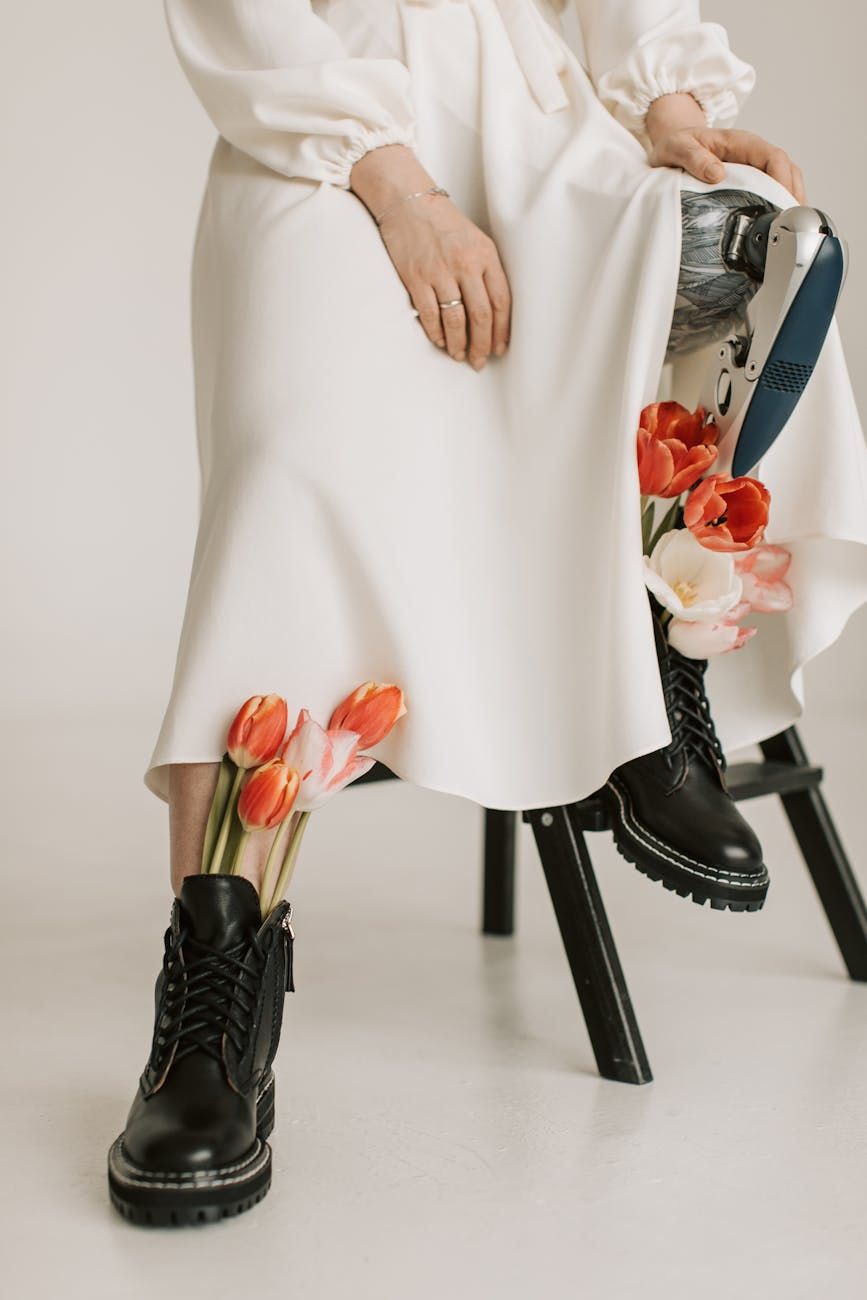
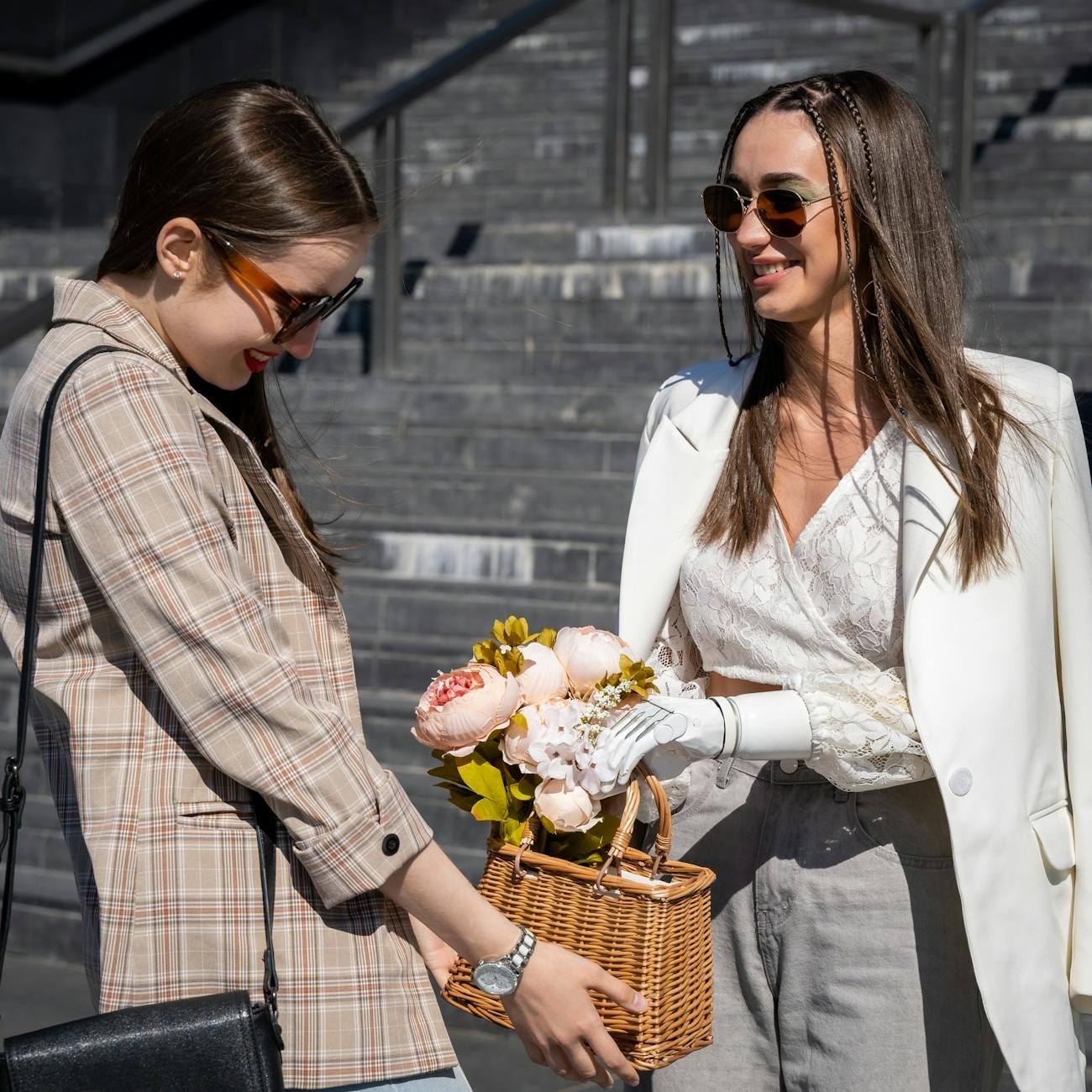
The fashion industry is experiencing a revolutionary shift towards inclusivity-first design, as adaptive fashion trends are making their way into the mainstream. This shift represents a significant step towards a more accessible and diverse fashion landscape, where the needs of all individuals are taken into account. From sensory-friendly clothing to magnetic closure garments, the rise of inclusive design is transforming the way we perceive and interact with fashion.
One of the key aspects of this movement is the emphasis on creating sensory-friendly clothing that caters to individuals with sensory sensitivities. Fabrics that are soft and non-restrictive, seamless constructions, and tagless designs are becoming increasingly popular in the market. These garments prioritize comfort and functionality, offering a solution for those who may experience discomfort with traditional clothing materials and fastenings.
Another notable trend within the realm of adaptive fashion is the incorporation of magnetic closures in garments. This feature allows for easy dressing and undressing, eliminating the need for complex buttons or zippers. Magnetic closure garments not only provide convenience for all individuals but also serve as a stylish and modern alternative to traditional closures.
Universal design fashion is on the rise, with brands focusing on creating apparel that is accessible to a wide range of body types and abilities. From functional apparel designed for specific activities to seated wear silhouettes that accommodate wheelchair users, the industry is embracing a more inclusive approach to design. These innovations not only promote diversity but also challenge the conventional norms of fashion.
Looking ahead, the future of fashion seems to be heading towards a more inclusive and diverse direction. The concept of accessible luxury style is gaining momentum, with high-end brands incorporating adaptive elements into their collections. This shift signifies a departure from exclusive and restrictive fashion standards, towards a more welcoming and inclusive environment for all consumers.
As we move towards 2026, the fashion industry is expected to witness a surge in adaptive clothing innovations that cater to a wide range of needs, including neurodivergent fashion needs. Brands are increasingly recognizing the importance of creating clothing that is not only stylish but also functional and inclusive. This shift towards inclusivity-first design represents a pivotal moment in the fashion industry, one that is reshaping the mainstream narrative and setting new standards for a more diverse and accessible future.