Built-in or freestanding appliances: subtle details you’ll regret after the renovation
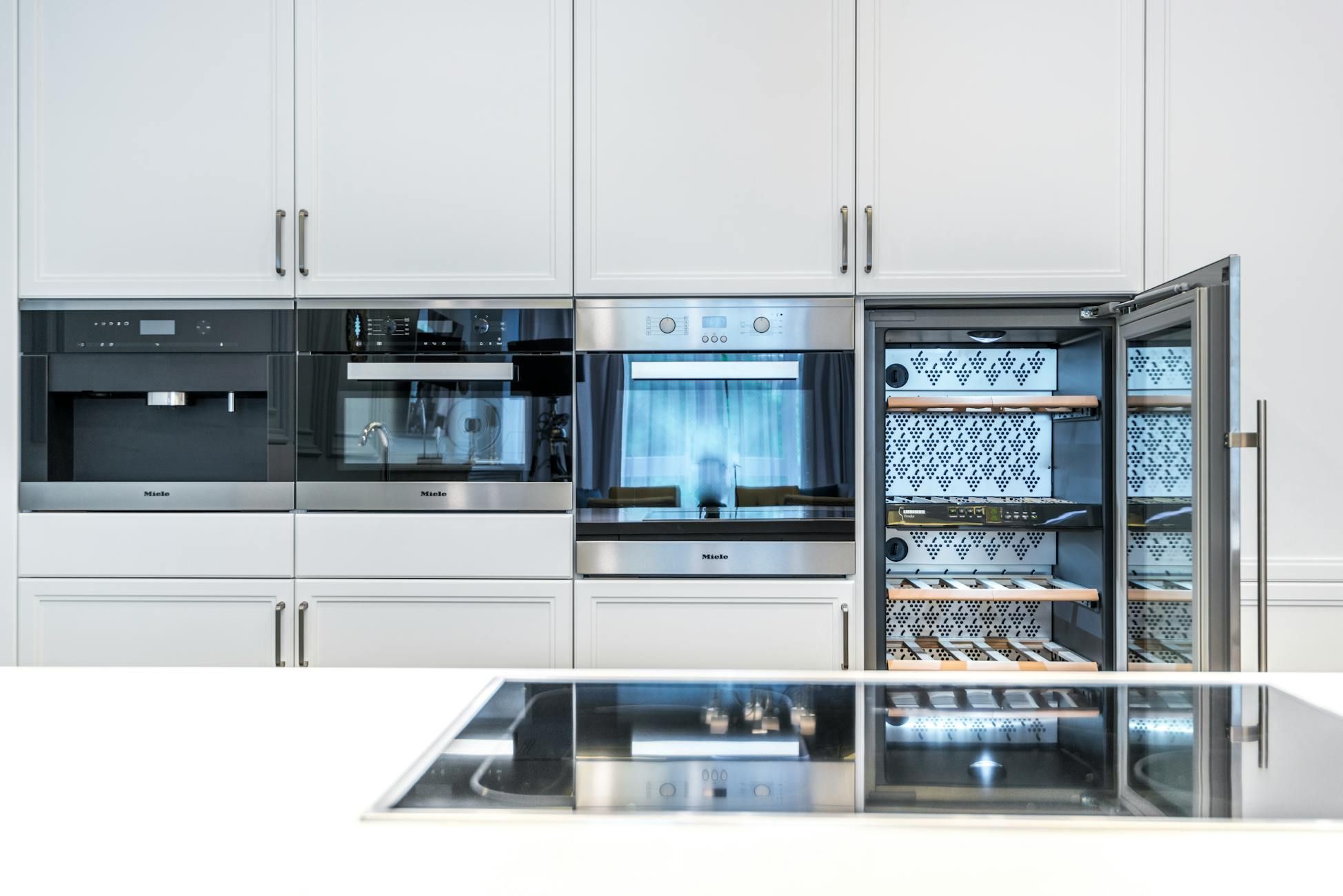
Planning a kitchen remodel is an exciting journey, but it is also filled with high-stakes decisions. One of the biggest dilemmas homeowners face during an integrated kitchen design project is choosing kitchen appliances: should you go for sleek, built in appliances or classic, standalone appliances?
On paper, integrated appliances look like the ultimate dream—seamless, modern, and hidden behind beautiful cabinetry. However, real-world usage often reveals a different story. To help you avoid expensive appliance buying mistakes, this kitchen appliance guide breaks down the subtle, overlooked details of the freestanding vs builtin debate that many homeowners regret only after the renovation is complete.
1. The Shrunk-Volume Trap (Especially the Refrigerator)
The most common post-renovation shock relates to capacity, particularly when dealing with a built in refrigerator.
-
The Reality: To sit flush with your standard 60 cm deep kitchen cabinets, an integrated fridge must be shallower than a freestanding one. Additionally, it loses valuable internal centimeters to the housing unit and ventilation gaps.
-
The Regret: A built-in fridge typically offers 20% to 30% less internal volume than a freestanding model of the same exterior width. If you have a large family or love bulk buying, you might find your sleek new kitchen suddenly cannot hold a week's worth of groceries.
2. The Maintenance and Replacement Nightmare
When a standalone appliance breaks down, fixing or replacing it is a straightforward process. You unplug it, slide it out, and slide a new one in. With integrated units, it becomes a complex construction project.
Important Note: Appliances do not last forever. While your kitchen cabinets might last 20 years, modern appliances have an average lifespan of 7 to 10 years.
-
The Reality: Replacing a built-in appliance requires finding a new model with the exact same niche dimensions down to the millimeter. If the manufacturer changes their sizing standards a few years from now, a replacement might require modifying your custom cabinetry.
-
The Regret: Even simple repairs can become costly. Technicians often charge extra just to safely extract an integrated appliance from its housing without damaging the surrounding furniture.
3. The Hidden Cost Escalation
Budget inflation is one of the most vital kitchen renovation tips to keep in mind. Opting for a seamless look will impact your wallet in three distinct ways: initial purchase cost, installation fees, and cabinetry cost.
Built-in appliances are significantly higher in price for the same technical specifications. They also require professional joiners to mount custom facades and demand expensive custom housing units. On the other hand, freestanding appliances are budget-friendly, offer more competitive options, require zero furniture housing, and are essentially plug-and-play.
Choosing an integrated setup means you are paying a heavy premium strictly for aesthetics, which might eat into your budget for higher-quality materials elsewhere.
4. Ventilation and Efficiency Issues
Freestanding appliances are designed to dissipate heat naturally into the room. Built-in appliances, however, are trapped inside wooden boxes.
-
The Reality: For an integrated fridge or oven to function efficiently, your kitchen installers must strictly follow ventilation grid guidelines. Air needs to flow in from the bottom and escape from the top.
-
The Regret: If the installers cut corners—or if the ventilation path gets choked with dust over time—the appliance will constantly overheat. This forces the compressor to work twice as hard, leading to higher electricity bills and premature appliance failure.
5. Permanence vs. Flexibility
Life changes, and so do your kitchen needs. One of the best pieces of kitchen remodel advice is to design with future flexibility in mind.
-
The Reality: Freestanding appliances offer mobility. If you realize your counter space is too small, you can easily relocate a standalone microwave or wine cooler. If you move houses, you can take your premium freestanding stove with you.
-
The Regret: Built-in appliances lock your kitchen layout in stone. You cannot rearrange your workspace or upgrade to a wider oven without tearing down a portion of your cabinetry.
The Verdict: Which Should You Choose?
To make sure you don't look back on your renovation with regret, match your choice to your lifestyle priorities rather than just Pinterest trends.
-
Go Built-In if: You have a small or open-concept living space where visual harmony is critical, you have the budget for premium installation, and you value a minimalist, seamless aesthetic over maximum storage capacity.
-
Go Freestanding if: You prioritize maximum capacity (especially for food storage), you want easy and affordable maintenance, you plan to move in the near future, or you want the best possible appliance features for your money.