The Rise Of Local AI: How To Run Powerful Software Agents Offline For Total Privacy
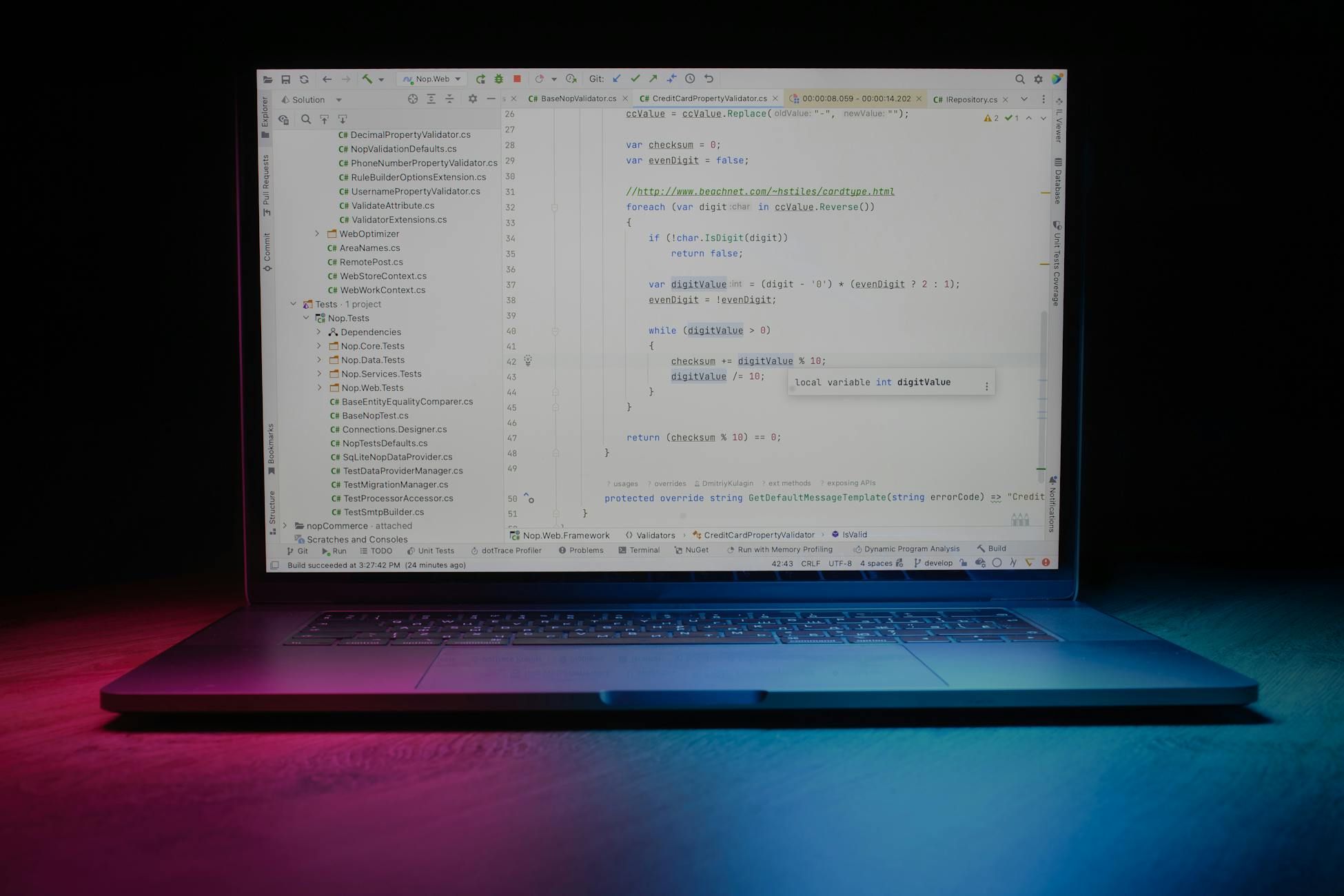

Artificial intelligence (AI) has become an integral part of our daily lives, from virtual assistants on our smartphones to recommendation algorithms on streaming platforms. While these AI technologies offer convenience and efficiency, concerns about data privacy and security have been growing. As a result, there has been a rising interest in local AI software that allows users to run powerful software agents offline for total privacy.
Understanding Local AI and Offline Agents
Local AI software, also known as offline AI agents, enables users to harness the power of artificial intelligence without relying on cloud-based services that may compromise their data security. By processing data on users' devices rather than in the cloud, local AI software provides a more private and secure AI experience. This shift ensures that sensitive documents, personal conversations, and proprietary code never leave the local hardware.
The Shift Toward Open Source Solutions
With the increasing demand for private artificial intelligence solutions, developers have been focusing on creating open source AI tools that empower users to take control of their data and privacy. These AI productivity tools are designed to enhance users' digital experiences while keeping their personal information safe from prying eyes. Open source projects like LM Studio, Ollama, and GPT4All have made it possible for non-technical users to install and run sophisticated models with just a few clicks.
The Evolution of Local LLMs and Autonomous Apps
One notable trend in software privacy is the rise of local LLM (Large Language Models) guides, which are autonomous AI applications that can learn and make decisions without requiring constant internet connectivity. These offline software agents are poised to revolutionize the way we interact with AI technologies in the coming years. Unlike traditional software, these agents can assist with complex tasks—such as advanced data analysis or creative writing—while remaining completely invisible to external servers.
Technical Requirements for the 2026 Landscape
To successfully transition to a local AI setup, users must consider their hardware capabilities. Running powerful agents offline requires:
-
High-performance processors with integrated NPUs (Neural Processing Units).
-
Sufficient RAM (typically 16GB or more) to handle large model weights.
-
Modern GPUs that accelerate the inference process for near-instant responses.
Data Security and Risk Mitigation
Looking ahead to 2026, the landscape of AI technology is expected to be dominated by local AI software and offline AI agents. These decentralized solutions not only offer enhanced data security but also provide users with greater control over their AI-powered devices.
For individuals and organizations seeking to bolster their data security, investing in local AI software and data security tools is crucial. By adopting autonomous AI apps that operate offline, users can minimize the risk of data breaches and protect their sensitive information from unauthorized access.
Conclusion
In conclusion, the rise of local AI software and offline AI agents represents a significant shift in the AI industry towards greater emphasis on privacy and security. As we embrace the era of autonomous AI apps, it is imperative for users to stay informed about the latest developments in AI privacy trends and take proactive measures to safeguard their data in an increasingly interconnected world.