Light Biohacking: How Circadian Lighting In Your Home Controls Energy, Sleep, And Mood
Imagine a world where the lighting in your home not only illuminates the space but also actively contributes to your well-being. This is the concept behind circadian lighting systems, a form of human-centric lighting that mimics the natural patterns of sunlight to regulate our energy levels, sleep quality, and mood.
With the increasing awareness of the impact of light on our bodies, biohacking enthusiasts are turning to smart lighting setups to create healthy home environments that support their well-being. By understanding the role of light in regulating our circadian rhythms, individuals can optimize their living spaces to promote better sleep, enhance energy levels, and improve overall mood.
One of the key factors in circadian lighting is the color temperature of the light. Different color temperatures have varying effects on our bodies, with cooler tones such as blue light suppressing melatonin production and promoting alertness, while warmer tones signal the body that it's time to wind down and prepare for sleep.
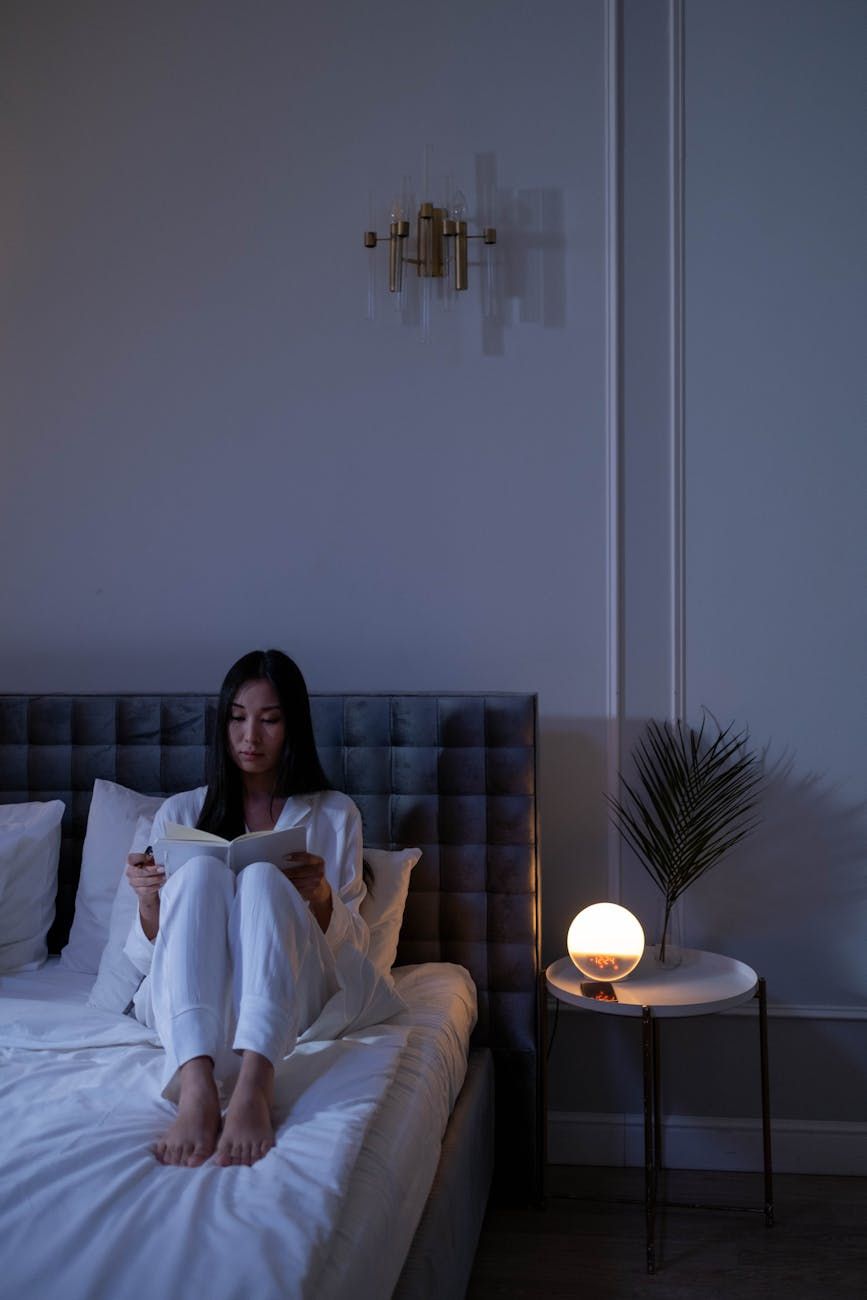
By using smart bulbs that allow for dynamic adjustments in color temperature throughout the day, individuals can create an environment that aligns with their natural circadian rhythms. This means bright, cooler light in the morning to wake up the body and boost energy, gradually transitioning to warmer, softer light in the evening to signal the onset of sleep.
Studies have shown that exposure to blue light in the evenings can disrupt the production of melatonin, the hormone responsible for regulating sleep-wake cycles. By incorporating a circadian lighting system that minimizes blue light during the evening hours, individuals can improve their sleep quality and overall well-being.
In a biohacked home office, circadian lighting can be particularly beneficial. By setting up a smart lighting system that adjusts throughout the day, individuals can maintain optimal focus and productivity levels, while also supporting their natural circadian rhythms. This can lead to increased creativity, improved cognitive function, and better overall work performance.
Looking ahead to the future, the use of smart bulbs and circadian lighting systems is expected to become even more prevalent. By 2026, we can anticipate a widespread adoption of human-centric lighting solutions that cater to our biological needs and enhance our daily lives.
In conclusion, the implementation of circadian lighting in our homes can have a profound impact on our energy levels, sleep quality, and mood. By harnessing the power of light to support our natural rhythms, we can create healthy home environments that promote overall well-being and vitality.