The Zero-Waste Kitchen: How Modern Gadgets and Habits Turn Household Waste into Resources


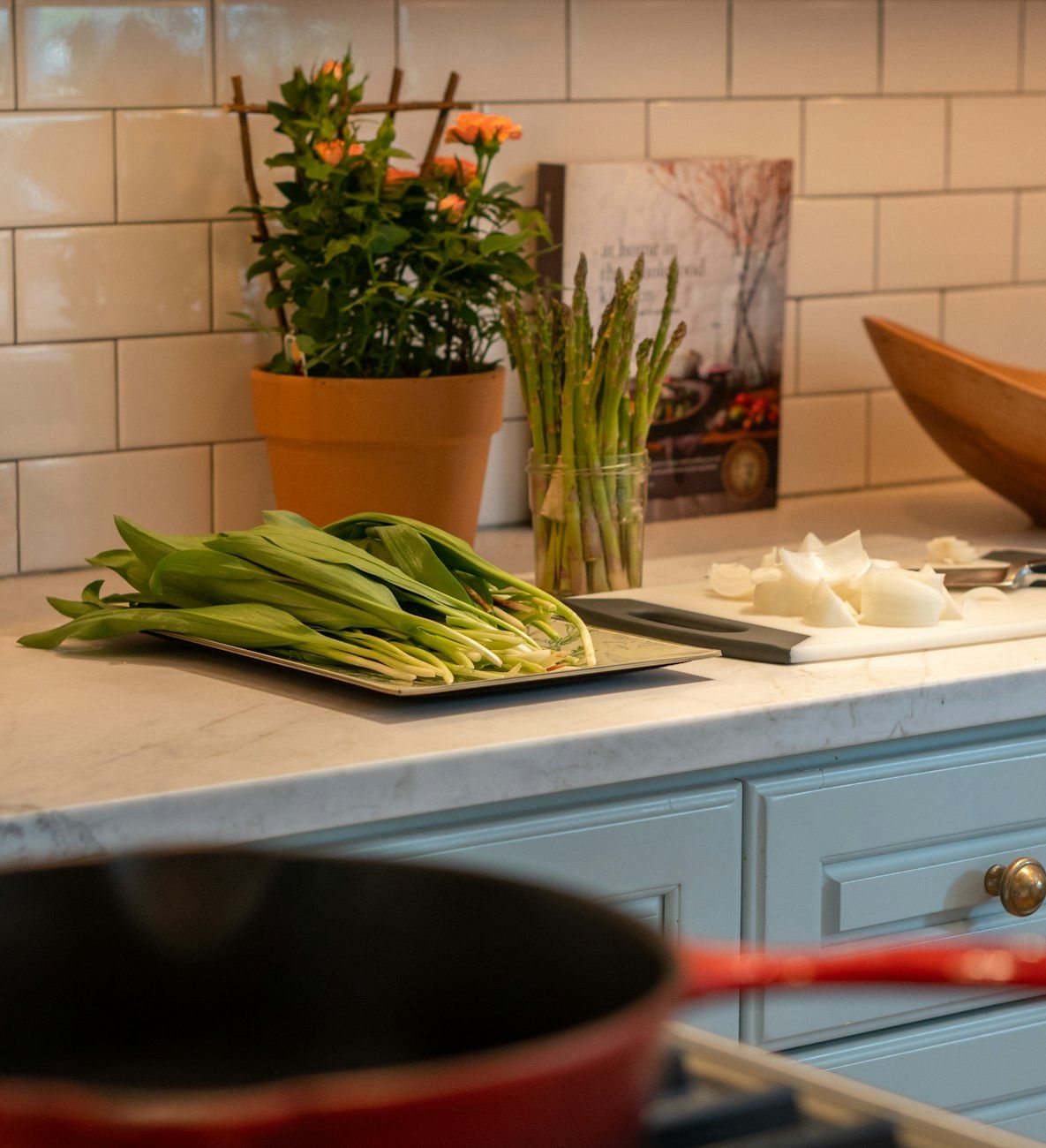
In the quest for sustainable living, the zero-waste kitchen has emerged as a key area where individuals can make a significant impact. By adopting eco-friendly habits and utilizing modern gadgets, households can transform kitchen waste into valuable resources while also saving money and reducing their carbon footprint. Here are some innovative ways to create a zero-waste kitchen in 2026.
Food Storage Tips
Proper food storage is essential in reducing waste in the kitchen. Invest in glass containers and silicone bags for storing leftovers and ingredients. These reusable alternatives to plastic wrap and bags not only help in keeping food fresh for longer but also contribute to a plastic-free environment.
Home Electric Composter
An electric composter offers a convenient solution for recycling food scraps into nutrient-rich compost. Modern composters are designed to fit seamlessly into kitchen countertops, making composting easily accessible to everyone. By diverting organic waste from landfills, electric composters play a vital role in promoting sustainability at home.
Eco-Friendly Habits at Home
Simple habits such as meal planning, buying in bulk, and using cloth napkins instead of disposable ones can significantly reduce waste in the kitchen. Inculcate eco-friendly practices like composting, recycling, and minimizing single-use plastics to create a more sustainable household environment.
Kitchen Organization 2026
Efficient organization is key to maintaining a zero-waste kitchen. Designate specific areas for different types of waste such as compost, recycling, and trash. Opt for storage solutions like stackable containers and drawer organizers to maximize space and streamline kitchen operations.
Windowsill Hydroponics
Grow your herbs and leafy greens indoors with windowsill hydroponics systems. These compact setups use water and nutrients to cultivate plants without soil, making them ideal for urban dwellers with limited space. Fresh produce from your own windowsill not only reduces packaging waste but also ensures a sustainable source of ingredients.
Saving on Groceries
Embrace a zero-waste lifestyle by adopting mindful grocery shopping habits. Buy only what you need, choose products with minimal packaging, and opt for locally sourced goods to reduce the carbon footprint of your meals. Planning meals ahead of time can help in utilizing ingredients efficiently and minimizing food waste.
Home Vacuum Sealer
Invest in a home vacuum sealer to extend the shelf life of perishable items such as meat, fish, and cheese. By removing excess air from packaging, vacuum sealers help in preserving food freshness and preventing spoilage. This not only reduces food waste but also allows for bulk purchases and budget-friendly meal planning.
Smart Home Living
Integrate smart home devices such as energy-efficient appliances, programmable thermostats, and water-saving fixtures to enhance sustainability in your kitchen. Smart technologies can help in optimizing resource usage, minimizing energy consumption, and creating a more eco-friendly living space overall.
Transitioning to a zero-waste kitchen requires a conscious effort to adopt eco-friendly habits and leverage innovative solutions. By embracing sustainable practices and utilizing modern gadgets, households can play a significant role in reducing waste, conserving resources, and promoting a greener future for generations to come.