The Tsundoku Syndrome: How to Declutter Your Bookshelves and Stop Impulse Book Buying
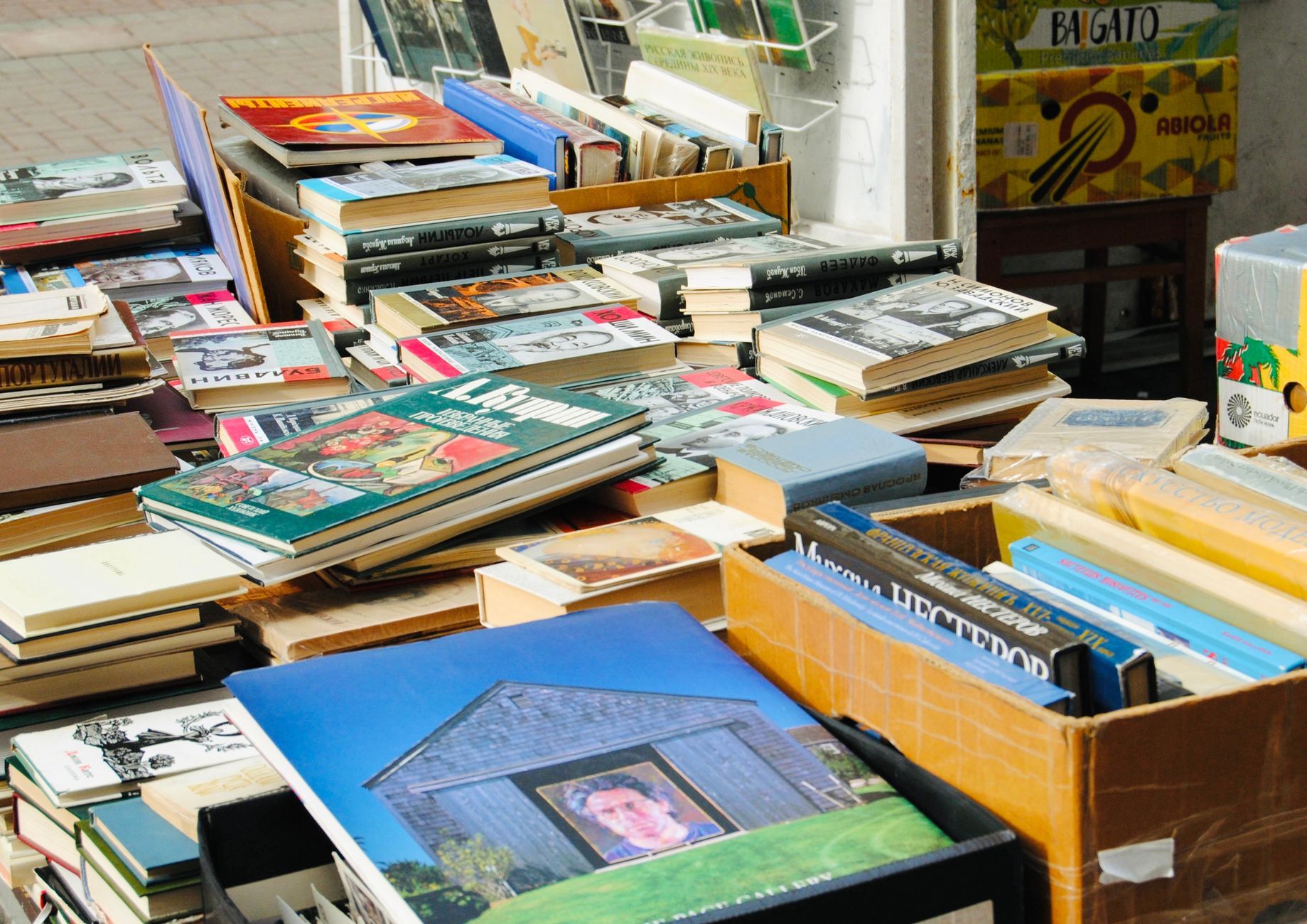
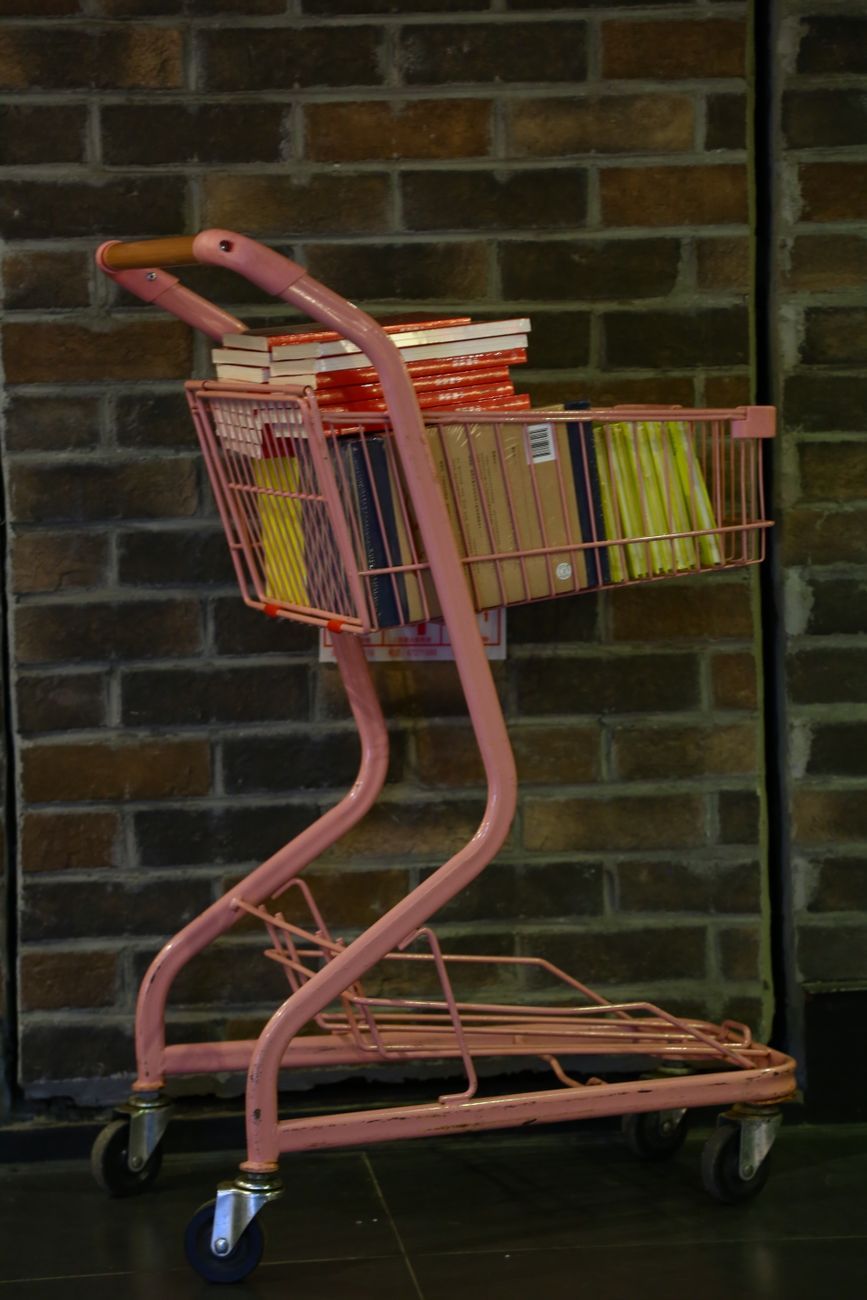
Are you familiar with that feeling when you walk into a bookstore "just to browse" and walk out with a heavy bag? At home, you carefully place your new arrivals on the shelf, promising yourself you'll start reading them this very evening... yet the stack keeps growing, and the pages remain unturned.
In Japanese, there is a specific and very poetic word for this phenomenon: Tsundoku. It refers to the habit of buying printed materials and piling them up at home, leaving them completely unread.
Let's dive into why we do this, why visual clutter on our shelves can be draining, and how to transform a chaotic accumulation of paper into an intentional, inspiring home library.
Why Do We Buy Books in Advance?
Psychologists suggest that the Tsundoku effect is rarely driven by a real need for information. More often, it is an emotional marker stemming from three main reasons:
-
Buying an ideal version of ourselves. When we purchase a complex philosophical treatise or a book on time management, our brain gets a quick hit of dopamine. It feels as though we have already become smarter and more productive simply by owning the item.
-
Fear of missing out (FOMO). Publishers masterfully hype audiences with "limited editions," "exclusive covers," and "the number one bestseller of the year." We feel that if we don't buy the book right now, we will miss out on something fundamentally important.
-
Books as therapy and aesthetics. A beautiful binding, a tactile cover, and the smell of fresh ink provide a powerful tool for reducing stress in a digital world.
Keep in mind: Buying books and reading books are two entirely different hobbies that require completely different resources. The first only requires money; the second requires your time and focused attention.
Step-by-Step Guide: Decluttering Your Bookshelf
If your shelves are already sagging under the weight of book spines and dusting them has turned into a nightmare, it's time for a gentle revision based on minimalist principles.
Step 1. Gather all books in one place
Take absolutely every book out of your cabinets, off your nightstands, and away from your windowsills. Pile them all up together on the floor. This radical step is necessary so you can physically witness the true scale of your book accumulation.
Step 2. Strict sorting by category
Take each book in your hands and honestly answer this question: “Am I going to read (or re-read) this in the coming year?”. Divide the pile into three stacks:
-
Keep: Favorite authors, collector's editions, reference books you regularly consult, and the top 5 books you will definitely read next.
-
Maybe: Randomly purchased books that have been sitting idle for more than two years.
-
Let go: Gifts that didn't match your interests, impulse purchases from sales, old thrillers you'll only read once, and textbooks that are no longer relevant.
Step 3. Eco-friendly parting
Minimalism isn't about tossing paper into the trash bin. Give your books a second life:
-
Bookcrossing and libraries: Take fiction to your nearest local library or leave it on book-sharing shelves in coffee shops.
-
Garage sales and marketplaces: Rare or expensive editions in pristine condition can be easily resold online.
-
Charity: Family centers or shelters will happily accept children's literature and educational books.
How to Organize Shelves for Visual Calmless
Once only the truly valuable copies remain in your cabinet, it is important to display them correctly to avoid visual noise.
-
Leave some "air." Don't cram your shelves to maximum capacity. Leave about 20–30% of free space on each shelf. This makes the interior feel light and aesthetically pleasing.
-
Mix in decor. Use open zones for beautiful accents: place a minimalist vase with dried flowers or a scented candle between books, or use stylish wooden bookends.
-
Sort by color or size. If a clash of covers bothers you, try arranging your books by color gradient or group them by height. You can also turn the brightest covers backward to face the wall (a stylish Pinterest trick) or move them to closed cabinets.
3 Golden Rules to Stop Impulse Buying
To prevent the Tsundoku effect from returning next month, build three simple habits into your life:
The "One In, One Out" Rule
Bought a new book? That means one old book from your home library needs to be gifted or sold. This keeps the total quantity of your belongings under strict control.
-
Keep a "Waiting List." Create a note on your phone. As soon as you see a recommendation or a beautiful cover, write it down there. Only return to the list after two weeks. In 80% of cases, the urge to buy the book will have vanished.
-
Use the "30 Pages" Rule. Start reading the book in digital format or look through a free preview before purchasing the physical copy. If the magic doesn't happen within 30 pages, you've saved both your money and space in your home.
In Conclusion
A home library should be a source of inspiration, not a silent reproach for misspent money. Surround yourself only with books that reflect your true self, give you energy, and make your home cozy. Remember: the quality of your library is always far more important than the quantity of book spines on the shelf.