Local AI stations: How To Collect Hardware To Run Neural Networks At Home
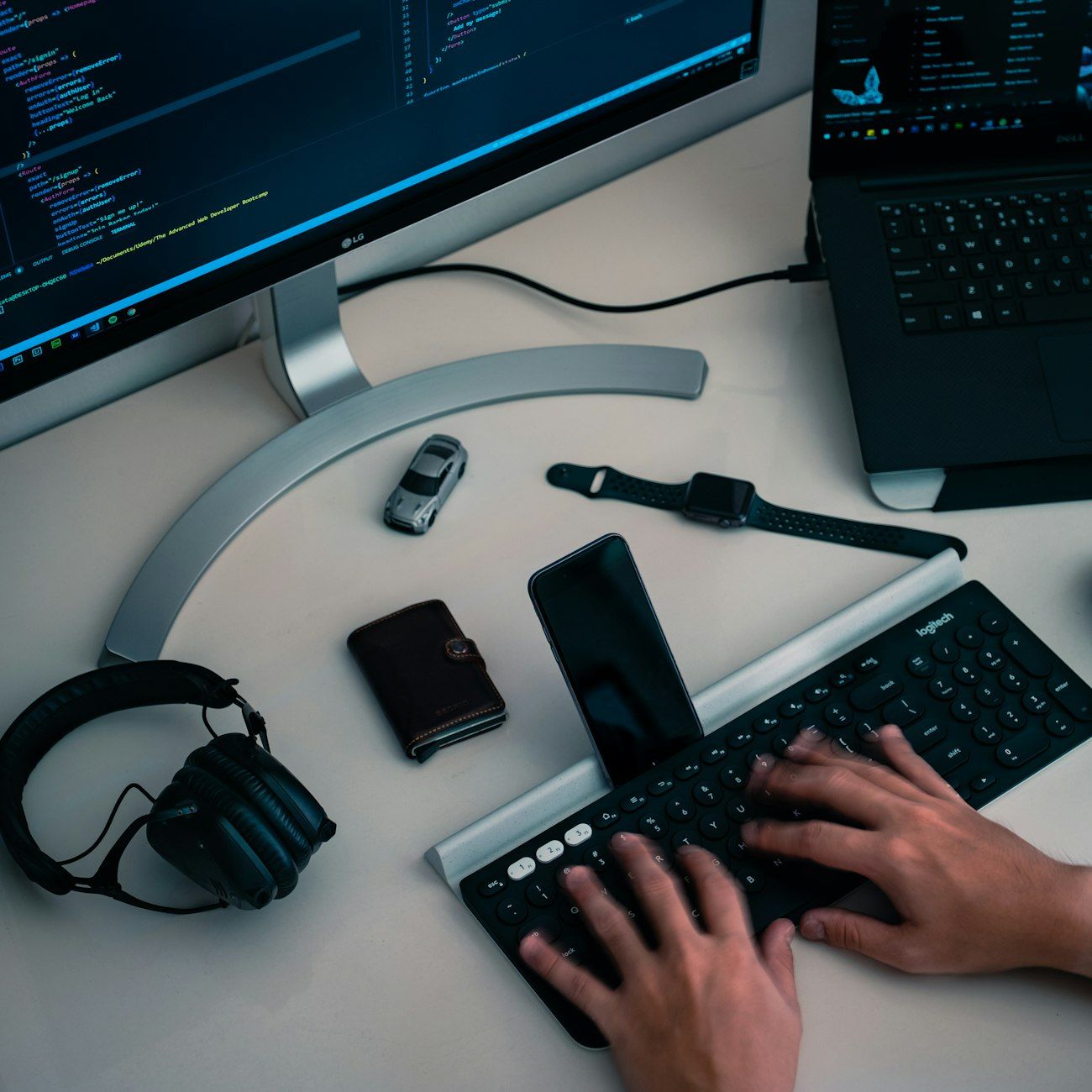
Welcome to the world of local AI stations! Are you ready to dive into the exciting realm of home neural networks and build your personal AI station? With the right AI hardware guide, you can unleash your creativity and run AI computations at home. Let's explore how you can set up your very own local AI setup and embark on thrilling DIY neural network projects.
Building AI at home has never been more accessible, thanks to the advancements in AI computing hardware. Gone are the days when running complex machine learning algorithms required massive server farms. Now, you can power your AI projects right from the comfort of your home.
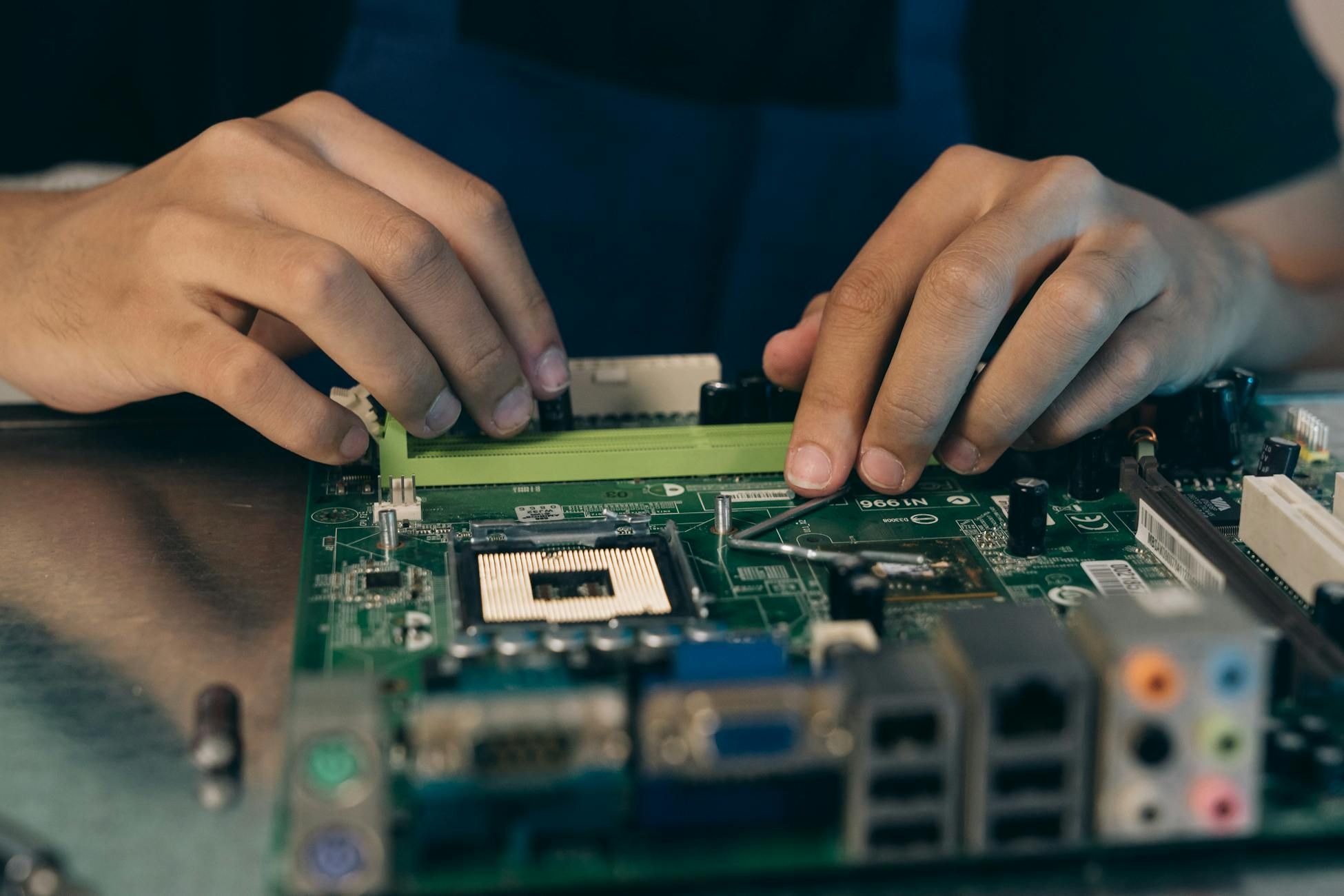
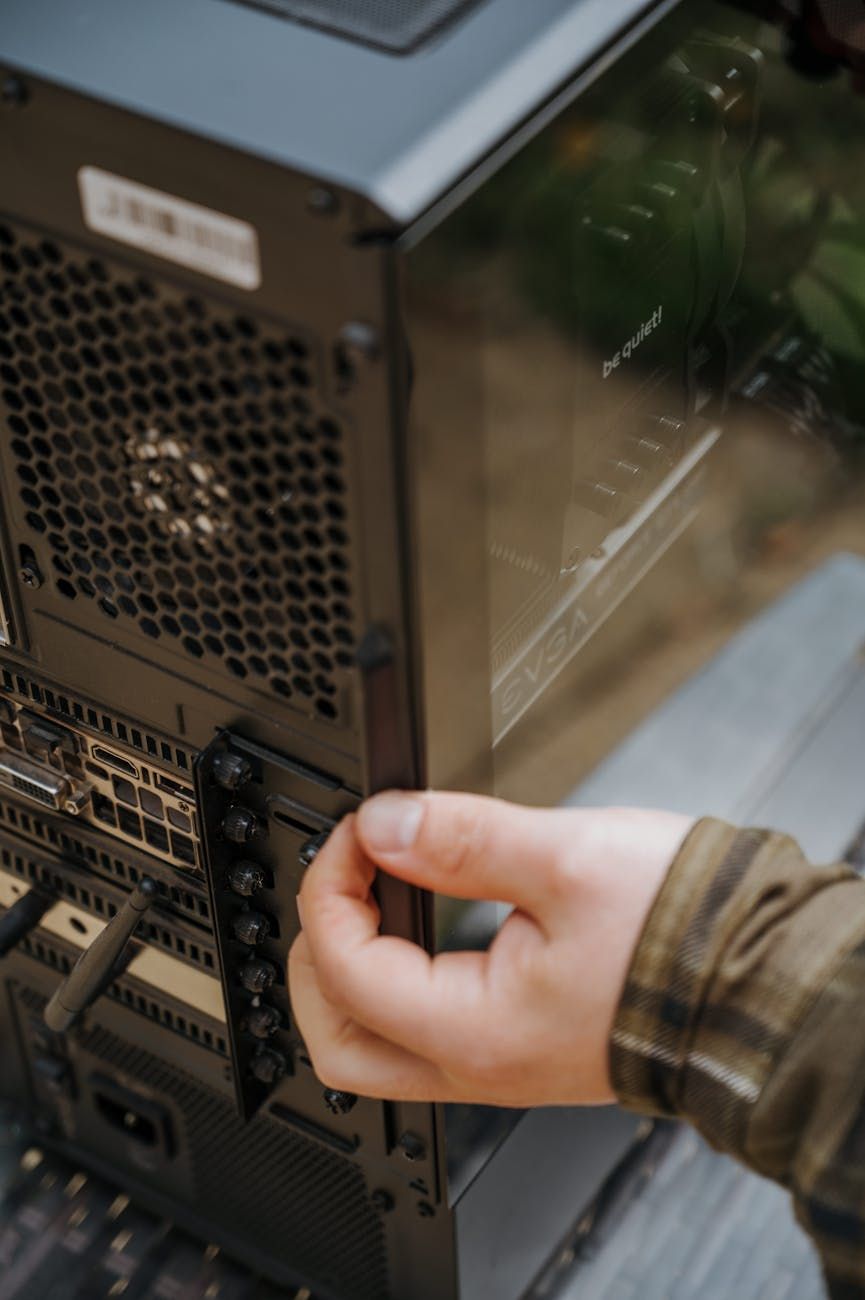
When it comes to setting up your personal AI station, the first step is to gather the necessary hardware components. Let's dive into the essential elements you'll need to run AI locally:
1. GPU (Graphics Processing Unit)
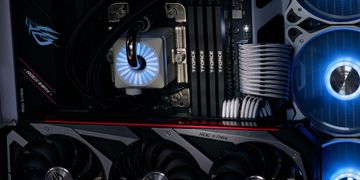
A powerful GPU is at the core of any AI computing setup. GPUs are specifically designed to handle the matrix operations and parallel computations that neural networks demand. Look for a GPU with a high number of CUDA cores and ample VRAM to ensure smooth AI model training and inference.
2. CPU (Central Processing Unit)
While the GPU does the heavy lifting during AI computations, a solid CPU is also essential to support overall system performance. Opt for a multi-core processor with a high clock speed to complement your GPU's capabilities.
3. RAM (Random Access Memory)
Having sufficient RAM is crucial for loading large datasets into memory during AI training. Aim for a balance between capacity and speed to prevent bottlenecks in your workflow. Consider investing in fast DDR4 or DDR5 memory for optimal performance.
4. Storage
Fast storage drives are essential for storing datasets, model weights, and intermediate results. Solid State Drives (SSDs) provide quick access to data and help reduce loading times during AI tasks. Consider setting up a RAID configuration for data redundancy and improved read/write speeds.
5. Power Supply Unit (PSU)
Don't overlook the importance of a reliable power supply unit when building your AI station. Choose a PSU with sufficient wattage and efficiency to support your GPU and CPU under heavy loads. Modular PSUs can help keep your system tidy and improve airflow within the case.
By assembling these components, you can create a robust hardware foundation for your personal AI setup. Whether you're delving into deep learning, computer vision, natural language processing, or any other AI discipline, having the right machine learning hardware is key to unleashing your creativity.
Running AI locally offers a host of benefits, including enhanced data privacy, reduced latency, and full control over your computing environment. Plus, exploring home AI projects can be a rewarding and enlightening experience that sharpens your AI skills and opens doors to new possibilities.
So, what are you waiting for? Dive into the world of home neural networks, build your personal AI station, and embark on exciting DIY neural network projects. With the right AI hardware guide in hand, the possibilities are endless. Happy tinkering!